Send the basicsNameplate, photos, condition and quantity
Sell used, surplus and scrap electrical transformers
Transformer Buyers in Rhode Island
Have electrical transformers to sell in Rhode Island? Recycling Transformers evaluates surplus, used, failed and scrap units for purchase and recycling. Send the nameplate, photos, quantity and pickup ZIP. We review the equipment and loading requirements before confirming an offer or pickup plan.
- Single units and multi-unit inventory
- Pad-mount, dry-type, power and pole-mount
- Purchase and pickup evaluated together
Tell us the locationPickup ZIP, access and release timing
Review the next stepPurchase, recycling and collection options
Before you sell
What affects a transformer offer in Rhode Island?
The complete equipment and collection cost matter—not just the weight of the enclosure.
Ratings and reuse
Send kVA or MVA, primary and secondary voltage, phase and manufacturer. Matching a unit to demand may create value beyond its scrap materials.
Condition and completeness
Identify new surplus, removed-working, failed or damaged equipment. Include missing parts and available test history without guessing at operating condition.
Fluid and records
Tell us whether the unit is dry-type or liquid-filled. Provide existing oil and PCB records; unknown status is a fact to clarify, not something to hide.
Loading and freight
Provide the Rhode Island ZIP, dimensions or weight if known, and site-access photos. Quantity, distance and lifting requirements influence collection feasibility.
Authentic transformer equipment
The equipment details a buyer needs to see
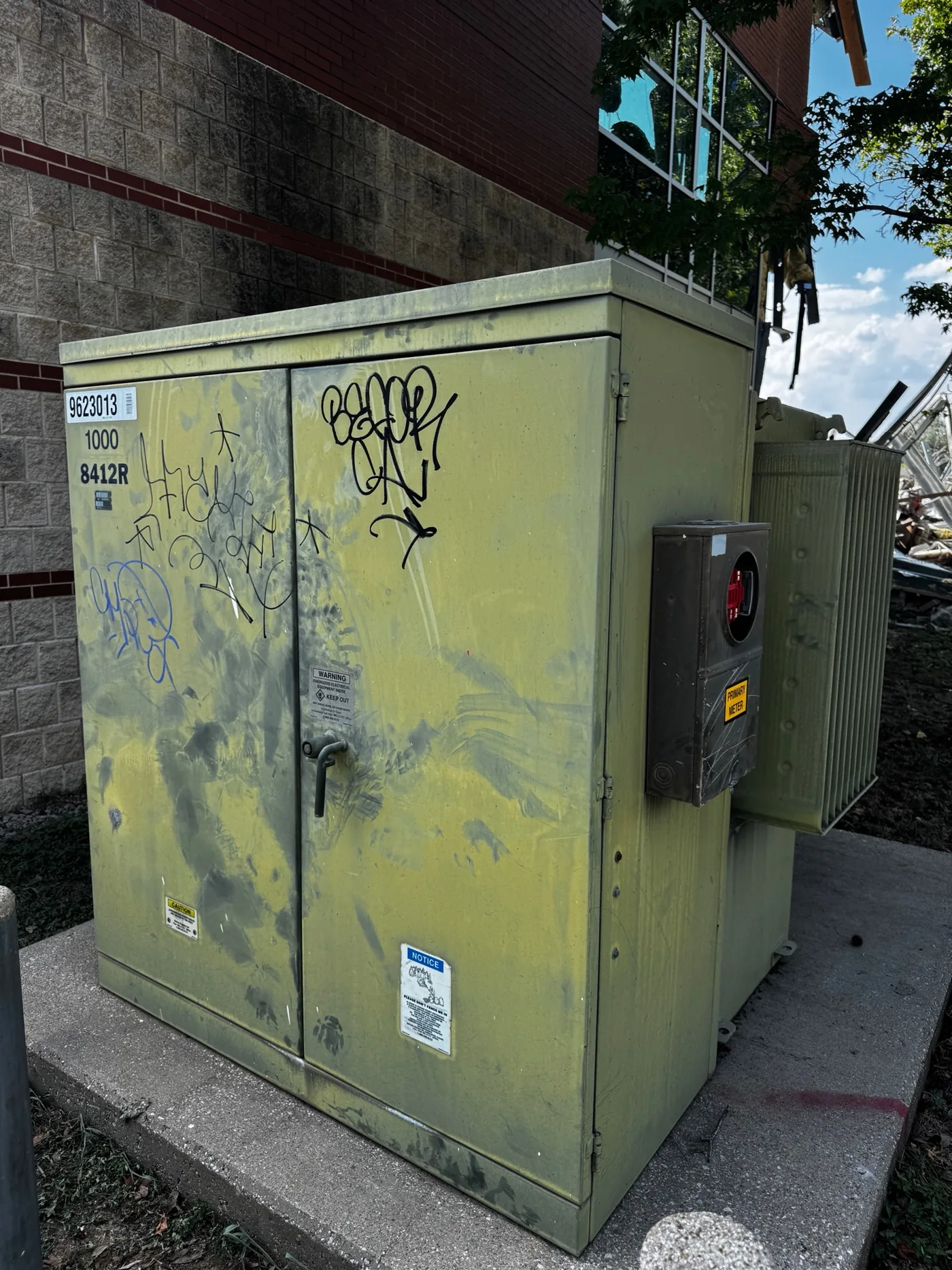
These owner-supplied photographs show complete transformers and visible equipment condition. For your Rhode Island inquiry, send your own full-unit and nameplate photos. The gallery illustrates equipment types, not a local yard or a claim that these units were collected in Rhode Island.
Send your transformer photos


Sell used, surplus and scrap transformers in Rhode Island
Recycling Transformers evaluates electrical transformers from contractors, industrial facilities, utilities, property owners and equipment dealers in Rhode Island. Purchase inquiries can include new surplus inventory, removed-working units, inactive spares and failed equipment. Pad-mounted, pole-mounted, dry-type, power and substation transformers need different evaluations, so identify the equipment rather than treating every unit as mixed scrap. A complete transformer may have reuse or component value as well as recoverable metal. Tell us whether you are selling one unit, clearing a storage yard or releasing equipment from a larger project. The review considers both the asset and what it will take to collect it.
Start with a readable nameplate photo and two or three photographs of the complete transformer. Include quantity, known condition and the Rhode Island pickup ZIP. If available, share manufacturer, kVA or MVA rating, primary and secondary voltage, phase, dimensions, weight and existing test records. For liquid-filled units, include known fluid information and PCB documentation; use “unknown” where records are missing. Describe whether the unit is disconnected, who owns it and whether loading equipment is available. You do not need to have every technical answer before contacting us. Existing photographs and records are enough to begin a conversation without opening or moving equipment.
Rhode Island environmental context makes records material
Rhode Island DEM’s hazardous-waste program evaluates businesses that generate hazardous waste and facilities involved in transfer or storage. DEM also publishes hazardous-waste transporter and manifest resources. Its rules identify PCB waste at 50 parts per million or greater as Rhode Island waste code R007 and state that it is also subject to federal TSCA requirements in 40 CFR Part 761. Those official sources make existing transformer and fluid records a material project-review consideration. They do not allow this page or RecyclingTransformers.com to classify a unit or decide its regulatory status.
Federal PCB rules add context when documentation is incomplete. 40 CFR Part 761 sets assumptions for some electrical equipment based on manufacture date, dielectric fluid, and whether PCB concentration has been established; the assumptions can differ by equipment type. An oil-filled transformer therefore should not be treated as interchangeable metal simply because it is retired. Existing labels, dates, service documents, and credible reports may affect the questions raised. RecyclingTransformers.com provides no legal advice, testing, certification, hazardous-waste determination, PCB determination, or compliance approval.
Rhode Island logistics are a route-and-site review question
Rhode Island’s official freight-planning page describes a multimodal network rather than a single transport answer. It identifies I-95, I-295, Route 4, and Route 146 as principal north-south truck corridors, with I-195, Route 6, and Route 44 serving east-west truck movement. The state also identifies the Amtrak Northeast Corridor as its main rail freight corridor and Narragansett Bay access through the Port of Davisville at Quonset and the Port of Providence. These facts orient a transformer project, but do not establish that a unit can be collected, routed, permitted, loaded, or received.
Actual feasibility remains project-specific. Equipment size and weight, origin and destination, property entry, staging information, clearance concerns, schedule, carrier availability, and applicable public-agency requirements can alter options. The freight plan also notes rail connections to national and Canadian networks through interchanges in Massachusetts, Connecticut, and New York; that is context, not a transportation promise. RecyclingTransformers.com does not perform route engineering, arrange rigging, guarantee pickup, or guarantee permitting, transportation, or coverage. Those issues need review by appropriately qualified parties when they apply.
Selling and recycling are different decisions, not automatic outcomes
A Rhode Island inquiry to sell transformers may lead to potential reuse, parts value, material recovery, or no available commercial path. Nameplate information, documented condition, completeness, unit type, quantity, available history, environmental records, timing, and logistics can change the decision. Recoverable metal content alone does not prove a unit is purchaseable, reusable, or appropriate for a particular recycling route. A nationwide project review can separate the asset question from information gaps before a seller assumes a buyer, recycler, carrier, or disposition option is available.
EPA’s PCB framework distinguishes disposal and storage pathways from a simple recycling claim. EPA explains that PCB disposal facilities and commercial PCB storage facilities operate under the federal framework in 40 CFR Part 761, with approvals and facility information available through its program. That context is why the review gives weight to existing records and does not represent every transformer as acceptable to a downstream party. RecyclingTransformers.com does not select a legal disposition, designate a facility, or promise that a purchaser, recycler, transporter, or approved endpoint will be available. Outcomes remain case-specific.
Request a transformer purchase evaluation in Rhode Island
Include the actual equipment location when requesting a Rhode Island evaluation. Regional references in this guide include Greater Providence, Pawtucket–Central Falls, Warwick–Cranston, Woonsocket–Blackstone Valley, Newport County and Aquidneck Island, East Bay, South County. The pickup ZIP and access details are more useful than a city name alone. A facility yard, basement, equipment vault or substation can require very different loading arrangements. Tell us whether a gate, doorway, overhead obstruction or soft ground limits access, and provide documented dimensions and weight when available. For units still in service, include the expected release window and the authorized site contact. These facts let equipment value and collection requirements be considered together before a transaction is confirmed.
Call Recycling Transformers or send your equipment details through the simple inquiry form. For a single transformer, share your contact number, the Rhode Island pickup ZIP and available photographs. For a lot, number each unit and match its nameplate image to the inventory list. We review rating, condition, reuse or recovery potential, fluid records and collection requirements. Any offer should identify the equipment included, inspection conditions, payment terms, loading responsibility and freight arrangements before release. Purchase and pickup depend on that confirmed scope. Keep the transformer intact and let qualified electrical, environmental and lifting professionals handle any work the site requires.
Sell your electrical equipment
All transformer buyer information Get buyer information for your transformer type

Pad-mounted transformer buyers
Cabinet condition, voltage, fluid records and pickup from the equipment pad.
See what to sendDry-type transformer buyers
Nameplate ratings, condition, enclosure and indoor loading access.
See what to send
Scrap transformer buyers
Failed units, intact equipment, recoverable materials and collection costs.
See what to sendOfficial references
Rhode Island environmental and transport resources
These sources explain the state-specific context below. Qualified professionals should confirm requirements for the actual equipment and site.
Rhode Island DEM — Hazardous WasteOfficial program context for hazardous-waste generator oversight, transfer and storage evaluations, transporter resources, and manifest information.Rhode Island DEM — Hazardous Waste and Used Oil TopicsOfficial state resources on hazardous-waste transportation, manifests, storage and treatment facility questions, and used-oil compliance assistance.Rhode Island DEM — Rules and Regulations for Hazardous Waste ManagementOfficial Rhode Island hazardous-waste rule text, including R007 PCB-waste language and its reference to TSCA and 40 CFR Part 761.Rhode Island Division of Statewide Planning — Freight PlanningOfficial statewide multimodal freight context, including principal truck, rail, and marine freight corridors and network connections.eCFR — 40 CFR Part 761, Polychlorinated BiphenylsCurrent federal PCB rules covering equipment assumptions, use conditions, storage, and disposal requirements.
Seller questions
Before selling a transformer in Rhode Island
Start with existing photographs and records. Do not open, drain, disconnect or move equipment just to obtain a quote.
Can I sell used or scrap transformers in Rhode Island?
Send used, surplus, failed or scrap electrical transformers for a purchase evaluation. Include nameplate photos, quantity, condition and pickup ZIP. We compare reuse or recovery potential with fluid records and loading requirements, then discuss purchase and collection options for equipment that qualifies.
Can a Rhode Island transformer inquiry be reviewed when existing PCB or fluid documentation is incomplete?
Yes. A review can begin with the records already available, such as exterior nameplate information, prior service documentation, or existing laboratory reports. Missing records may limit the options that can be evaluated and can leave important questions unresolved. The review does not test or classify equipment, determine hazardous-waste or PCB status, make a legal determination, or replace the responsibilities of the project’s owner or other qualified parties.
What determines transformer pickup availability in Rhode Island?
Pickup planning considers the transformer rating, condition, quantity, location, documented weight, dimensions and loading access. Describe the route to the truck and any required electrical or fluid work. Purchase terms, loading responsibility, freight and timing must be confirmed before release; an inquiry alone is not a pickup commitment.
Why does Rhode Island freight context matter to a transformer project?
The state recognizes truck, rail, and marine components of its freight network, including specified highway corridors and Narragansett Bay ports. That background can help frame a project, but it does not prove that a route, permit, carrier, pickup, or site operation is feasible. Individual project planning depends on actual equipment and site facts, current conditions, and arrangements made by appropriately qualified parties.
Nationwide transformer buyers
View all 50 states and DC Choose another equipment location
Start with the facts
Have transformers to sell in Rhode Island?
Send your name, phone number, pickup ZIP and available photos. We will review purchase, recycling and collection options for your equipment.