14.4 / 25 kV; 600 A
Air-insulated examples: 600 A main bus and Mini-Rupter switches; preserve assembly voltage markings.
We buy eligible pad-mounted switchgear. Send the model, configuration and existing records.
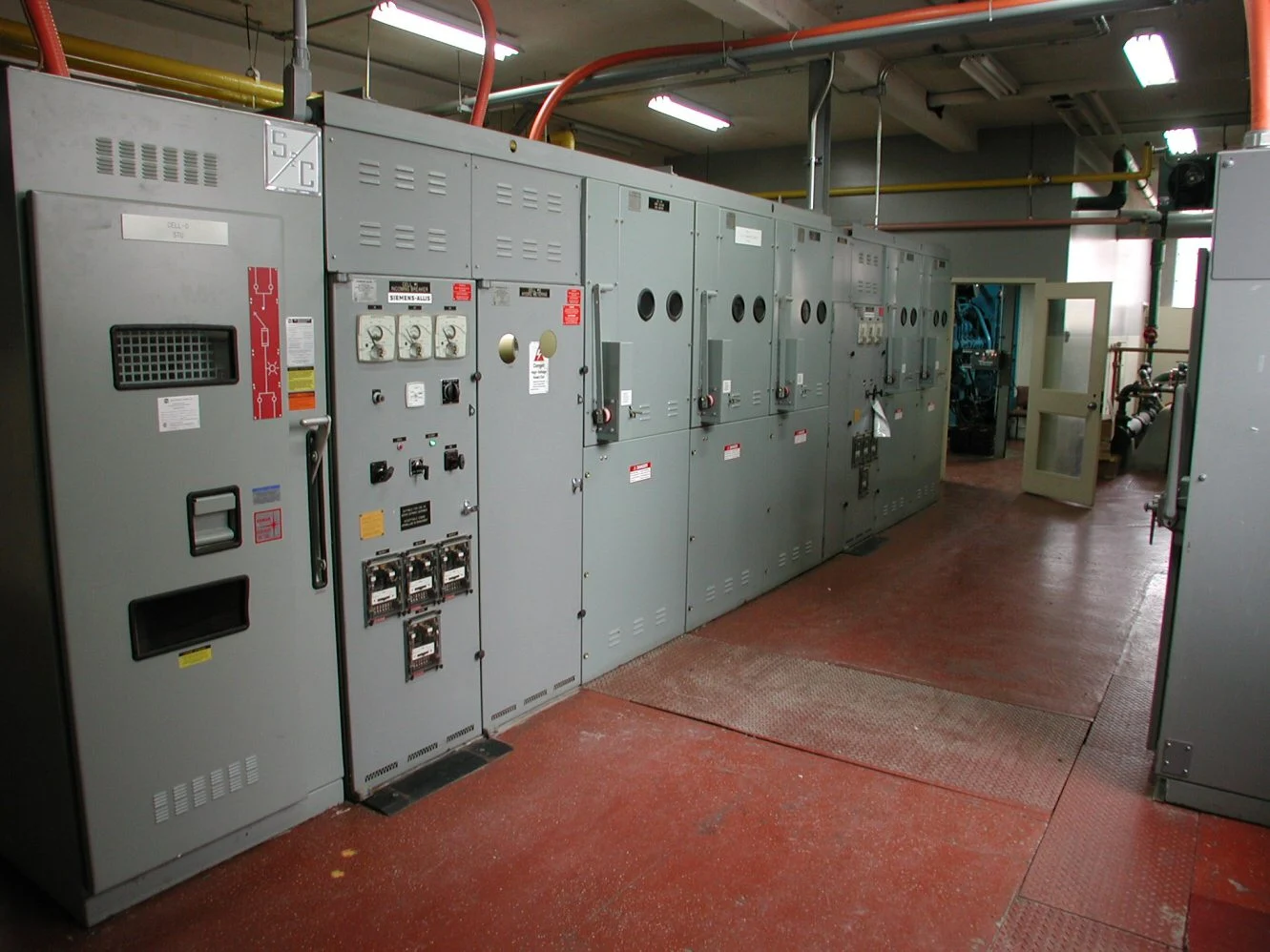
Nameplate, condition, included gear and pickup ZIP.
Equipment identification, value and agreed terms.
Preparation, loading and freight for accepted equipment.
These are manufacturer examples for identification—not a blanket list of interchangeable ratings or guaranteed purchase acceptance.
We buy pad-mounted switchgear from sellers with surplus project equipment, retired customer-owned units or complete removals. These outdoor assemblies switch and protect underground distribution circuits serving utility networks and customer facilities. Describe the unit as a whole before separating its components: the cabinet, switching arrangement and available documentation belong together in the purchase review.
This page concerns distribution switchgear, not pad-mounted transformers or indoor metal-clad breaker lineups. A cabinet standing on a concrete pad does not identify its electrical function. Use the manufacturer's model and equipment description to establish what you have. Purchase eligibility depends on the actual configuration, condition and demand, rather than the enclosure's appearance alone.
A way is an individual circuit connection and its associated switching or protective equipment. Source ways connect incoming or loop distribution circuits; load ways serve outgoing circuits. Record each way's function from the one-line diagram or circuit schedule. A four-way unit is not necessarily four identical switches, and its circuit count alone cannot establish its protective arrangement.
Tell us which ways contain load-interrupter switches, fuse circuits or controlled fault interrupters. Load switching and fault interruption are different duties. A load switch's continuous-current rating does not establish a fault-interrupting capability. Include existing fuse information, controller identification and the manufacturer's arrangement number when available, so the purchase review reflects the supplied equipment rather than an assumed layout.
S&C's PMH descriptive bulletin identifies air-insulated pad-mounted gear at 14.4 and 25 kV, with a 600 A continuous main bus and 600 A Mini-Rupter load switches. It also describes 200 or 400 A fuse-circuit switching variants. Report those fuse-way details separately; a 600 A bus does not make every fuse circuit a 600 A circuit.
Voltage markings also deserve separate fields. The Mini-Rupter specification lists 14.4 kV nominal with 17.5 kV maximum, and 25 kV nominal with 29 kV maximum. Those component values should not replace the complete assembly's rating: fuse and unit maximum-voltage ratings can differ. Send the printed assembly information and the model-specific records instead of rounding everything to a familiar voltage class.
S&C's Vista and Vista Green specification identifies system classes of 15.5, 27 and 38 kV, with corresponding maximum voltages of 15.5, 29 and 38 kV. The standard main bus is 600 A; a specified optional copper bus is 1,200 A. These are manufacturer configuration examples, not interchangeable ratings for every Vista unit offered for sale.
The individual ways have their own current ratings. Standard load-switch ways are generally 600 A, while specified models offer 900 A options. Fault-interrupter ways include distinct 200, 600 or 900 A configurations with bushing restrictions. Identify the actual way schedule and connections from records. Neither a larger bus nor the Vista name establishes every way's switching or protective rating.
Air-insulated PMH equipment and sealed gas-insulated Vista equipment need different descriptions in a sale inquiry. Standard Vista uses SF6 insulating gas, while Vista Green uses a CO2/C4-FN mixture. State the exact family and known insulating medium from labels or maintenance documents. Do not infer gas type from cabinet size, finish or mounting style.
Vacuum interruption does not mean the assembly is vacuum-insulated. Some Vista variants use vacuum fault interrupters within gas-insulated equipment; the interrupter extinguishes the arc while the insulating medium serves another function. Include any documented gas status, leak history or related service concerns. Leave unknown information marked unknown, and do not manipulate a sealed tank or gas fittings to obtain sale details.
Deadfront and livefront describe connection and access arrangements, not the equipment's ownership or present operating status. Use the catalog number, drawings and existing photographs to identify the construction. Deadfront equipment uses shielded connection arrangements; livefront designs have exposed primary components within the enclosure. Neither designation makes cabinet access appropriate for an unqualified seller gathering information.
Submit photographs already available, along with readable nameplate images and circuit schedules. Do not open compartments, remove covers, operate switches or handle cable connections for a purchase inquiry. If identification requires access, qualified electrical personnel must follow the site's safety procedures. An exterior photograph can establish enclosure condition without requiring an internal inspection at the initial inquiry stage.
Describe whether the unit is unused surplus, previously installed, removed from service or an incomplete parts lot. Note enclosure corrosion, damaged doors, missing locks, water entry and contamination documented in existing reports or photographs. Disclose flooding, fire exposure, known faults and alterations. A clean exterior should not be presented as proof of internal condition or service readiness.
Available maintenance records help explain what is included and what remains uncertain. Identify missing fuses, controllers, operating accessories or other components shown on the original schedule. Preserve documented gas-status information with the equipment description. Complete records can support a more informed offer, but submitting them does not establish acceptance, interchangeability or approval to return the unit to service.
Confirm that your business owns the switchgear or has documented authority to sell it. Equipment serving a customer property may still belong to the utility; being on your premises is not sufficient authorization. Identify the owner and any release documentation before offering a unit removed during a service upgrade, property redevelopment or contractor-led replacement project.
Send the quantity, pickup ZIP, installed or stored status and available dimensions or shipping weights. Describe loading access and what accompanies each unit. We can begin the buying conversation with existing records; electrical isolation, removal, loading, freight and payment responsibilities must be agreed separately. Keep the equipment intact until the accepted sale defines what is included and how it will move.
Send model, voltage, bus amps, way functions, condition, ownership, quantity and pickup ZIP. Use existing photos or records; state installed or stored status.
Use the short form—no extra technical questionnaire. Purchase and collection responsibilities are confirmed for accepted equipment.
Call (951) 903-9804Yes, with ownership or documented selling authority. Customer-site equipment may be utility-owned; confirm any required release.
No. The optional copper bus and individual ways have separate ratings. Send the actual way schedule.
Report 600 A bus and load switches separately from 200 or 400 A fuse-circuit switching variants.
No. Some Vista variants combine vacuum fault interrupters with gas insulation. Identify both from existing records.
Send existing exterior photographs, labels and drawings. Never open or operate equipment for the inquiry; qualified personnel handle necessary access.
Read the actual equipment records alongside the manufacturer references. Brand and product mentions do not imply dealership status or endorsement.