Walk-in / non-walk-in
Siemens WL offers NEMA 3R versions of both. Eaton VacClad-W uses outdoor sheltered-aisle and aisleless terminology. Outdoor does not mean pad-mounted.
We buy eligible used and surplus outdoor switchgear nationwide. Offer your weather-enclosed lineup with its manufacturer details, installed equipment, enclosure condition and available shipping records for purchase review.
Nameplate, condition, included gear and pickup ZIP.
Equipment identification, value and agreed terms.
Preparation, loading and freight for accepted equipment.
These are manufacturer examples for identification—not a blanket list of interchangeable ratings or guaranteed purchase acceptance.
We buy eligible outdoor switchgear from sellers across the United States, including previously operated lineups and unused project surplus. Start by identifying the equipment inside the housing and describing the housing itself. A sale might include the complete weather-enclosed assembly, selected shipping sections or gear already separated from its shelter. Those are materially different lots, even when the original electrical ratings match.
Tell us whether the equipment remains connected at a facility, stands disconnected on its foundation or is stored after removal. Provide the location ZIP, section count and expected release date. Identify who owns the lineup and which adjacent equipment is excluded. A nearby transformer, control building or utility metering section should not become part of the offer merely because it appears in an overall photograph.
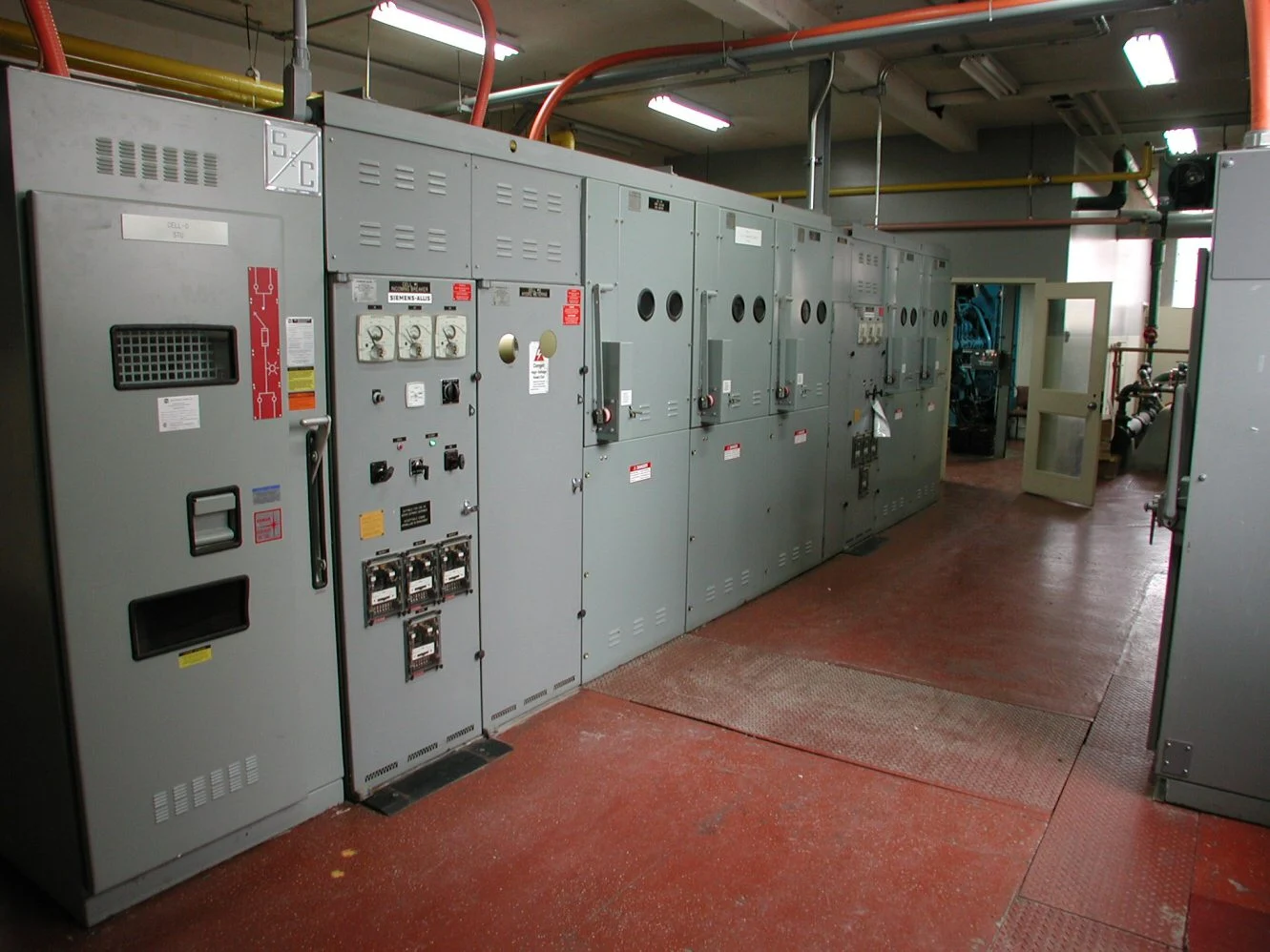
Outdoor describes an enclosure or installation configuration, not one electrical construction type. Siemens WL low-voltage switchgear is offered in walk-in and non-walk-in NEMA 3R housings. Its walk-in version provides a protected service aisle in front of the gear. Eaton's VacClad-W medium-voltage guide distinguishes outdoor sheltered-aisle and outdoor aisleless arrangements. Use the manufacturer's terminology when existing drawings identify the design.
A pad-mounted distribution cabinet is not automatically the same product as either lineup. Preserve its own manufacturer and equipment designation instead of relabeling it as walk-in switchgear. For a larger outdoor assembly, explain whether the aisle, end walls and access doors remain with the electrical sections. Exterior dimensions and layout drawings help establish the configuration without requiring anyone to enter electrical compartments.
A weather-enclosure marking is useful identification, but its meaning has limits. Schneider Electric describes Type 3R as providing a degree of protection against falling rain and external ice formation under specified conditions. It is not watertight. Do not describe a NEMA 3R lineup as waterproof, flood-proof or suitable for pressure washing, and do not treat its original enclosure designation as evidence that damaged housing still performs as intended.
NEMA 3R also does not establish arc resistance. If the assembly has a separate arc-resistant designation, include the original documentation and identify any associated exhaust structures or plenums in the sale. An outdoor roof or sheltered aisle alone does not prove that classification. Describe actual markings rather than assigning protection claims from the enclosure's size, heavy doors or appearance.
Outdoor condition includes more than the paint on the cabinet fronts. Report known roof leaks, storm damage, standing-water exposure and deterioration at the base. Distinguish surface rust visible in existing photographs from documented structural damage or corrosion affecting electrical components. Include dates and locations of repairs when known. A repainted exterior should be described as repainted, not used to imply an undamaged or factory-original enclosure.
Siemens' WL guide describes an outdoor formed-steel base, underside protective coating and shielded ventilation housings. These details explain why base condition and missing weather-protection pieces matter to an outdoor lot. Identify absent panels, damaged ventilation covers or altered cable-entry areas from available records. Disclose flooding explicitly, even if the enclosure later dried; an old operating history does not settle present condition after water exposure.
Preservation history helps explain what happened while the gear stood outdoors or waited in storage. The Siemens WL guide lists space heaters as standard in its outdoor versions and describes additional lighting, receptacles and a load center in the walk-in arrangement. State whether those components remain, and provide any known records of heater outages or loss of auxiliary power during storage. Do not assume installed heaters were operating.
Include documented heater supply details and service notes if available, but do not energize heaters to demonstrate condition for a sale. Identify missing aisle lights, damaged access-door hardware and removed accessory equipment separately from breaker defects. These items belong to the enclosure inventory. Their presence does not establish that the switchgear is ready for reconnection, and their absence should not be hidden by describing only the main electrical sections.
Weather housing does not create a common outdoor voltage or ampere range. A Siemens WL lineup may serve a 480 or 600 V nominal system while its specified non-fused design carries a 635 V maximum rating. Eaton's VacClad-W 5–15 kV family includes outdoor arrangements with 4.76 and 15 kV maximum-voltage examples. Record the equipment maximum separately from known operating voltage rather than inferring either from the shelter.
Keep assembly bus amperes separate from installed breaker continuous current, frame size, rating plug and trip settings. For example, Siemens publishes WL bus options from 1,600 through 6,000 A, while Eaton lists 1,200, 2,000 and 3,000 A VacClad-W current examples with configuration-specific higher-current cooling. For fault ratings, retain the kA value, voltage and rating type. A time-qualified withstand rating also needs its duration; it is not a breaker interrupting rating.
Use the original arrangement drawing to identify main, tie, feeder and auxiliary sections. Note which breakers, protection relays, meters and control-power equipment are included. Identify any documented grounding bus, grounding accessories or dedicated grounding sections, and whether their associated parts remain with the lot. Do not advertise a collection of disconnected cabinets as a complete lineup unless the inventory supports that description.
When the enclosure has been split for transport, account for roof pieces, aisle panels, end closures and labeled connection hardware held separately. Keep loose parts associated with their original section identifiers. Existing packing lists can reveal items that are missing from current storage photographs. Similar-looking panels or breakers from another lineup should have their own inventory, not be presented as compatible replacements without model-specific supporting records.
Useful initial records include nameplate images already on file, purchase documents, enclosure layout drawings and dated maintenance reports. Match reports to the offered assembly using serial or project identifiers. Explain any period of outdoor storage after the last inspection and distinguish equipment removed after service from unused stock. A dated test result documents that event, not the gear's current readiness for another installation.
Never open energized compartments, remove covers, rack breakers or operate equipment to collect sales information. Use exterior photographs only when they can be obtained safely under site rules. Electrical isolation and inspections requiring access belong to qualified personnel following the site's procedures. Send the records available now and identify missing information rather than attempting an unsafe inspection to complete an inquiry.
Provide overall housing dimensions as well as dimensions of the documented shipping splits. Internal frame depth is not total outdoor enclosure depth; an aisle and weather housing add space. Use order-specific drawings and recorded weights when available, and label estimates as estimates. Explain foundation anchoring, loading access and any separate enclosure pieces. Manufacturer catalog dimensions alone are not a verified lifting or transport plan for your lot.
Agree who handles electrical disconnection, enclosure preparation, rigging, loading and freight before comparing purchase proposals. State whether the intended sale includes the shelter and all identified accessories. Demand, condition, completeness and transfer costs affect the net transaction; neither bus amperage nor gross weight produces a fixed price. Record payment terms, exclusions and handover responsibilities in the agreement so the equipment scope and removal work are not confused.
Describe your outdoor lineup and walk-in or non-walk-in housing. Add manufacturer/model, voltage labels, bus amps, included sections and breakers, roof/base condition, known water exposure and heater history, installed or removed status, location ZIP, shipping dimensions and loading scope. Use existing nameplate photos and records; never access energized compartments for this inquiry.
Use the short form—no extra technical questionnaire. Purchase and collection responsibilities are confirmed for accepted equipment.
Call (951) 903-9804No. Outdoor describes an installation or enclosure arrangement. Weather-enclosed walk-in or aisleless lineups and pad-mounted distribution units retain their own equipment classifications. Send the original manufacturer designation and enclosure drawing so the lot is reviewed under the correct description.
Yes, you can submit those sections for review, but identify the missing shelter clearly. List any remaining roof, aisle, base and end-wall pieces separately. Do not describe stripped sections as a complete outdoor assembly or assume they retain the original enclosure protection.
Mark heater operation as unknown and provide the storage dates and available auxiliary-power or maintenance records. Identify heaters that are documented as missing or defective. Do not energize stored equipment or open compartments merely to check heaters for the inquiry.
No. Type 3R is not a watertight or flood-proof designation. Disclose the water exposure, approximate date and available assessment records. Drying or exterior cleaning does not establish present electrical condition or make an old maintenance report a current clearance for service.
Send the total outdoor housing dimensions and the documented dimensions of each shipping split, including aisle or enclosure pieces included in the sale. Label whether weights include breakers and accessories. This information helps define freight and loading scope; transport arrangements and responsibilities still need agreement.
Read the actual equipment records alongside the manufacturer references. Brand and product mentions do not imply dealership status or endorsement.