600 / 1,200 A at 5–15 kV
Published continuous and load-interrupting switch ratings. These switches do not interrupt fault current; power fuses provide short-circuit interruption in fused assemblies.
We buy eligible metal-enclosed load-interrupter switchgear, including Eaton MVS and Square D HVL or HVL/cc equipment. Describe the actual switches, fuse assemblies and included sections so we can evaluate a complete lineup, unused upgrade gear or a clearly identified incomplete lot.
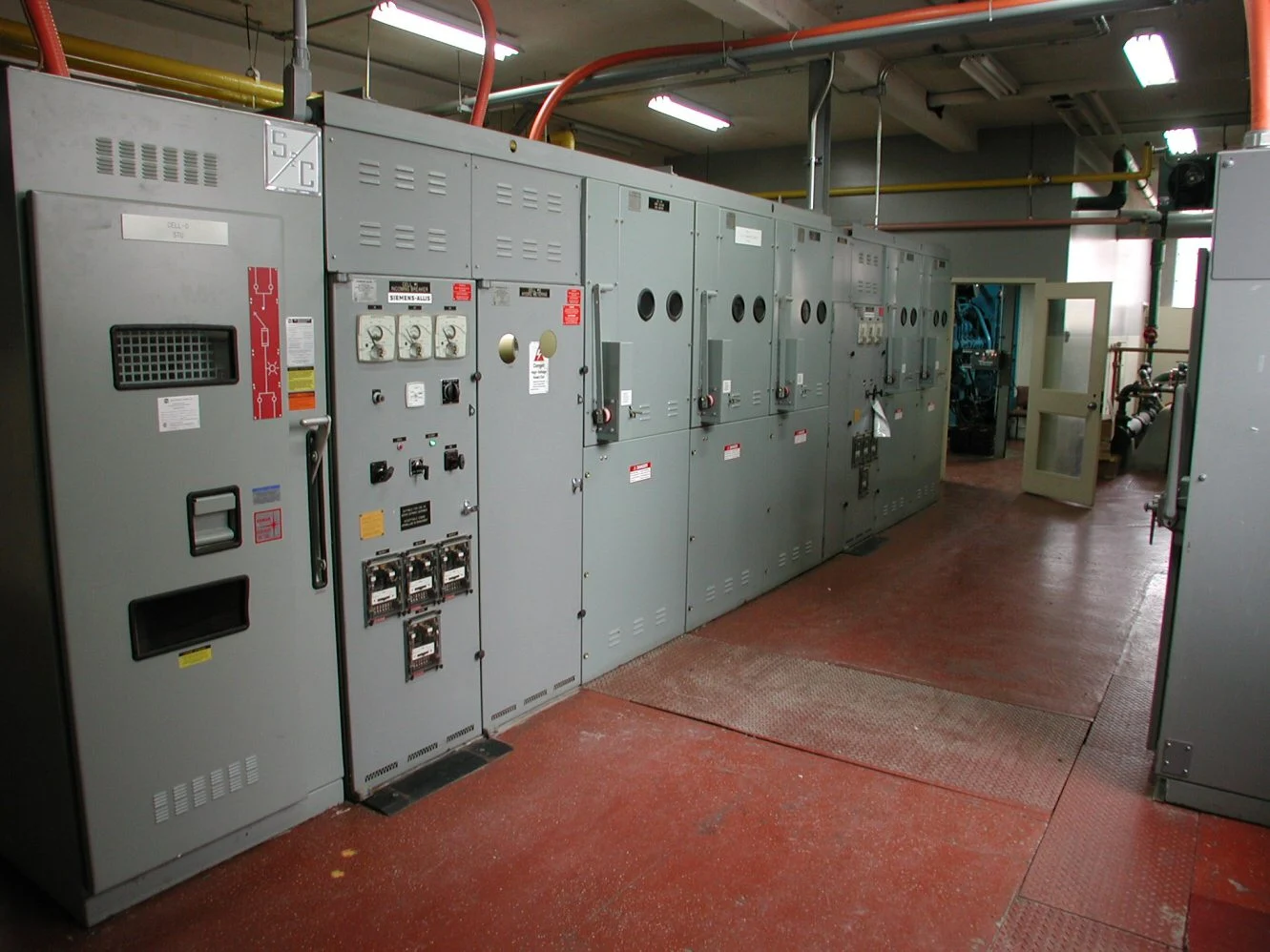
Nameplate, condition, included gear and pickup ZIP.
Equipment identification, value and agreed terms.
Preparation, loading and freight for accepted equipment.
These are manufacturer examples for identification—not a blanket list of interchangeable ratings or guaranteed purchase acceptance.
We buy eligible load-interrupter switchgear from surplus inventories and equipment replacement projects. This page focuses on metal-enclosed medium-voltage assemblies such as Eaton MVS and Square D HVL or HVL/cc, particularly fused configurations. A useful description identifies the switch sections and their protective fuse arrangements rather than calling the whole lot medium-voltage cabinets.
These assemblies are distinct from metal-clad lineups built around drawout vacuum circuit breakers. They are also distinct from pad-mounted distribution equipment, even when both use load switches and fuses. An outdoor enclosure does not by itself make an MVS or HVL lineup pad-mounted gear. Use the manufacturer's designation when the installation style is unclear.
Single sections, transformer-feeder assemblies and multi-section lots can be submitted for review. State whether the package includes incoming switches, fused feeders or spare units. An inquiry establishes the equipment scope; purchase eligibility still depends on the specific lot.
An upgrade can leave unused switches in storage after the final design changes. Separate never-installed surplus from equipment that was installed but never energized. Include purchase records or original drawings if available, and explain whether the order arrived as a complete lineup or as separate shipping sections. Unused does not necessarily mean complete or undamaged.
Intact fuseholders, mounting hardware and compartment barriers help describe what remains with the assembly. List missing fuse units, empty fuse positions and loose accessories rather than treating every cabinet as fully furnished. Keep identifiable parts grouped with their original sections while the sale scope is being evaluated; do not dismantle equipment simply to prepare an inquiry.
If fuses were ordered separately or never delivered, say so. Where existing records identify spare fuse units or replacement mountings, include their quantities and catalog numbers. Loose parts should not be represented as installed or verified-compatible components.
Eaton's MVS 5–15 kV design guide identifies 600 A and 1,200 A continuous and load-interrupting switch ratings. Its main-bus table includes 600 A and 1,200 A arrangements, plus a 2,000 A option at 4.76 kV. The guide's 15 kV bus rows extend through 1,200 A. These values describe different components, not one interchangeable equipment-size range.
A section described as 2,000 A MVS therefore needs clarification: that number may identify the bus rather than the switching device. Send the assembly rating alongside the switch rating when both are documented. For older MVS equipment, preserve the actual catalog and nameplate information instead of applying a later guide's range to every legacy section.
The MVS load switch is not designed or tested to interrupt fault currents. In a fused assembly, the power fuses provide short-circuit interruption. Identify the installed fuse arrangement independently of the switch's load-interrupting amperes.
Schneider Electric describes traditional HVL as air-insulated load-interrupter switchgear with power fuses. Its HVL product page uses the marketing description up to 1,200 A at 38 kV. That wording identifies the HVL offering; it does not establish that every HVL assembly has those ratings or that HVL/cc shares the same combinations.
The HVL/cc guide lists 600 A and 1,200 A continuous and load-interruption ratings at 5.5 kV and 17.5 kV maximum design voltage. At 25.8 kV and 38 kV maximum, it lists 600 A. Its main buses are listed at 600 A and 1,200 A, but a bus rating alone cannot establish the current capability of a fused feeder.
Include the exact HVL or HVL/cc identification from existing records. The guide explains that the lowest-capacity component, including the bus, switch, fuse, mounting or connection, determines overall continuous-current capability. A higher-rated component cannot erase another component's limit.
A usable fuse description includes the manufacturer, catalog designation, fuse type, voltage rating and current rating where those details are already documented. Note whether the assembly uses current-limiting or another specified power-fuse design. Do not infer a fuse's identity from the cabinet brand, its apparent dimensions or a handwritten amperage label.
Fuse compatibility also involves the mounting and connection arrangement. Existing parts lists can identify fuseholders, clips, adapters and associated hardware more reliably than a general statement that the gear takes medium-voltage fuses. Similar voltage and ampere markings do not prove that a replacement unit fits the mounting or provides the required protection.
Describe installed fuses, spare fuses and missing units separately. We can review incomplete equipment without assuming replacement parts are available. Missing barriers or damaged holders belong in the condition disclosure, not in a promise that the lineup needs only new fuses.
Record the nominal system voltage separately from equipment class and maximum design voltage. For example, the HVL/cc guide pairs a 4.16 kV nominal system with 5.5 kV maximum-design equipment. Preserve the printed values rather than rounding every metal-enclosed assembly into a 5, 15, 27 or 38 kV label.
A short-circuit current rating, or SCCR, concerns fault duty, not continuous load amperes. In fused equipment, the integrated short-circuit rating depends on the specified fuse and voltage. Send the complete documented rating rather than attributing a fuse's individual interrupting capability to the whole lineup.
Eaton's non-fused MVS table lists 25 or 38 kA rms symmetrical two-second withstand, separately from 40 or 61 kA rms asymmetrical fault-close/momentary duty. Those are not fault-interruption ratings for the load switch. Keep the current basis, duty description and any stated duration attached to the number.
A warehouse lot may combine unused feeder sections, retired incoming switches and incomplete units reserved for parts. Give quantities by condition instead of assigning one condition to the entire shipment. Identify corrosion, water exposure, damaged enclosures, alterations and known operating issues. Explain which loose components belong to which sections when that relationship is documented.
Existing one-line drawings, section schedules and maintenance or test reports can help identify the arrangement. Their dates matter: a historical report does not establish today's condition after storage or removal. If no recent condition evidence exists, describe the equipment as untested rather than implying readiness for service.
Use existing photographs and safely available records. Do not open compartments, remove barriers or operate switches to collect sale information. Any inspection requiring electrical access must be arranged through qualified personnel under the site's safety procedures.
An offer should identify the included sections, fuse units and accessories. Clarify whether it covers the complete lot or selected equipment. Demand, completeness and logistics affect the commercial review; a higher voltage or bus rating is not a pricing formula. Describe storage location, shipping splits and documented dimensions or weights when known.
Compare the amount payable with the agreed costs of inspection, packaging, loading and freight. Confirm who supplies transport and whether any charges are deducted from the offer. Collection arrangements depend on the equipment and location; submitting a lot does not create a free-pickup commitment.
Agree on payment timing, inspection conditions and responsibility for equipment that remains installed. Electrical isolation and removal are separate site responsibilities, not services implied by a purchase inquiry. A defined handover condition helps both sides understand what must be ready before collection.
Describe MVS, HVL or HVL/cc series, section count, bus and switch amps, printed voltage ratings, documented fuse type and rating, included mountings and barriers, missing units, condition and pickup ZIP. Use existing photos or records only; mark unavailable details unknown.
Use the short form—no extra technical questionnaire. Purchase and collection responsibilities are confirmed for accepted equipment.
Call (951) 903-9804Yes, submit it for review and state that the fuse units are missing. Identify the section and any documented fuseholders, mountings or barriers still included. An incomplete section is evaluated as described; acceptance does not assume that suitable replacement fuses are available.
No. Eaton's cited 5–15 kV MVS guide lists 600 A and 1,200 A load switches and a separate 2,000 A main-bus option at 4.76 kV. Report bus and switch ratings independently rather than assigning the bus value to every device.
No. The HVL marketing range is not a blanket HVL/cc specification. The HVL/cc guide lists 600 A switches at 38 kV maximum design, with 1,200 A switch ratings listed at 5.5 and 17.5 kV maximum. Use your actual assembly documentation.
No. Fuse type, voltage, catalog identity and the mounting and connection arrangement matter alongside current rating. List loose fuses separately with available identifying records. Matching amperes alone does not establish fit, protective performance or an assembly rating.
The offer should define the equipment and accessories included, any condition requirements, payment timing, and responsibility for packaging, loading and freight. Confirm deductions and the net amount payable. Missing parts should be disclosed before acceptance rather than left to discovery at collection.
Read the actual equipment records alongside the manufacturer references. Brand and product mentions do not imply dealership status or endorsement.