34.5 kV line-to-line example
A nominal-system example associated with 38 kV equipment. Preserve the actual operating voltage separately from the equipment class and maximum rating.
We buy eligible used and surplus 38 kV switchgear nationwide. Submit your metal-clad lineup, fused load-switch assembly or identified distribution unit with its actual ratings, included equipment and condition.
Nameplate, condition, included gear and pickup ZIP.
Equipment identification, value and agreed terms.
Preparation, loading and freight for accepted equipment.
These are manufacturer examples for identification—not a blanket list of interchangeable ratings or guaranteed purchase acceptance.
We buy eligible used and surplus 38 kV switchgear across the United States. Offer a complete substation lineup, project surplus or removed sections with a clear account of what you own and want to sell. A lot described as equipment from a 34.5 kV system should still include the manufacturer's equipment ratings. The system description alone leaves too much uncertainty about the assembly being offered.
Start with the manufacturer, product family and section count. Identify whether the lot uses drawout vacuum circuit breakers, fused load-interrupter switches or a sealed distribution tank. Include the location ZIP, installed or removed status and availability date. Separate spare breakers from installed devices so the initial purchase review reflects the actual inventory.
A 34.5 kV nominal line-to-line system is a useful identification example for 38 kV class equipment, not another way of stating every rating on its label. Schneider's application information pairs 34.5 kV nominal operation with 38 kV maximum design. Report both when existing facility and equipment records provide them. Do not substitute an IEC voltage designation or infer the operating voltage solely from the cabinet's maximum marking.
Insulation ratings add another separate identifier. Eaton's September 2021 VacClad-W guide lists 38 kV rms maximum voltage and 150 kV peak basic impulse insulation level, or BIL. That impulse-withstand value is not continuous operating voltage. Retain the exact BIL and power-frequency withstand markings from the offered equipment's records rather than assigning a rating from a general catalog to an unidentified older lineup.
At this voltage, cooling arrangements can be important to the sale description. Eaton's standard 38 kV assembly table lists 1,200, 2,000 and 2,500 A main-bus continuous ratings. The same guide discusses a 3,000 A application requiring forced-air cooling of the breaker. ABB Advance also identifies forced-air cooling for 3,000 A at 38 kV, separately from its 4,000 A applications through 15 kV.
Describe the installed fans, associated controls and documented cooling configuration when offering high-current gear. Disclose missing or disconnected cooling equipment instead of presenting the catalog's highest current as an unconditional capability. Keep the assembly bus current separate from each breaker's continuous current. An older frame designation, relay pickup setting or largest feeder label does not establish the lineup's continuous rating, and a relay setting is not a breaker frame rating.
A 38 kV fused load-switch assembly should not be described as a vacuum-breaker metal-clad lineup. Schneider's HVL/cc technical table specifies 600 A continuous and load-interrupting switch current at 38 kV maximum design. Its guide separately describes 600 and 1,200 A main-bus options. Bus capacity therefore cannot be used to claim that a 38 kV HVL/cc switch interrupts 1,200 A of load.
The separate HVL product page advertises its family up to 1,200 A at 38 kV; that wording does not change the HVL/cc technical table. Supply the exact family and catalog identification, switch rating, installed fuse details and available assembly rating. Fuses provide short-circuit protection in these arrangements. A switch's load-interrupting amperes, fault-close duty and an integrated fused short-circuit rating describe different capabilities and should remain separate in your inventory.
S&C Vista is another distinct equipment category that can appear in a 38 kV sale inquiry. The June 2026 Vista and Vista Green specification lists a 38 kV system class and 38 kV maximum, with a standard 600 A main bus. An optional copper bus raises that bus rating to 1,200 A. It does not turn the unit into a metal-clad breaker lineup or make every individual way a 1,200 A device.
Include the complete catalog number with suffixes, mounting style and the number of load-switch and fault-interrupter ways. Their functions and ratings differ. Identify Vista versus Vista Green from records rather than treating all sealed tanks as identical. Report documented gas or tank problems without opening the tank, disturbing fittings or attempting gas handling for a sales inquiry.
For metal-clad equipment, list each included breaker by model, serial number and original position when known. Retain available control-voltage information for the charging mechanism, close coil and trip circuit. An assembly's 38 kV power rating says nothing about those control supplies. Associated relay models, wiring drawings and current-transformer records help identify a custom protection arrangement, especially when breakers and sections have been separated during removal.
Fault duty also needs its exact label. Eaton's standard 38 kV table includes 16, 25, 31.5 and 40 kA rms symmetrical choices for constant-kA designs and separately states two-second assembly short-time withstand. Component restrictions can shorten that duration. Send the offered unit's interrupting and withstand records with their voltage, units and duration; do not convert a momentary or peak value into symmetrical interrupting duty. Matching numbers alone do not establish breaker interchangeability.
Condition affects interest in a large 38 kV lot alongside model and completeness. Distinguish unused project equipment from a lineup removed after years of operation. State when it was disconnected, how it has been stored and whether shipping covers or packaging remain. Disclose known moisture exposure, damaged insulation, corrosion, overheating and modifications. Do not describe untested stored equipment as ready to energize.
Include dated maintenance and breaker-test reports with identifiers that match the inventory. A historical passing result does not certify present condition. List missing breakers, relays, instrument transformers, cooling parts and operating accessories. Identify loose bus connections or shipping hardware from existing inventory records, and keep those parts associated with their original shipping splits. Incomplete sections need a more precise description than a single overall photograph.
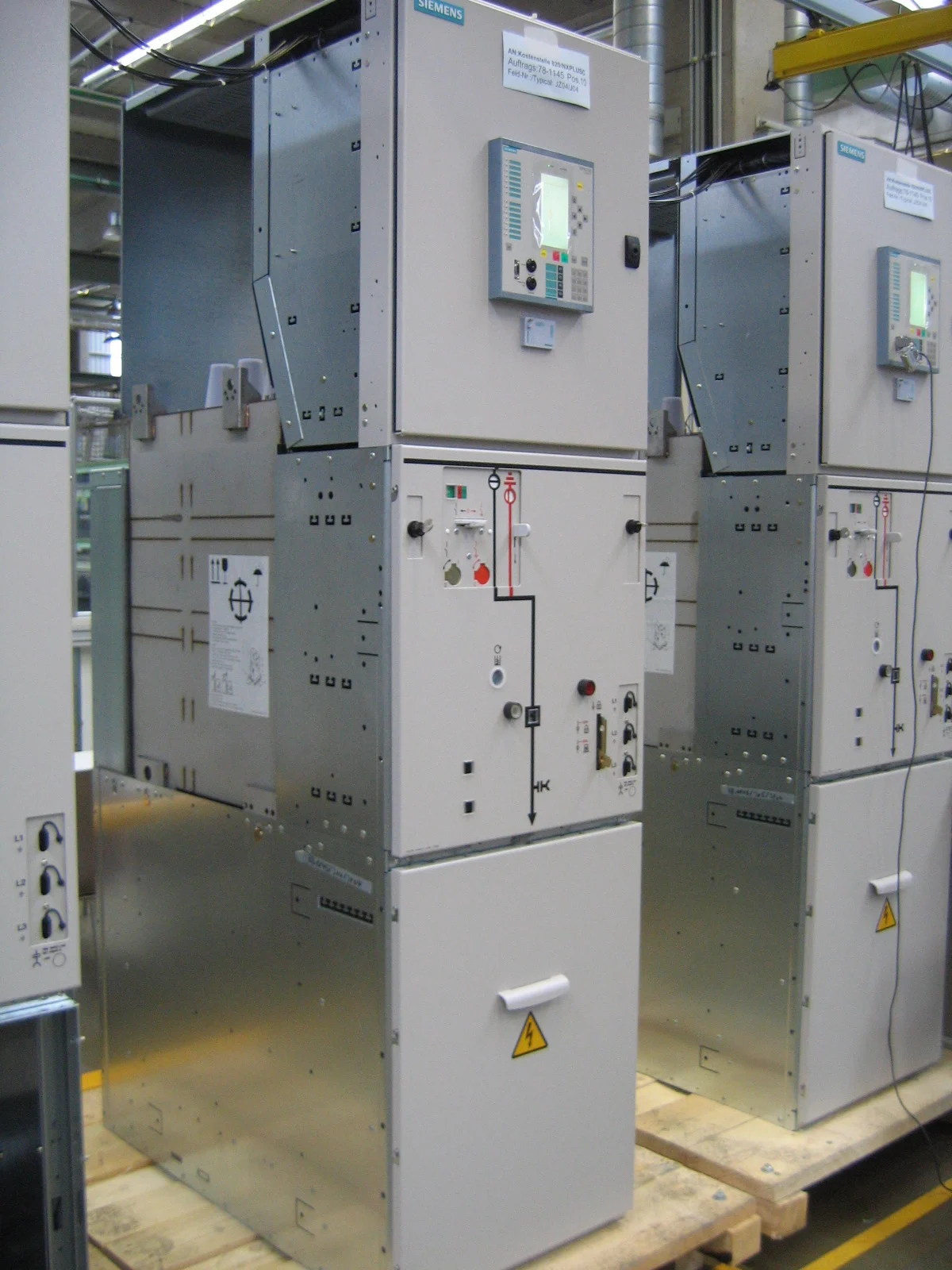
Useful submission material includes an existing one-line diagram, section schedule, factory order documents and readable nameplate photographs already on file. Overall images can establish the enclosure arrangement and section count. Keep drawing revisions and serial references visible so records for another substation are not inadvertently attached to this lot.
Never open energized compartments, rack a breaker, remove barriers or operate a switch to gather sale information. Qualified electrical personnel must manage isolation and any access under site procedures. Send the safe records available now and identify missing information. A purchase inquiry is not a reason to perform electrical testing or disturb sealed equipment.
Provide documented dimensions and weights for the actual shipping assemblies, not a generic 38 kV cabinet estimate. State whether the gear remains anchored, connected or enclosed in an outdoor shelter. Existing layout and shipping drawings can identify separate sections, overhanging equipment and accessories that affect transport planning. Mention loading access and any known site restrictions without assuming that a truck can collect an intact lineup.
Before accepting a proposal, confirm which equipment and loose parts transfer with the sale. Assign responsibility for electrical disconnection, dismantling, preparation, lifting, loading and freight in writing. Include agreed payment terms and any deductions when comparing the net amount to the seller. Complete documentation and realistic handling information support review; voltage class and amperage alone do not determine price or guarantee purchase eligibility.
Describe your 38 kV equipment with manufacturer/family, actual maximum voltage and BIL, known operating voltage, bus and device amps, breaker or way inventory, cooling arrangement, condition and location ZIP. Add existing rating photos, drawings and shipping-split records; never access energized compartments to collect sale information.
Use the short form—no extra technical questionnaire. Purchase and collection responsibilities are confirmed for accepted equipment.
Call (951) 903-9804Provide both with their labels: the known nominal operating-system voltage and the equipment's actual class or maximum rating. A 34.5 kV system is a supported example for 38 kV equipment, but the manufacturer nameplate and records must identify the particular assembly.
Disclose that omission and send the original rating and cooling documentation. Eaton and ABB identify forced-air requirements for specified 3,000 A applications at 38 kV. Do not claim the original high-current capability remains available or assign a replacement rating yourself.
No. Schneider's HVL/cc technical table lists 600 A continuous and load-interrupting switch current at 38 kV maximum. The bus, switch and installed fuse ratings must be reported separately. The different HVL product family's marketing range should not be applied to HVL/cc.
Submit it with the missing relay positions clearly identified. Include available wiring drawings, the remaining breaker inventory and any records of the original protection arrangement. Removal changes the lot's completeness; do not represent the remaining gear as a complete functioning protection system.
Identify each shipping split, its documented dimensions and weight, and the related loose parts. Explain where the pieces are stored and what loading access is available. Confirm preparation, lifting, loading and freight responsibilities in the sale agreement rather than assuming they are included.
Read the actual equipment records alongside the manufacturer references. Brand and product mentions do not imply dealership status or endorsement.