5 kV class / 4.76 kV maximum; 15 kV class / 15 kV maximum
Examples from specified Eaton VCP-W and Siemens GMSG breakers. Known operating-system voltage is a separate field; retain the exact device nameplate rating.
We buy eligible used and surplus medium-voltage vacuum circuit breakers nationwide, including identifiable spare breakers and removed units. Send the complete breaker details, condition and included accessories for purchase review—not just a vacuum bottle number.
Nameplate, condition, included gear and pickup ZIP.
Equipment identification, value and agreed terms.
Preparation, loading and freight for accepted equipment.
These are manufacturer examples for identification—not a blanket list of interchangeable ratings or guaranteed purchase acceptance.
We buy eligible medium-voltage vacuum circuit breakers offered as spare components, surplus stock or units removed from service. A single identified breaker can be submitted without selling the entire switchgear lineup. For a maintenance-store cleanout, separate the inventory by manufacturer, model and quantity so different versions are not treated as one interchangeable lot.
This inquiry concerns the breaker assembly with its operating mechanism and applicable mounting or drawout equipment. Loose vacuum interrupters, sometimes called bottles, are not equivalent to a complete circuit breaker. Say whether the lot consists of complete breakers, incomplete assemblies or separately boxed parts. Include your ownership or authorization to sell and whether any units remain installed.
Copy the full type designation, serial number and catalog or shop-order reference from existing records. An Eaton VCP-W or Siemens GMSG family name is useful, but the rest of the designation matters. Keep each serial number connected to its original switchgear reference, especially when replacement breakers or conversion assemblies have entered the spare inventory over time.
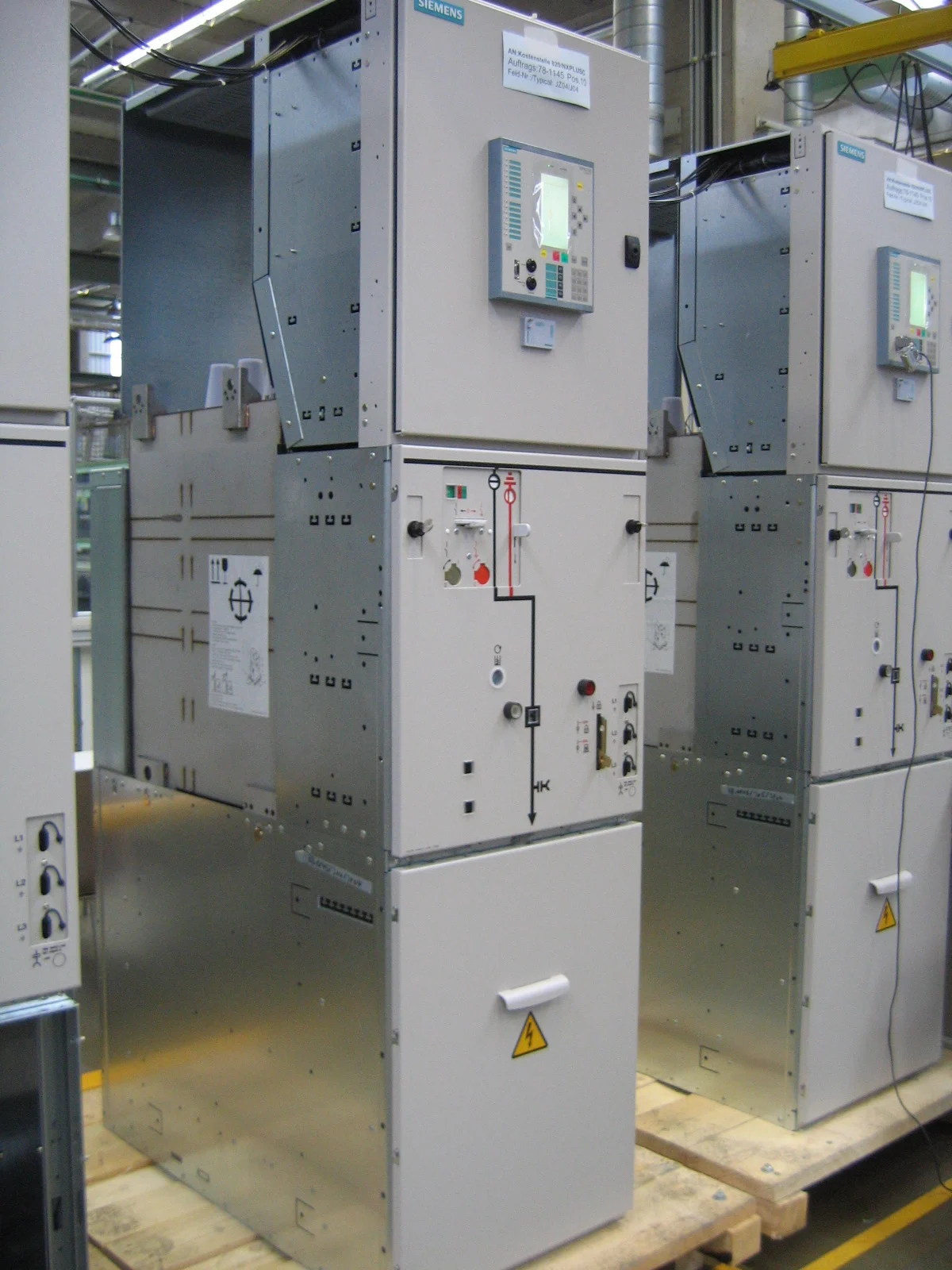
Describe fixed mounting versus drawout construction and any known truck or roll-on-floor version. Existing photographs can show the primary disconnect contacts, often called stabs or finger clusters, and the secondary connector arrangement. Eaton's manual warns that physical coding does not ensure coordinated control wiring. Matching voltage and amps therefore does not prove a spare fits another cell; provide drawings rather than making a compatibility promise.
A seller's shorthand such as 5 kV or 15 kV should be accompanied by the actual breaker rating. Eaton's VCP-W tables include 4.76 kV maximum-rated breakers associated with the 5 kV class and 15 kV maximum-rated models in the 15 kV family. A known 4.16 kV or 13.8 kV operating system describes the former application, not a replacement for the nameplate maximum.
For higher-voltage spares, Siemens documents 27 kV GMSG models, while ABB's ADVAC 38 page identifies a 38 kV class breaker with published capabilities up to 40.5 kV. Preserve the precise product designation instead of relabeling all units to a rounded class. Include basic impulse insulation level, or BIL, and frequency when recorded; neither a class label nor similar dimensions establishes electrical equivalence.
Continuous current belongs to the breaker being sold. Specified Eaton VCP-W and Siemens GMSG designs have 1,200, 2,000 and 3,000 A examples at 5–15 kV. The original lineup's bus current is a separate assembly rating. Do not apply low-voltage frame, rating-plug or trip-setting terminology automatically to these medium-voltage units; send the recorded breaker rating and any separate protection information.
Cooling changes some published duties: Siemens uses a 3,000 A breaker with structure fan cooling for specified 4,000 A applications, and a 2,500 A breaker with fan cooling for 3,000 A at 27 kV. Record that dependency. Also distinguish interrupting kA from continuous amperes and time-qualified withstand. For example, Siemens lists 40 kA symmetrical interruption and a separate 40 kA three-second short-time rating for its 15-GMSG-40.
The mechanism and control circuit can determine whether an otherwise familiar breaker is a useful spare. Identify the mechanism type and the documented spring-charging motor, close-coil and trip-circuit voltages separately. Siemens GMSG control data includes 48, 125 and 250 Vdc examples as well as 120 and 240 Vac arrangements, but not every voltage applies to every control function.
An AC control arrangement may use a capacitor-trip device rather than a direct AC trip coil. Note an undervoltage release, extra trip device or changed secondary wiring when the records identify one. Include the applicable wiring diagram and disclose replacements. Do not energize a motor or coil to answer a sale inquiry; an undocumented control field can remain unknown during the initial review.
Describe whether the breaker retains its mechanism covers, pole assemblies, insulation barriers, primary contact clusters and secondary disconnect components. Mention missing or damaged truck parts and interlock components rather than calling the unit complete from a front photograph alone. Keep loose replacement contacts or coils labeled with their part numbers and associated breaker; resemblance is not enough to identify their intended use.
Operating handles, racking cranks, lifting accessories and test jumpers should have a separate included-or-excluded description. Eaton lists model-specific tools and accessories, so a nearby handle should not be assumed to belong to the offered breaker. A relay mounted in the original switchgear is not automatically included in a spare-breaker sale. Clarify which documents and any original transport packaging transfer with the equipment.
Differentiate unused project surplus from a standby spare that was periodically operated and a breaker removed after years of service. Report known fault interruptions, operating problems, storage exposure and repairs. An existing operation-counter photograph can add context, but a counter reading alone does not establish interrupter condition or remaining service life. Explain any known counter or mechanism replacement alongside the reading.
Dated maintenance records can include vacuum-integrity, insulation, contact-resistance and timing results when those tests were performed by qualified personnel. Preserve the serial number and test date so the results can be matched to the unit. Disclose corrosion, cracked insulation, overheating or water damage since testing. Historical results inform a purchase review; they do not certify present readiness for installation or replace a current condition description.
Use purchasing records, stored drawings and photographs already available. For an accessible removed unit, provide only images obtainable without removing covers or manipulating the mechanism. Vacuum breakers can contain stored mechanical energy even when disconnected from electrical power. Do not charge, close, trip, rack or dismantle a breaker merely to demonstrate its condition for a buyer.
Never open energized switchgear compartments to collect a breaker label or connector image. Qualified electrical personnel must handle isolation, removal and inspection under site procedures and the relevant manufacturer's instructions. If documentation is incomplete, describe the missing information plainly and submit the safe records you have rather than attempting an improvised test.
Model identification, condition, completeness and demand for that particular spare influence commercial interest; voltage or amperage alone does not set a purchase price. State quantities and distinguish the units you want sold together from optional accessories. Include the location ZIP, availability date, removed or installed status and documented shipping weights or dimensions when available.
Breaker shipping requires an agreed preparation and loading scope, not an assumption that a wheeled truck is transport packaging. Explain whether suitable packaging and loading equipment are available. Before accepting terms, confirm who handles electrical removal, preservation, packing, loading and freight. Compare the net transaction after agreed charges, and put the included serial-number inventory, payment terms and responsibility for transfer in writing.
Describe the vacuum breaker lot: full manufacturer/model, serial numbers and quantities, voltage class and exact maximum rating, continuous amps, fault duty, truck or fixed mounting, separate charging/close/trip voltages, condition and included accessories. Add safe existing photos or records, location ZIP, availability and loading arrangements. Do not open energized compartments or operate a breaker for this inquiry.
Use the short form—no extra technical questionnaire. Purchase and collection responsibilities are confirmed for accepted equipment.
Call (951) 903-9804Yes, eligible spare breakers can be submitted as a separate lot. Identify each unit by full model and serial number, describe its truck and controls, and include available original switchgear references. The lineup itself need not be offered, but documentation helps identify the spare accurately.
No. A vacuum interrupter is one component, not the complete breaker with mechanism, connections and mounting equipment. Label bottles and other loose parts separately. Do not assign them the value or eligibility of a complete breaker assembly merely because a breaker model appears on the packaging.
No. Truck geometry, contact arrangement, interlocks, coding and control wiring also matter. Eaton specifically warns that coding plates do not ensure matching control wiring. Supply model-specific records and drawings; a sale listing should not promise interchangeability based only on electrical ratings.
Report the breaker's own rating and describe the documented fan-cooled application separately. Siemens achieves specified 4,000 A duty using a 3,000 A breaker with fan cooling in the structure. A removed breaker alone does not carry that complete arrangement with it.
List the documented charging, closing and tripping voltages independently, including AC or DC. Send the matching wiring diagram and note any capacitor-trip or undervoltage-release arrangement. Do not apply temporary control power to discover an unknown voltage for the sale inquiry.
Read the actual equipment records alongside the manufacturer references. Brand and product mentions do not imply dealership status or endorsement.