5 / 15 / 27 / 38 kV
US ANSI metal-clad families. Record the actual maximum-voltage label separately from the known nominal operating-system voltage.
We review used and surplus US ANSI metal-clad switchgear with drawout vacuum circuit breakers in 5, 15, 27 and 38 kV classes. Describe your lineup, individual sections or spare breakers using existing records. Purchase eligibility and terms depend on the actual equipment, completeness, condition and freight requirements.
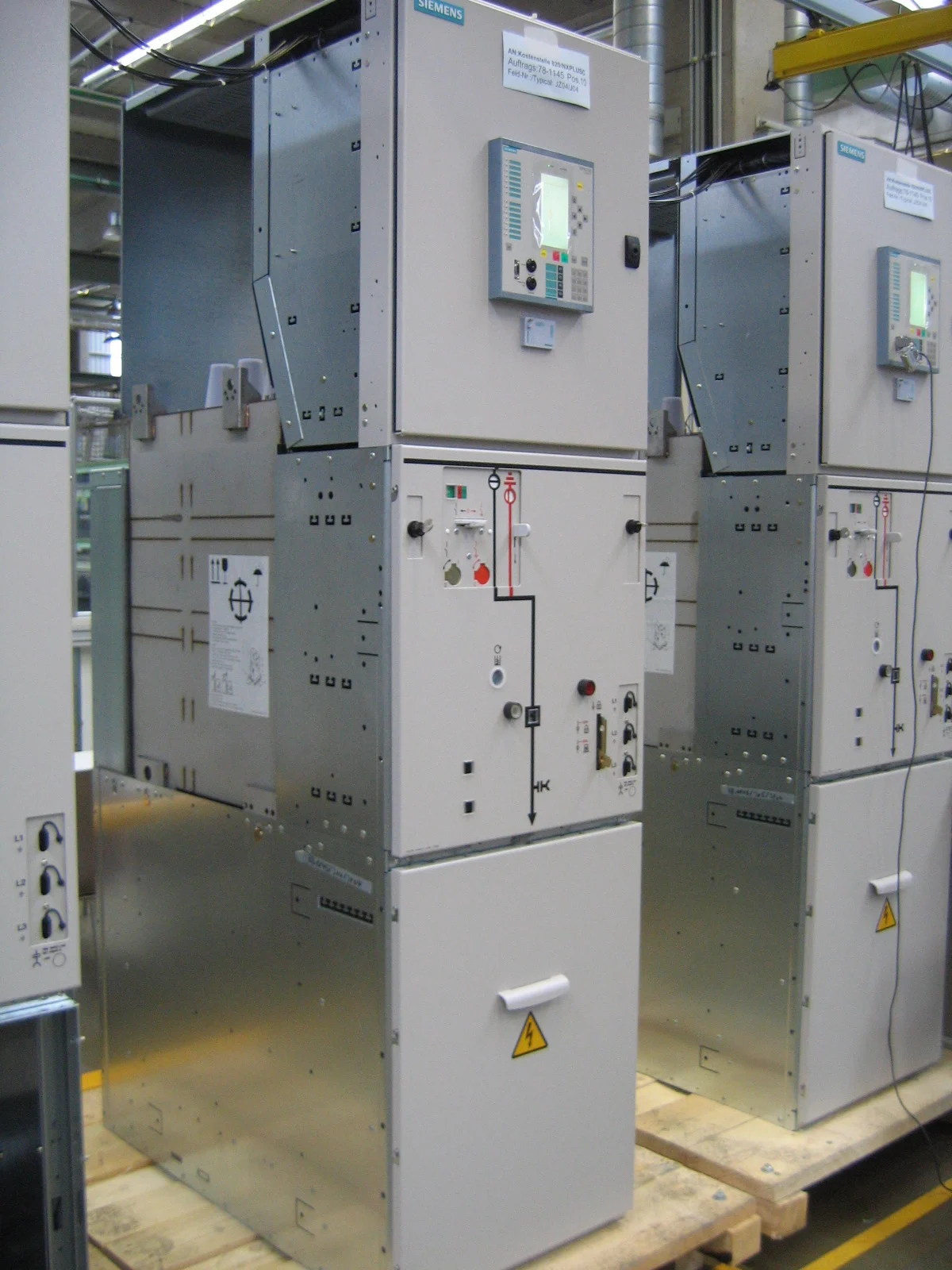
Nameplate, condition, included gear and pickup ZIP.
Equipment identification, value and agreed terms.
Preparation, loading and freight for accepted equipment.
These are manufacturer examples for identification—not a blanket list of interchangeable ratings or guaranteed purchase acceptance.
We buy eligible medium-voltage metal-clad switchgear with drawout vacuum circuit breakers. This purchase category covers US ANSI 5, 15, 27 and 38 kV equipment, including identifiable lineups, separate sections and associated spare breakers. Start with the manufacturer and series, then explain what is actually available. Eaton VacClad-W, Siemens GM-SG and ABB Advance provide manufacturer examples of this equipment family; naming them does not establish acceptance of every model or imply an authorized dealer relationship.
Keep this inquiry separate from fused load-interrupter cabinets and pad-mounted distribution equipment. A load switch is not a drawout power circuit breaker, and a mounting style alone does not identify the electrical design. For those categories, use the metal-enclosed load-interrupter switchgear or pad-mounted switchgear buying pages. In a mixed lot, describe each equipment family separately so the metal-clad purchase scope remains clear.
A facility's operating voltage is useful context, but it should not replace the equipment rating. Typical identification pairings are 4.16 kV systems with 5 kV-class gear, 12.47 or 13.8 kV systems with 15 kV-class gear, 24.9 kV systems with 27 kV-class gear, and 34.5 kV systems with 38 kV-class gear. These examples help describe an existing installation; they are not a complete selection rule or proof that a particular assembly suits another system.
Copy the manufacturer's class and actual rated maximum voltage exactly as documented. For example, Eaton lists 4.76 kV maximum voltage for its 5 kV-class VacClad-W family. Keep that label distinct from the known 4.16 kV operating voltage. If the system voltage is unknown, say so rather than reconstructing it from the class name. Existing one-line drawings can provide context without requiring access to equipment compartments.
Record main-bus continuous current separately from each included breaker's continuous-current rating. Eaton's 5–15 kV VacClad-W headline range includes 1,200, 2,000, 3,000 and 4,000 A. Siemens publishes the same main-bus choices in its lower-voltage GM-SG range, but its standard breaker ratings and cooling arrangements are separate. A 3,000 A breaker may serve a 4,000 A application with specified fan cooling. The larger assembly number does not automatically become every feeder breaker's rating.
At 27 kV, published Eaton and Siemens ranges include 1,200, 2,000, 2,500 and 3,000 A; configuration still matters. Siemens specifies fan cooling for a 2,500 A breaker used at 3,000 A. At 38 kV, Eaton and ABB identify specified applications up to 3,000 A with forced-air breaker cooling. Do not advertise 4,000 A across all voltage classes. Include any documented cooling equipment and disclose missing fans or associated controls.
Fault-duty ratings describe something different from normal continuous current. Send the printed kA value with its voltage, units and duty designation. An rms symmetrical interrupting rating should not be substituted for an asymmetrical momentary rating or a peak-current figure. If the record states short-time withstand, preserve the duration as well; a current value without its time qualification leaves an important part of that rating out.
Manufacturer tables offer multiple fault ratings within product families, not every combination of voltage, current and construction. Avoid describing an entire lot by the highest kA number found on one breaker. Match assembly and breaker records to their section identifiers where possible. Existing full-label photographs are more informative than a crop that removes the rating's qualifications.
Include the exact breaker model, catalog information and serial numbers available in your records. Note which breakers belong to which cells and identify loose spares separately. Similar voltage and amperage do not prove that two breakers fit the same cell or share the required controls. A replacement or modified breaker should be described as such, with any available documentation, rather than presented as an original matched component.
For sections removed from a longer lineup, identify their former positions and the intended shipping splits. Preserve available general-arrangement drawings, bus details and transition-section records. Document included splice hardware, end covers and connection pieces without assuming another manufacturer's lineup will connect directly. Bus geometry and section construction need review beyond headline ratings. If a transition is missing or its destination is unknown, disclose that limitation before treating the sections as a complete expandable lineup.
Protective relays and control documentation help identify what accompanies the power equipment. List relay manufacturers and models, meters, control switches and any documented modifications. Provide available wiring diagrams and existing relay-setting records, while making clear whether they describe the present arrangement. Record the documented AC or DC control supply and breaker trip and close voltages separately where available. Do not infer those values from the main-bus voltage.
State the section count and included breaker quantity, then disclose empty cells and missing accessories. Identify available racking equipment, keys, test accessories, drawings and spare parts without assuming they are all present. If relays, control-power components or breakers were retained for another project, say which items remain. A documented parts lot and a complete lineup are different sale scopes, even when their exterior cabinets look similar.
Tell us whether the gear remains installed, has been removed, or is unused project surplus. Installed equipment can be described for an initial review using existing records; an inquiry does not require immediate disconnection. For removed gear, state when it was taken out of service and how it has been stored. For new surplus, disclose whether it was installed, altered or exposed to outdoor storage rather than relying only on an unused description.
Explain known faults, moisture exposure, corrosion, fire damage and missing components. Existing maintenance and test reports can support the condition description, but their dates and equipment identifiers matter. A past report is not a guarantee of present performance or suitability for re-energization. Keep matched breakers and labeled accessories with the documented lot until the sale scope is settled. Avoid dismantling potentially reusable sections merely to estimate their metal weight.
A purchase review considers identification, completeness, condition and demand alongside transportation costs. Provide the pickup ZIP, known dimensions, approximate documented weights and available loading access. Explain whether sections are already separated for shipping. Compare the net purchase amount after agreed freight, loading and other transaction costs, not just the headline offer. Confirm payment and pickup responsibilities in the accepted terms; contacting us does not guarantee removal services or a purchase.
Use photos and records already available or safely obtainable without opening or operating equipment. Do not open energized compartments, remove covers, rack breakers or defeat interlocks for a sale inquiry. Any access, isolation or removal requiring electrical work belongs with qualified personnel under site safety procedures. Unknown details can remain unknown in the initial message. Send the information you have and explain the access limitations rather than taking risks to complete a specification list.
Share the pickup ZIP, manufacturer and series, section and breaker counts, actual voltage label, bus and breaker amps, cooling arrangement and installed/removed/surplus status. Include existing photos, relay and control-voltage records, drawings and missing-part details if available. Do not open or operate equipment to gather sale information.
Use the short form—no extra technical questionnaire. Purchase and collection responsibilities are confirmed for accepted equipment.
Call (951) 903-9804Not exactly. A 13.8 kV nominal system commonly uses 15 kV-class metal-clad equipment, but the operating voltage, equipment class and actual rated maximum voltage are separate facts. Submit the printed assembly rating and known system voltage without replacing one with the other.
No. The 4,000 A examples in lower-voltage product ranges do not establish that rating at 38 kV. Eaton and ABB identify specified 38 kV applications up to 3,000 A with forced-air breaker cooling. Use your assembly and breaker records, including the cooling arrangement, rather than extending another product's rating.
Yes, submit identifiable breakers or sections and state that they are not a complete lineup. Include breaker models, original cell or section identifiers and available bus-transition records. Similar voltage and amps alone do not establish interchangeability. Eligibility and sale scope depend on the actual items.
Disclose what is missing and send the documentation you do have. Relay models, documented control-supply voltage, breaker trip and close voltages, wiring diagrams and modification records help define the lot. An incomplete control package should not be represented as a complete ready-to-operate assembly.
Those responsibilities must be agreed in the transaction, with electrical isolation and removal handled by qualified personnel under site procedures. Provide existing records and the pickup location for the initial review. Confirm how freight and loading affect the net purchase amount; an inquiry is not a removal or pickup guarantee.
Read the actual equipment records alongside the manufacturer references. Brand and product mentions do not imply dealership status or endorsement.