600 V AC
A supported nominal-system choice in Siemens WL and Eaton Magnum DS documentation. Identify the actual system from existing facility records.
We buy eligible used and surplus 600 volt switchgear nationwide. Offer your lineup, identified sections or associated power breaker lot with the actual voltage ratings, included equipment and known condition.
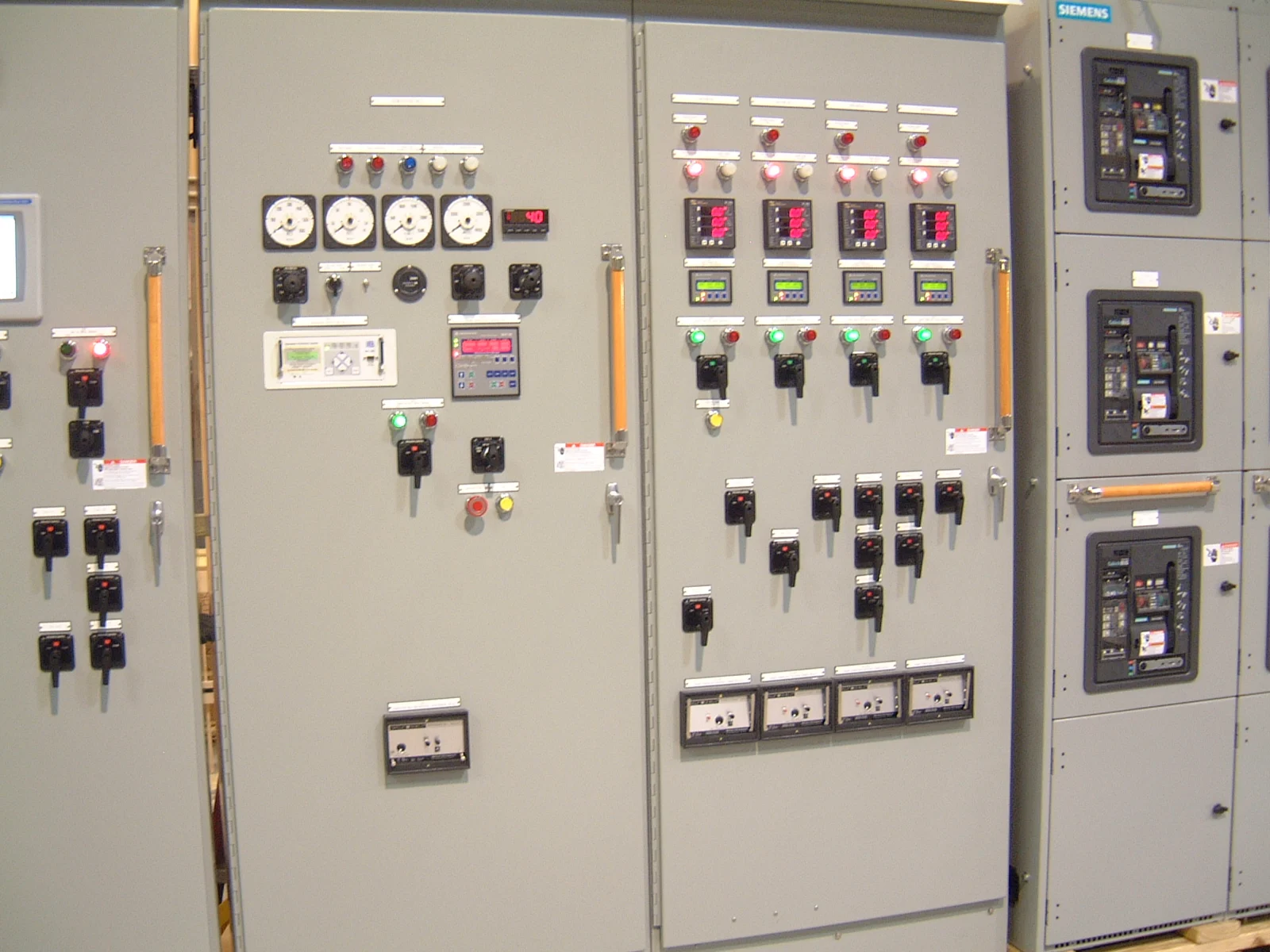
Nameplate, condition, included gear and pickup ZIP.
Equipment identification, value and agreed terms.
Preparation, loading and freight for accepted equipment.
These are manufacturer examples for identification—not a blanket list of interchangeable ratings or guaranteed purchase acceptance.
We buy eligible 600 volt switchgear released by equipment replacements, facility changes and surplus projects. Start your inquiry with the manufacturer, series and assembly identifier, then describe the sections and breakers being sold. A complete main-tie-main arrangement, a single identified section and a spare breaker lot are different offerings. Keeping that distinction clear helps establish the purchase scope before transport or dismantling changes the inventory.
For this page, 600 V means the known nominal operating voltage, not merely the largest voltage printed on a cabinet. Send an existing one-line diagram or equipment schedule that connects the offered lineup to its former system. State whether it remains installed, has been disconnected or is stored elsewhere, and include the location ZIP and anticipated release date.
Siemens WL specifications offer a 600 V nominal system while identifying 635 V maximum design voltage for non-fused breakers. Eaton's Magnum DS voltage table also pairs 600 V system voltage with 635 V maximum. Preserve both descriptions in the sale information. A maximum equipment rating is a limit associated with the design; it is not evidence that the facility operated at that voltage.
Fused equipment deserves its own identification. The Siemens guide gives 600 V maximum for its fused-breaker design, rather than extending the non-fused 635 V maximum to every unit. Likewise, a device marked only for 480 V must not be represented as suitable for 600 V because it was found beside higher-voltage gear. Submit the device's exact markings instead of assigning it a broader rating.
A breaker can have different interrupting ratings at different voltages. Eaton's April 2019 Magnum DS guide lists the 1,600 A frame MDN-C16 at 100 kA rms symmetrical interrupting current at 508 V, but 65 kA at 635 V. That published example shows why a seller should not advertise the lower-voltage figure as the breaker capability for a 600 V application. Include the model and the voltage associated with each reported kA value.
The complete assembly has its own fault rating, which must not be replaced by the strongest breaker in the lot. Short-time withstand is another separate duty and needs its stated duration. Siemens, for example, lists a Frame Size II H-class breaker short-time withstand of 65 kA rms for 0.5 seconds. Copy the rating type and time from matching records rather than combining unrelated numbers into a single fault-capacity claim.
The voltage alone does not describe the original distribution system. Siemens WL guide specifications distinguish 50 Hz from 60 Hz, three-wire from four-wire arrangements, and grounded-neutral, ungrounded and high-impedance-grounded systems. Use the actual project's records to describe yours. Do not choose one of those configurations because it is common at another facility or appears in a general manufacturer specification.
Identify whether the sale includes a neutral bus, ground-fault sensing components or an associated high-resistance grounding section. Eaton documents integrated high-resistance grounding options, so a dedicated grounding cabinet should not disappear into an unexplained accessory count. Show its identifier and associated drawings when available. Report control power details separately from the 600 V power circuit, including known trip or closing-coil voltage for electrically operated breakers.
A 600 V label does not establish an assembly standard or a country-specific listing. Eaton distinguishes UL 1558 low-voltage power circuit breaker switchgear from UL 891 switchboards, and UL 1066 power breakers from typical UL 489 switchboard devices. If your lot contains both assembly categories, identify them separately. Similar cabinet dimensions or shared voltage ratings do not make them interchangeable products.
Siemens states that optional CSA compliance with cUL labeling is available for WL switchgear. That option is not proof that every WL section has Canadian labeling. Include existing images of the actual US or Canadian certification marks and any matching factory documentation, especially for gear moved across a border. Such records help identify the offering; they do not guarantee acceptance for a buyer's proposed installation.
Describe the lineup using its continuous assembly bus rating, then list the installed breakers individually. Published Siemens WL options include 1,600, 3,200, 4,000 and 6,000 A buses. These are product-family examples, not a rating assigned to every 600 V cabinet. Keep main, tie and feeder positions connected to their section identifiers so the inventory reflects the original arrangement rather than a total of breaker amperages.
For a breaker, distinguish the frame from its configured rated current and protection settings. Siemens publishes a 1,200 A rating-plug option for a 1,600 A WL frame. The frame therefore does not by itself tell a buyer which plug is installed. Include the trip-unit model, plug or sensor information and known settings from available reports without changing adjustments to create a sale description.
Keep assembly drawings, breaker catalog numbers and original compartment assignments together. Two breakers rated 600 V and 1,600 A are not automatically compatible with the same cradle. Manufacturer family, frame, interrupting class, control connections and mechanical arrangement matter. Siemens describes interlocks intended to prevent insertion of an incorrect frame size or interrupting rating; a seller should not test compatibility by trying a loose breaker in another compartment.
List the included breakers, cradles, meters, controls, operating accessories and loose shipping-joint materials. Identify vacant positions and items retained by the seller. For used equipment, disclose repairs, substituted devices, water exposure and storage conditions. For unused surplus, explain whether it was installed or energized. Dated maintenance reports support its history but do not establish present readiness, and a complete exterior is not proof that all original components remain.
Supply existing label photographs, purchase records, drawings and dated reports that match the offered equipment. Never open energized compartments, remove covers, rack breakers or operate controls to gather sale information. Leave electrical access and isolation to qualified personnel following site procedures. When a particular rating is unavailable, identify the missing record rather than estimating it from another section or an online product brochure.
Before comparing purchase proposals, define the included lot and who handles disconnection, separation, preparation, loading and freight. Provide documented shipping splits, dimensions and weights where available, plus access restrictions and current anchoring status. Those obligations affect the net transaction alongside model demand, completeness and condition. Confirm ownership authority, payment terms and equipment-transfer responsibilities in the agreement; a nationwide inquiry does not itself promise removal service or pickup.
Describe the 600 V lot and included sections or breakers. Add nominal and maximum voltage, bus amps, breaker model/frame/plug, voltage-specific fault ratings, known frequency and grounding, actual listing marks, condition, location ZIP and release date. Attach existing safe records; do not open or operate energized gear.
Use the short form—no extra technical questionnaire. Purchase and collection responsibilities are confirmed for accepted equipment.
Call (951) 903-9804No. Use the interrupting rating associated with the applicable voltage and exact model. Eaton's MDN-C16 example is 100 kA at 508 V but 65 kA at 635 V. Also keep the breaker rating separate from the complete assembly's fault rating.
No. Voltage does not establish certification. Siemens WL documentation identifies CSA compliance with cUL labeling as an available option. Send existing images of the actual marks and matching factory records rather than assuming that option was supplied.
Identify it separately and state whether it is included with the lineup. Share its model, existing diagrams and any known missing sensing or control components. The original grounding arrangement is useful identification information, not something to infer solely from the 600 V system voltage.
Inventory the loose breaker separately with its actual rating. Do not claim it is suitable for the 600 V lineup based on proximity, matching amperage or cabinet fit. Model-specific documentation is needed to establish suitability and compatibility.
Report both: 1,600 A frame and installed 1,200 A plug, along with the trip-unit model and any documented settings. Do not call that the lineup's bus rating. Assembly bus current, breaker configured current and trip settings describe different things.
Read the actual equipment records alongside the manufacturer references. Brand and product mentions do not imply dealership status or endorsement.