208 / 240 / 480 / 600 V
Nominal system choices in Siemens WL documentation. Preserve the original project voltage separately from the assembly maximum.
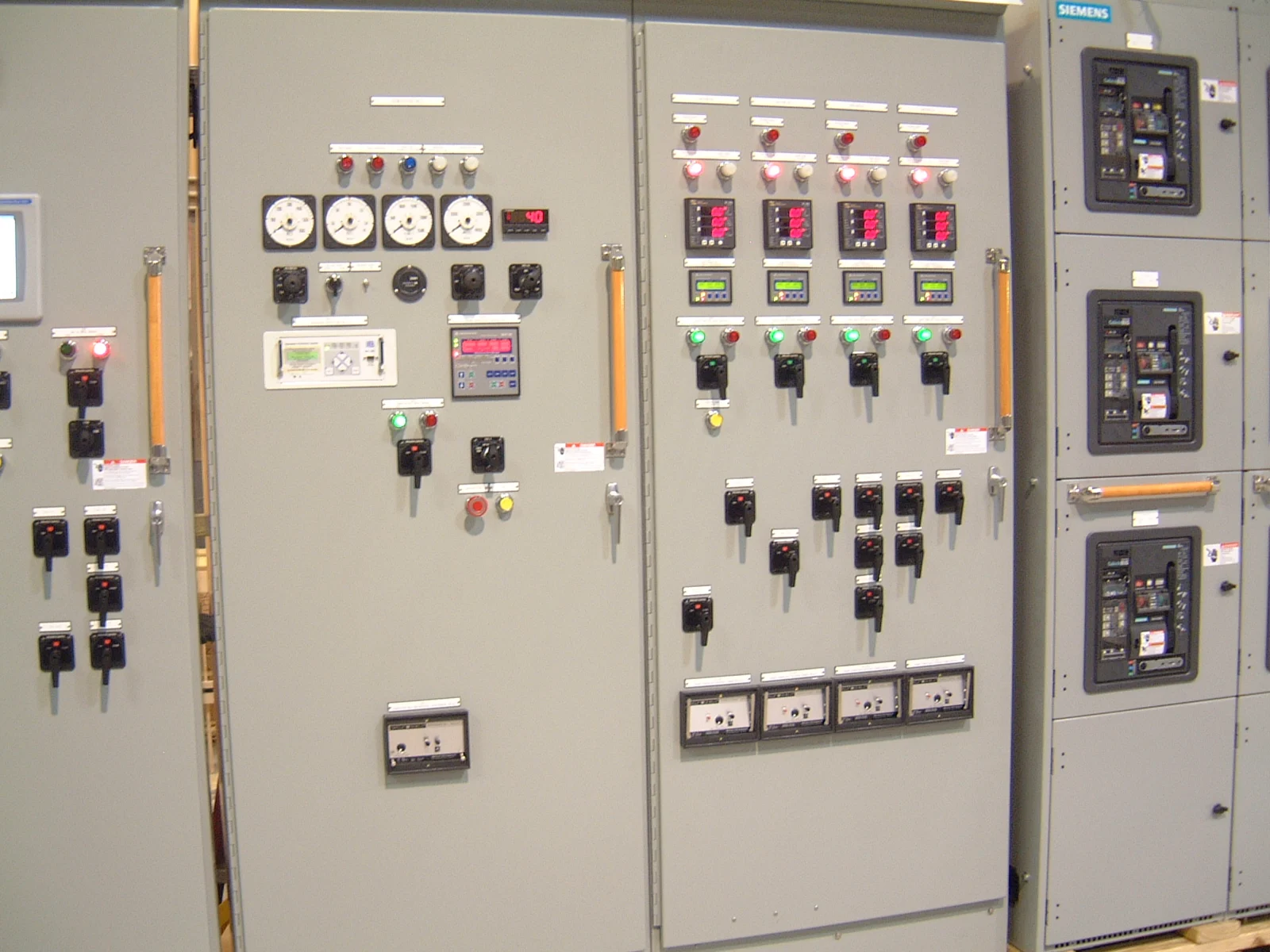
We buy eligible surplus switchgear nationwide, including unused lineups and identifiable shipping sections left over from canceled or redesigned projects. Send the original order details, actual inventory and storage condition to start a purchase review.
Nameplate, condition, included gear and pickup ZIP.
Equipment identification, value and agreed terms.
Preparation, loading and freight for accepted equipment.
These are manufacturer examples for identification—not a blanket list of interchangeable ratings or guaranteed purchase acceptance.
We buy eligible surplus switchgear from projects that were canceled, downsized or redesigned after equipment was ordered. Your inquiry can cover an unused lineup, delivered shipping groups or excess sections that never reached installation. Describe the equipment physically available, not just the quantity on the purchase order. A canceled order still awaiting manufacture is different from a warehouse lot ready for review.
Give the manufacturer, product series, project reference and location ZIP, then explain why the gear became surplus. State whether you intend to sell the entire order or retain some equipment for the revised project. Identifying those boundaries early avoids evaluating breakers, sections or accessories that will not actually transfer with the sale.
Original paperwork is especially useful when a new lineup arrives in multiple shipments. Eaton's Magnum DS instructions identify shipping groups by shop order number, general order number and shipping weight. Its medium-voltage receiving manual describes separate detail boxes labeled with the general order and item number. Use those identifiers to connect warehouse inventory with the packing list rather than treating every crate as interchangeable stock.
Provide available approved drawings, section schedules and packing lists with their revisions. Match assembly and breaker serial numbers where the records contain them, and flag any group whose identity remains uncertain. Use existing photographs and records for the inquiry. Never open energized compartments, remove covers or operate a breaker to obtain sale information; electrical access belongs with qualified personnel under site procedures.
Stored, never-installed equipment is not the same condition as equipment installed for a project that never started production. Tell us whether the sections were uncrated, anchored, joined together or connected. Separate any known energization or commissioning activity from factory testing. A factory test report documents testing at manufacture; it does not show what happened during subsequent transport, installation or storage.
Use a precise description such as unused in warehouse storage since delivery, with the relevant dates. Do not label an entire order factory-sealed because a few breaker cartons remain unopened. Disclose freight damage, handling repairs, missing packaging and parts borrowed for another job. Clear distinctions make a surplus lot easier to assess than a blanket claim that everything is new.
Project switchgear can be engineered around a particular facility rather than supplied as a generic cabinet. Eaton's low-voltage manual notes that customer-specific features and control schemes appear on the assembly drawings. Include the main, tie and feeder arrangement, cable-entry information and original section sequence. For medium-voltage gear, supply the relay schedule and control-power details already available in the order package.
An unused lineup may still need a closely matched application, so purchase interest depends partly on its configuration and completeness. Identify special metering, transfer controls or interfaces to adjacent equipment without promising that they suit another site. Report approved changes and the delivered configuration separately when they differ. The series name alone cannot establish interchangeability between surplus sections or breakers.
Carry the original project's nominal system voltage into the inquiry, alongside the assembly's maximum rating. Siemens WL documentation lists 208, 240, 480 and 600 V nominal systems and specifies 635 V maximum for designs with non-fused breakers. Selected WL bus options include 2,000, 3,200 and 4,000 A. These are manufacturer examples, not evidence that your order contains every voltage and current combination.
For an Eaton VacClad-W surplus order, 15 kV maximum voltage and 1,200, 2,000 or 3,000 A main-bus ratings are useful product-specific examples. Identify each supplied breaker separately. For low-voltage breakers, keep frame current, installed rating plug and trip settings distinct. Record fault duty in kA with its voltage and rating type; a short-time withstand entry also needs its duration. Do not substitute a breaker rating for the assembly rating.
Count cabinets, breakers and accessory containers independently. Eaton's medium-voltage receiving instructions say drawout breakers ship in individual crates, while loose parts arrive in detail boxes. A warehouse photograph showing every cabinet therefore does not prove the complete order is present. Identify the breaker quantities allocated to the lineup and any additional spares that are part of your proposed sale.
Use packing records to list shipping-split hardware, connection materials, operating accessories and other loose items. Note what is missing or stored elsewhere, including original manuals and product notices. Eaton's low-voltage instructions specifically call out separately shipped lifters and shipping-split hardware. Keep those items associated with their order; do not combine unidentified leftovers from several projects into a claimed complete installation package.
Factory shipping protection does not establish suitable long-term storage. Eaton's medium-voltage manual states that shipping packaging is not suitable for storage and identifies moisture, dirt, corrosive atmospheres and temperature changes as concerns. Its low-voltage manual also says the shipping covering for indoor assemblies is inadequate for outdoor storage. Explain where the gear has been kept and whether it moved between locations.
Supply available storage inspection records and disclose known condensation, water exposure, corrosion or enclosure damage. If preservation measures were documented, include those records rather than assuming the original wrapping kept everything protected. Keep storage arrangements under the equipment-specific manufacturer guidance and qualified site supervision. Do not energize heaters or other circuits merely to demonstrate condition for a sales inquiry.
Identify the owner and the party authorized to approve the sale. For canceled projects, clarify whether the offered lot belongs to the contractor, project owner or another purchaser, and whether equipment is reserved for return or reassignment. Provide the relevant release or authorization through the transaction process. Physical possession in a storage yard does not by itself resolve who can sell the order.
Do not advertise an automatic transferable factory warranty. Confirm any remaining coverage with the manufacturer using the actual order, shipment dates and applicable terms. Eaton's cited selling policy ties standard coverage to installation and shipment dates and excludes damage from storage contrary to its recommendations. Unused condition alone does not establish remaining coverage; include written confirmation if warranty rights are represented as part of the sale.
Original project cost is useful background, but it is not a resale price formula. The delivered configuration, identifiable components, storage condition and demand for that equipment affect purchase review. A complete documented order presents a different transaction from several unmatched shipping groups. Send the inventory before separating a lineup that you intend to offer as a single lot.
Share documented dimensions and weights for each shipping group, warehouse access and the release deadline. Confirm who handles preparation, rigging, loading and freight, plus any storage charges or release fees. Installed surplus also needs an agreed disconnection scope managed by qualified personnel. Put included equipment, payment terms and transfer responsibilities in writing, then compare the net result rather than assuming loading or transportation is included.
Describe your unused surplus order: manufacturer/series, order and serial identifiers, delivered shipping groups, included breakers and detail boxes, nominal and maximum voltage, bus amps, storage dates, known energization, ownership/release status, location ZIP and availability. Attach existing labels, packing lists or drawings; do not access energized equipment for sale data.
Use the short form—no extra technical questionnaire. Purchase and collection responsibilities are confirmed for accepted equipment.
Call (951) 903-9804Yes, explain its status accurately and provide the order documents available to you. Identify whether equipment is completed, who owns it and who can authorize release. An order in production is not a delivered surplus lot, and any purchase discussion needs a clear description of what can actually transfer.
Describe the unopened packaging, delivery date and known storage history. Do not infer warranty coverage from the carton condition. Confirm remaining coverage and any transfer rights with the manufacturer under the terms for that specific order before representing a warranty in the sale.
Submit the available sections as an incomplete lot and identify the missing breaker quantities from the packing list. Include any detail boxes and accessories still present. Do not call the order complete until the actual inventory accounts for the separately shipped equipment.
You can offer the remaining sections for review. Mark the retained equipment on the original section schedule and list exactly which breakers, connection parts and accessories transfer. Preserve the original identifiers; a partial lot should not be described as the entire factory lineup or as automatically compatible with another installation.
Yes. It helps connect shipping groups to the engineered arrangement and shows features that a general catalog cannot identify. Include revision information and known differences between the drawings and delivered equipment. Redact unrelated project information while retaining the order and equipment identifiers needed for review.
Read the actual equipment records alongside the manufacturer references. Brand and product mentions do not imply dealership status or endorsement.