480 / 600 V nominal; 635 V maximum on specified designs
Siemens WL documentation separates nominal system voltage from the 635 V maximum design rating for non-fused breakers. Report your equipment's actual markings.
We buy eligible used switchgear nationwide, including previously operated lineups, removed sections and identified breaker lots. Tell us what the equipment did, why it left service and what remains with it so we can review the actual lot.
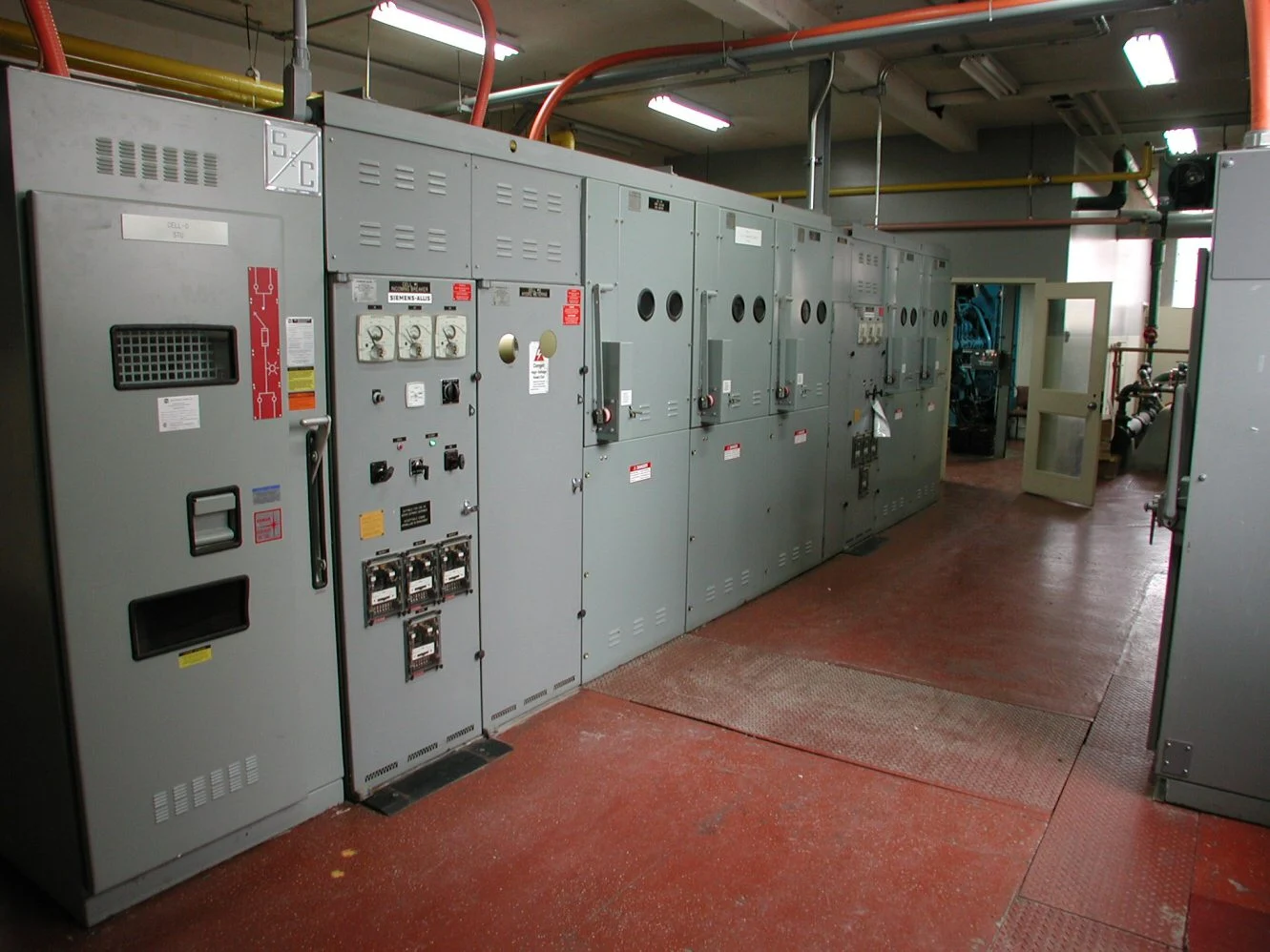
Nameplate, condition, included gear and pickup ZIP.
Equipment identification, value and agreed terms.
Preparation, loading and freight for accepted equipment.
These are manufacturer examples for identification—not a blanket list of interchangeable ratings or guaranteed purchase acceptance.
We buy eligible used switchgear from sellers across the United States. This includes gear that has carried load, sections removed during an upgrade and identifiable devices retained after a lineup was taken out of service. Start with the manufacturer, series, quantities and location ZIP. Explain whether you are offering the entire assembly or only equipment you own within it.
The reason for removal gives useful context. A lineup replaced to increase capacity has a different history from equipment withdrawn after repeated trips or an electrical fault. State the last known service date and the removal date separately. If you acquired the gear secondhand, describe the history you actually received rather than adopting the previous owner's general claim that it worked.
Removed working means the equipment reportedly operated before disconnection; it is not a present condition certification. Identify who supplied that account and whether there were known operating problems. Untested is also a useful, honest description when no relevant testing is documented. Avoid turning a successful last operation into a promise that every breaker, control circuit or protective function is ready for another installation.
Record what happened after service ended. Equipment may have been separated, transported, stored or stripped of useful devices before being offered. Disclose a known fault interruption, overheating incident, water entry or mechanical problem even when repairs followed. Include the repair documentation and any remaining exceptions. These details help distinguish an operating-history statement from evidence about the lot's condition today.
Send existing maintenance and test reports with their dates and equipment identifiers intact. A report for one breaker should not be described as a test of the entire lineup. Identify the section, serial number or asset tag covered by each document. Include recorded deficiencies and corrective work, not just a cover sheet showing that a maintenance visit occurred.
Eaton's VacClad-W instructions call for permanent records of equipment condition and explain the value of successive insulation-resistance readings under comparable conditions. For a sale, those records provide history rather than a current pass or fail decision. Tell us about storage, damage or modifications after the latest report. Do not order or attempt electrical testing merely to complete an initial inquiry.
Use existing labels and drawings to separate the operating system from the equipment maximum. Siemens WL includes 480 and 600 V nominal systems and a 635 V maximum on specified designs. Eaton's 5 kV-class VacClad-W documentation uses a 4.76 kV maximum, with 4.16 kV as a typical system example. Neither pairing establishes that a used assembly suits a different installation.
Record the assembly bus current separately from breaker current. A Siemens WL 1,600 A breaker frame can have a lower installed rating plug, and its trip settings are another detail. For fault ratings, Eaton distinguishes breaker interruption from assembly withstand. Copy the kA value with its voltage and rating description; retain the duration for short-time withstand. Do not substitute the largest breaker marking for the lineup rating.
Previously operated switchgear may no longer match its original factory drawings. List known breaker conversions, relay replacements, trip-unit changes, rewiring and bus alterations. Supply the corresponding work orders, updated diagrams or retrofit identifiers when available. Keep the original assembly identity alongside later component information so a buyer can understand what was changed rather than treating the original catalog description as the current configuration.
An older series can interest a buyer seeking identifiable replacement equipment, but age or discontinued status alone does not establish value. Exact model revisions, control details and component completeness matter to that review. Similar dimensions, amperes or brand names are not proof of interchangeability. Describe unidentified replacement parts plainly and preserve their existing labels instead of advertising an unsupported fit.
Compare the offered lot with the available section schedule. Identify the main, tie and feeder breakers that remain, along with empty positions created by earlier removal. List installed relays, meters and control-power equipment separately from loose spares. A cabinet exterior does not show whether the original protective devices or associated controls are still included in the transaction.
Keep accessories associated with their equipment. Eaton's Magnum DS instructions identify separately shipped lifters, loose items and shipping-split hardware, illustrating why an inventory should extend beyond cabinet count. State whether operating accessories, keys, covers and joining hardware remain available. Mark missing or damaged items instead of replacing them with visually similar parts. Include drawings and manuals as documentation, not as evidence that every depicted component is present.
Describe where and how long the gear has been stored since removal. Eaton's Magnum DS manual warns against dampness, condensation and dirty or corrosive storage environments; its VacClad-W maintenance guidance also treats humidity, corrosive atmospheres and heavy dust as relevant conditions. Note known outdoor exposure, leaks, corrosion or contamination. A fresh exterior finish does not answer what happened during storage.
Use existing condition photographs and dated handling records to show changes since the last inspection. Identify transport damage, bent doors, missing barriers or separated sections already documented. If the gear has moved between warehouses, report the known sequence and any gaps. Current condition affects the uncertainty and possible work associated with a purchase, so a favorable service history should not conceal later deterioration.
Useful starting documents include an existing nameplate photograph, one-line diagram, maintenance inventory and removal paperwork. Link asset tags to the items offered, and retain enough of each label to identify its rating type. Never open energized compartments, remove covers, rack breakers or operate equipment to obtain sales information. Electrical isolation and any access requiring electrical work belong with qualified personnel under site procedures.
A used-switchgear proposal concerns an identified lot, not a fixed price per year of age or per amp. Provide documented dimensions and weights, installed or removed status, known shipping splits and loading access. Specify who owns the equipment and can authorize its sale. Compare the net proceeds after agreed preparation, rigging, loading and freight costs. Put included items, exclusions, payment terms and transfer responsibilities in writing; a purchase discussion does not automatically include disconnection or removal services.
Describe your previously operated switchgear: manufacturer/series, quantities, ownership, reason and dates of removal, known voltage and bus ratings, included breakers, modifications, current condition and storage history. Add location ZIP, loading status and available dated reports or existing label photos. Do not access energized equipment for this inquiry.
Use the short form—no extra technical questionnaire. Purchase and collection responsibilities are confirmed for accepted equipment.
Call (951) 903-9804Yes, submit it with that exact condition description. Give the last known operating date, removal date and any reports you already have. Explain subsequent storage or changes. Working at removal is useful history, not confirmation of present readiness or guaranteed purchase eligibility.
It describes the equipment tested at that time. Identify the later retrofit and supply its records or updated drawings separately. Do not present a pre-modification report as a current test of the changed configuration.
No. An identifiable older model may suit a specific inventory need, but demand, exact revision, condition and included components affect interest. Discontinued status does not establish scarcity, a price or compatibility with another lineup.
Send the identification and condition records you possess, explain when you acquired the gear and mark its earlier history unknown. Existing exterior photographs, inventory lists and removal documents can still support review. Do not open or operate equipment to fill missing fields.
Check the written scope rather than assuming it does. Establish who handles electrical disconnection, unanchoring, rigging, loading and freight, and which costs reduce your proceeds. Equipment still connected or difficult to access needs those responsibilities agreed before comparing net offers.
Read the actual equipment records alongside the manufacturer references. Brand and product mentions do not imply dealership status or endorsement.