4.16 kV line-to-line
A typical operating-voltage example for US 5 kV class equipment, not the maximum equipment rating or a selection rule. Retain the system voltage shown in existing facility records.
We buy eligible used and surplus 5 kV switchgear nationwide, including identified vacuum-breaker lineups and metal-enclosed load-switch equipment. Send the equipment ratings, included devices and available records for purchase review.
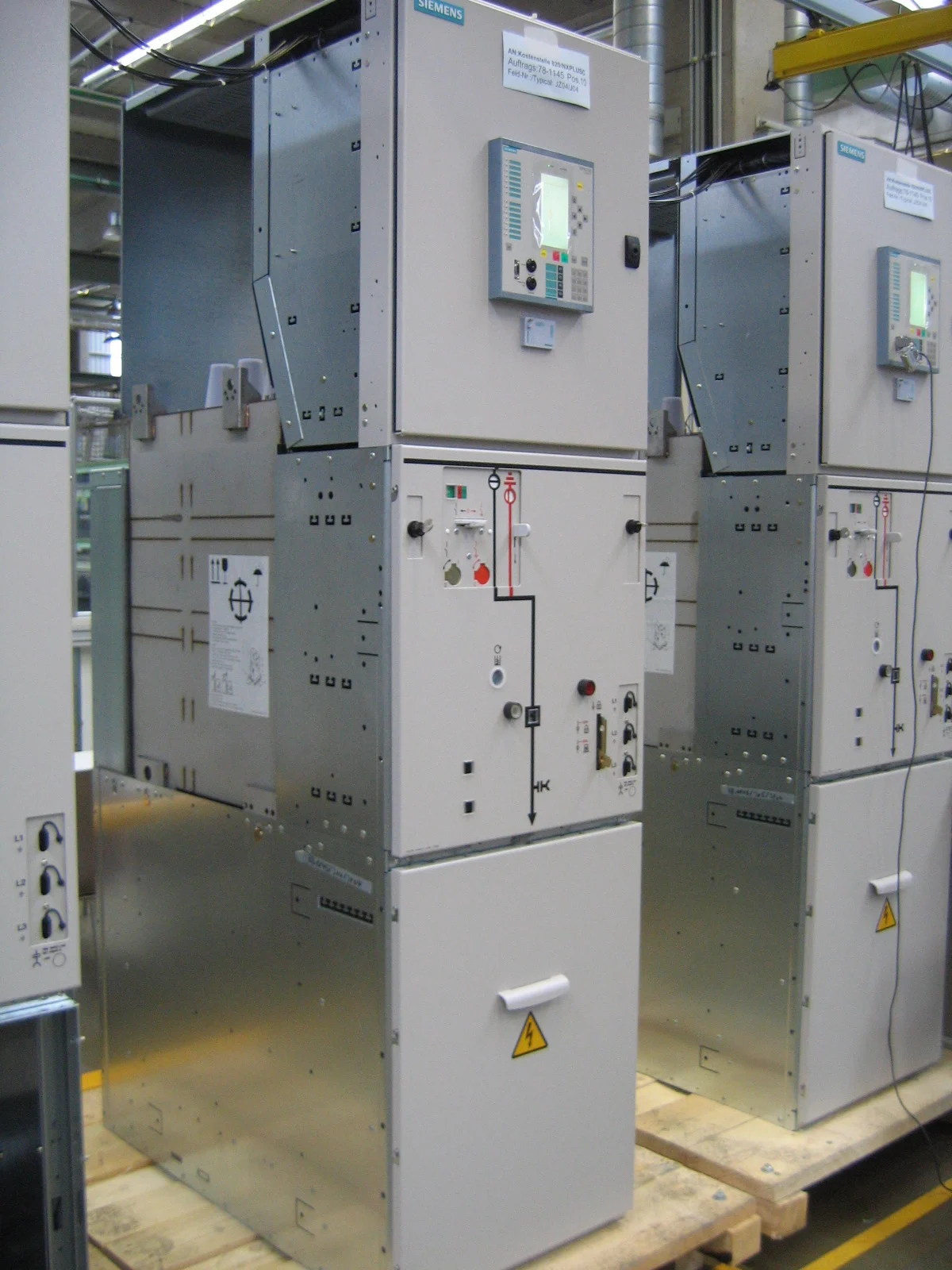
Nameplate, condition, included gear and pickup ZIP.
Equipment identification, value and agreed terms.
Preparation, loading and freight for accepted equipment.
These are manufacturer examples for identification—not a blanket list of interchangeable ratings or guaranteed purchase acceptance.
We buy eligible 5 kV switchgear offered as used equipment, unused project surplus or identified sections with associated devices. Describe the lot as it stands today: one connected lineup, separated shipping sections or a combination of gear and spare breakers. Include the manufacturer, series, section count and location ZIP so the inquiry starts with a recognizable equipment package.
A 4.16 kV industrial distribution system may supply large motors or plant feeders, but that application alone does not identify the equipment being sold. An existing one-line diagram can show whether the lot contains incoming mains, a bus tie or outgoing feeders. Mark the offered sections on a copy rather than implying every device on the facility drawing is included.
Sellers often describe equipment by its former 4.16 kV operating voltage while manufacturer records call it 5 kV class. Eaton VacClad-W and Siemens GMSG documentation show 4.76 kV maximum ratings for their cited 5 kV designs. These numbers have different roles: the nominal system voltage describes the supply, while the maximum rating belongs to the equipment.
Preserve all three descriptions when the records support them. Do not replace a 4.76 kV maximum marking with a rounded 5 kV maximum, or infer the operating voltage from the class designation. Keep the stated standard and manufacturer family as well. An IEC-design assembly with a similar voltage label is not automatically interchangeable with the US IEEE metal-clad examples discussed here.
The switching device changes how a 5 kV lot should be described. Eaton VacClad-W uses horizontal-drawout VCP-W vacuum circuit breakers in IEEE C37.20.2 metal-clad construction. Siemens GM-SG likewise combines an air-insulated metal-clad assembly with drawout vacuum breakers. Vacuum describes the breaker interruption medium; it does not mean the entire lineup is vacuum insulated.
Eaton MVS is a different assembly family, associated with IEEE C37.20.3 and load-interrupter switches. Its published switch ratings include 600 and 1,200 A, while its 4.76 kV main-bus table includes a 2,000 A option. Identify fused or non-fused construction and manual or motor operation from available records. A large MVS bus does not turn the installed load switch into a power circuit breaker.
A main-bus ampere rating describes the assembly conductor system, not every feeder's continuous current. Siemens lists 1,200, 2,000, 3,000 and 4,000 A self-cooled main buses for its applicable GM-SG designs. Eaton VacClad-W publishes those familiar examples and a 2,500 A bus option. Copy the offered lineup's rating rather than summing its breaker amperages.
Cooling is particularly important when offering a 4,000 A package. The cited Eaton and Siemens designs use a 3,000 A breaker with specified fan cooling for 4,000 A duty. Siemens also qualifies the cell arrangement and indoor application. List the fan equipment and controls that remain with the sale; a 4,000 A bus label alone cannot establish a loose breaker's continuous-current capability.
Eaton's 4.76 kV VacClad-W assembly table lists 25, 40, 50 and 63 kA rms symmetrical short-circuit examples. These are not load-current ratings. Keep the breaker interrupting duty distinct from assembly withstand, and include the duration for short-time withstand. The guide's two-second assembly rating has component qualifications, so an unqualified kA number can lose important information.
MVS load switches are not designed or tested to interrupt fault currents; fuses provide short-circuit interruption in fused arrangements. Their fault-close and time-qualified withstand ratings describe different duties. Also retain BIL, the lightning impulse withstand rating: Eaton's cited 4.76 kV assembly tables show 60 kV peak. BIL is neither operating voltage nor fault current, and it does not demonstrate present insulation condition.
Useful 5 kV records go beyond an overall voltage and ampere description. Match the assembly serial or order number to the general arrangement, one-line and control schematics. Identify breaker models and their section positions. For instrument transformers, preserve documented current-transformer ratios and voltage-transformer information without guessing from the former feeder load.
List protective relay models and known control-power ratings separately. Eaton's VCP-W guide shows different DC and AC control arrangements, illustrating why a breaker voltage class does not identify its closing or tripping supply. Breaker continuous current also does not establish relay pickup settings. Supply existing settings files or reports when available, but do not change settings or claim replacement compatibility to make the lot appear more complete.
Inventory installed mains, ties and feeders alongside empty positions and separately stored spares. Include available relay panels, instrument transformers, control-power equipment and operating accessories in the description. For a divided lineup, identify which original sections and connecting parts remain together. Similar cabinets from different projects should stay separately identified.
For an MVS lot, state whether the installed fuses and any spare fuses are included, using their documented catalog numbers and ratings. For vacuum-breaker gear, identify loose breakers individually rather than assigning them the lineup's bus rating. Missing devices, altered wiring or absent cooling equipment can change commercial interest. Manufacturer, configuration, condition and demand matter more than a simple price-per-amp calculation.
Distinguish equipment that operated in a plant from project surplus that was never energized. Give known service, removal and storage dates, and disclose moisture exposure, corrosion, overheating or reported failures. Explain modifications and missing parts even when the exterior still looks complete.
Dated breaker test reports and relay maintenance records can help identify prior work when their serial numbers match the lot. They describe results at that time, not guaranteed readiness after removal or storage. Keep an unknown condition marked unknown rather than calling untested equipment refurbished. If breakers were separated from the lineup, describe how their identities were preserved and where each is stored.
Start with drawings, purchase records and photographs already available. A readable assembly label, breaker label and exterior lineup view are more useful than an unsupported description of internal condition. Never open energized compartments, remove barriers, rack breakers or operate switches to gather sale information.
Any access or electrical isolation must be handled by qualified personnel under the site's procedures. Submit the information you can safely provide and identify the remaining gaps. Include installed or disconnected status, documented shipping splits, approximate dimensions and available weights. These details help define transport scope without requiring the seller to perform an electrical inspection for an initial inquiry.
Before comparing proposals, clarify who is responsible for disconnection, rigging, preparation, loading and freight. State whether the gear remains anchored, whether loose breakers ship with it and what loading access exists. Confirm ownership and any equipment excluded from the sale, especially where drawings include utility or third-party assets.
A nationwide inquiry does not establish a pickup commitment or acceptance of every 5 kV assembly. Compare the net proceeds after agreed costs, not only the headline amount. Put the equipment inventory, payment terms, transfer point and handling responsibilities in the accepted agreement so both parties understand what changes hands and what site work remains outside the purchase.
Describe your 5 kV lot with manufacturer/series, known operating and maximum voltages, main-bus amps, breaker or load-switch ratings, section inventory, cooling equipment, condition, location ZIP and availability. Attach existing labels, drawings and control records. Identify installed or removed status and loading arrangements; do not open energized compartments for sale data.
Use the short form—no extra technical questionnaire. Purchase and collection responsibilities are confirmed for accepted equipment.
Call (951) 903-9804Use the manufacturer's class designation and preserve the known operating voltage separately. For the cited US product families, 5 kV class equipment has a 4.76 kV maximum rating. Submit the exact nameplate wording and the 4.16 kV system record rather than treating the values as interchangeable.
No. Eaton's cited 4.76 kV MVS table includes a 2,000 A main bus, while its load-interrupter switch examples are 600 and 1,200 A. Provide both ratings and identify the installed switch models. A bus rating is not a switch load-interrupting rating.
Identify the missing cooling equipment and submit the original arrangement and ratings if available. Specified Eaton VCP-W and Siemens GMSG designs depend on forced-air cooling for a 3,000 A breaker to serve a 4,000 A application. Do not describe the remaining breaker as independently rated 4,000 A without supporting records.
Existing settings files and dated reports can help identify the installed protection arrangement when matched to relay models and section identifiers. Include them as historical records, not as approval for another installation. Keep relay pickup settings separate from breaker continuous current and assembly bus amps.
You can submit an accurately identified incomplete lot for review. State which fuses are absent and provide the original fuse schedule or catalog details if available. Do not assign the original fused fault-interrupting capability to the remaining load switch; the switch itself is not a fault-interrupting device.
Read the actual equipment records alongside the manufacturer references. Brand and product mentions do not imply dealership status or endorsement.