480 V nominal / 635 V maximum design
Siemens WL documentation includes 480 V nominal systems and a 635 V maximum design rating for non-fused equipment. Preserve the actual assembly markings; maximum voltage is not operating voltage.
We buy eligible end-of-life, damaged and incomplete switchgear nationwide. Offer the intact lot with its remaining breakers and known material history so potential component reuse and recycling can be considered before the sale scope is agreed.
Nameplate, condition, included gear and pickup ZIP.
Equipment identification, value and agreed terms.
Preparation, loading and freight for accepted equipment.
These are manufacturer examples for identification—not a blanket list of interchangeable ratings or guaranteed purchase acceptance.
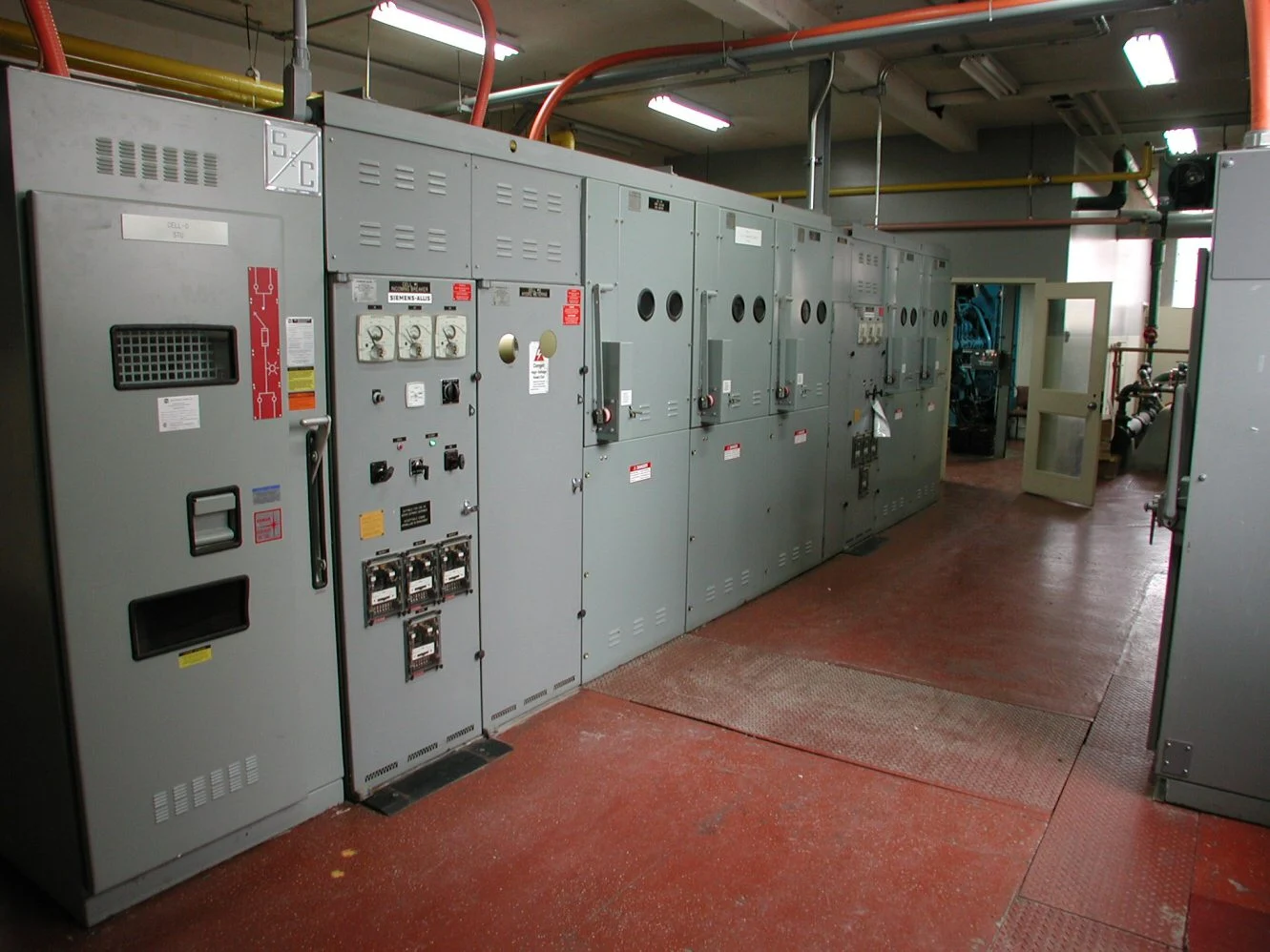
We buy eligible scrap switchgear from sellers across the United States. A retirement decision may follow severe damage, missing equipment or an upgrade that leaves no practical use for the original lineup. Describe why the gear is being retired and whether you are offering complete cabinets, disconnected sections or remnants from an earlier dismantling project.
Start with the lot as it exists today rather than promising a quantity of clean copper. An enclosure destined for recycling may still contain identifiable breakers or controls worth reviewing separately. Conversely, a recognizable brand does not make damaged equipment reusable. Give us the remaining inventory and condition so the inquiry can distinguish component opportunities from the material-only portion.
Switchgear weight includes more than conductors. Cabinets, barriers, mechanisms, insulation and installed devices contribute to the total. Eaton's Magnum DS manual identifies standard silver-plated copper bus, optional tin-plated copper bus and optional steel or aluminum barriers. Those construction details illustrate why a mixed assembly cannot be valued as though every pound were the same grade of metal.
Report documented bus material when the drawings or specifications identify it. Aluminum elsewhere in a cabinet does not establish an aluminum main bus. State whether a weight comes from a shipping record, scale ticket or estimate, and whether it includes pallets or loose equipment. Do not strip insulation, cut bus bars or dismantle compartments to calculate yield for an initial sales inquiry.
Even a scrap lot benefits from accurate electrical identification because surviving components need their own descriptions. A Siemens WL lineup can have a 3,200 A continuous bus while an included breaker has a 1,600 A frame. Its installed rating plug and adjustable trip settings are separate facts. None of these ampere numbers reveals the pounds of copper remaining after earlier removals.
Keep voltage equally precise. Siemens WL distinguishes nominal systems such as 480 V from maximum design voltage. For medium-voltage remnants, Eaton VacClad-W provides a 5 kV class example with a 4.76 kV maximum for a 4.16 kV nominal system. Copy actual markings, including fault ratings in kA and their duty. Short-time withstand also needs its duration; it is not breaker interrupting capacity.
List installed and loose breakers separately, with model, serial number and quantity from available records. For drawout devices, explain whether the associated truck or cradle remains in the lot. Identify trip units, control accessories and operating equipment that are included. Keep matching records with the devices rather than grouping all loose breakers under the amperage of the former main bus.
Describe each component's exposure to the event that damaged the lineup. A breaker outside a burned section has a different reported history from one recovered within it, but neither description establishes current fitness. Dated maintenance reports support identification and history only. Do not advertise similar-looking devices as interchangeable or treat component reuse review as approval to reinstall them.
Historic equipment needs more than a metal inventory. EPA identifies capacitors and several kinds of older electrical equipment as potential sources of polychlorinated biphenyls, or PCBs. Its hosted electrical-equipment guide also flags oil-filled switches, circuit breakers and enclosures for scrutiny. This does not mean every old lineup contains PCBs; it means unknown fluid history should not be represented as verified clean material.
Supply existing fluid identification, capacitor labels and laboratory reports with the equipment identifiers they cover. If no reliable information exists, say so. Do not drain oil, puncture sealed capacitors or collect samples yourself for a quote. PCB storage and disposal can require specialized arrangements under EPA rules. A purchase inquiry is not confirmation that regulated equipment can enter an ordinary scrap stream.
Identify the insulating medium from existing manufacturer records when the lot includes sealed tanks or gas-insulated equipment. A vacuum interrupter does not necessarily mean the entire assembly is gas-free: interruption and insulation describe different functions. Report known gas type and available service records, and distinguish an unknown status from documented recovery performed on the specific unit.
EPA's SF6 guidance explains that proper decommissioning applies even to hermetically sealed switchgear. Remaining gas needs recovery rather than release during disposal. Do not vent a tank, open a gas compartment or cut the enclosure to prepare the lot for sale. Qualified specialists should establish the appropriate handling route; gas recovery responsibility and documentation belong in the agreed transaction scope.
Explain whether the retirement followed fire, flooding, mechanical impact, corrosion or an electrical fault. Identify affected sections and report prior removal of bus, breakers or cable. Photographs taken before damage should be labeled as historical. Current exterior views, when safely available, help establish what remains without suggesting that the internal condition has been inspected.
Use existing asset lists, one-line drawings and incident records to connect cabinet identifiers with the lot. Never open energized compartments, remove covers, operate switches or rack breakers to obtain sales information. Qualified electrical personnel must handle isolation under site procedures. Disclose known contamination or unidentified residues instead of cleaning them away to improve the appearance of the offered equipment.
A headline scrap amount is incomplete without the costs and included material. Ask whether the proposal covers the entire described lot or excludes fluid-filled devices, loose breakers or other items. Confirm any freight deductions, handling charges and weighing basis in writing. Gross weight and bus amperage alone do not produce a dependable price formula for mixed, damaged switchgear.
Provide the location ZIP, installed or removed status, documented dimensions and available shipping weights. Describe loading access and the seller's known arrangements without assuming removal or pickup is included. The agreement should allocate electrical disconnection, preparation, rigging, loading, transport and any specialist environmental work. Confirm ownership, excluded items and transfer terms before releasing the lot, particularly when contractors have already removed selected components.
Describe the scrap lot, manufacturer/model, section count, remaining breakers and known removals. Add damage history, existing fluid or gas records, documented weights, installed or removed status, location ZIP and loading arrangements. Use existing photos and records only; do not open, drain, vent or dismantle equipment for this inquiry.
Use the short form—no extra technical questionnaire. Purchase and collection responsibilities are confirmed for accepted equipment.
Call (951) 903-9804No preparation of that kind is needed for an initial inquiry. Describe the intact lot, known bus material and any parts already removed. Premature dismantling can obscure equipment identity and eliminate component-review options. Electrical access and dismantling require qualified personnel and an agreed scope.
Yes, identify them as a separate inventory within your inquiry. Include model numbers, quantities, associated hardware and known damage exposure. Review for potential reuse is distinct from acceptance, compatibility or approval for installation; describe the cabinet and breaker condition independently.
State that the fluid or PCB status is unknown and supply existing labels or service records. Do not drain or sample it yourself. Qualified environmental personnel should resolve the identification and handling requirements before it is treated as ordinary recyclable material.
No. Vacuum describes the interruption method, while an assembly can use a separate insulating gas. Identify the actual product and insulating medium from available records. Any claimed gas recovery should have documentation tied to the unit, not just a general statement that it is retired.
Compare the same included lot and the net amount after stated deductions. Clarify who pays for preparation, loading, freight and specialist material handling, plus how weight will be determined. Do not assume a larger headline amount includes removal or covers excluded equipment.
Read the actual equipment records alongside the manufacturer references. Brand and product mentions do not imply dealership status or endorsement.