208 / 240 / 480 / 600 V
System examples in Siemens WL documentation. Report the known operating voltage separately from the equipment maximum rating.
We buy eligible used and surplus low-voltage power breaker switchgear nationwide. Offer a complete lineup, project surplus, individual sections or spare breakers with clear identification and an honest description of what is included.
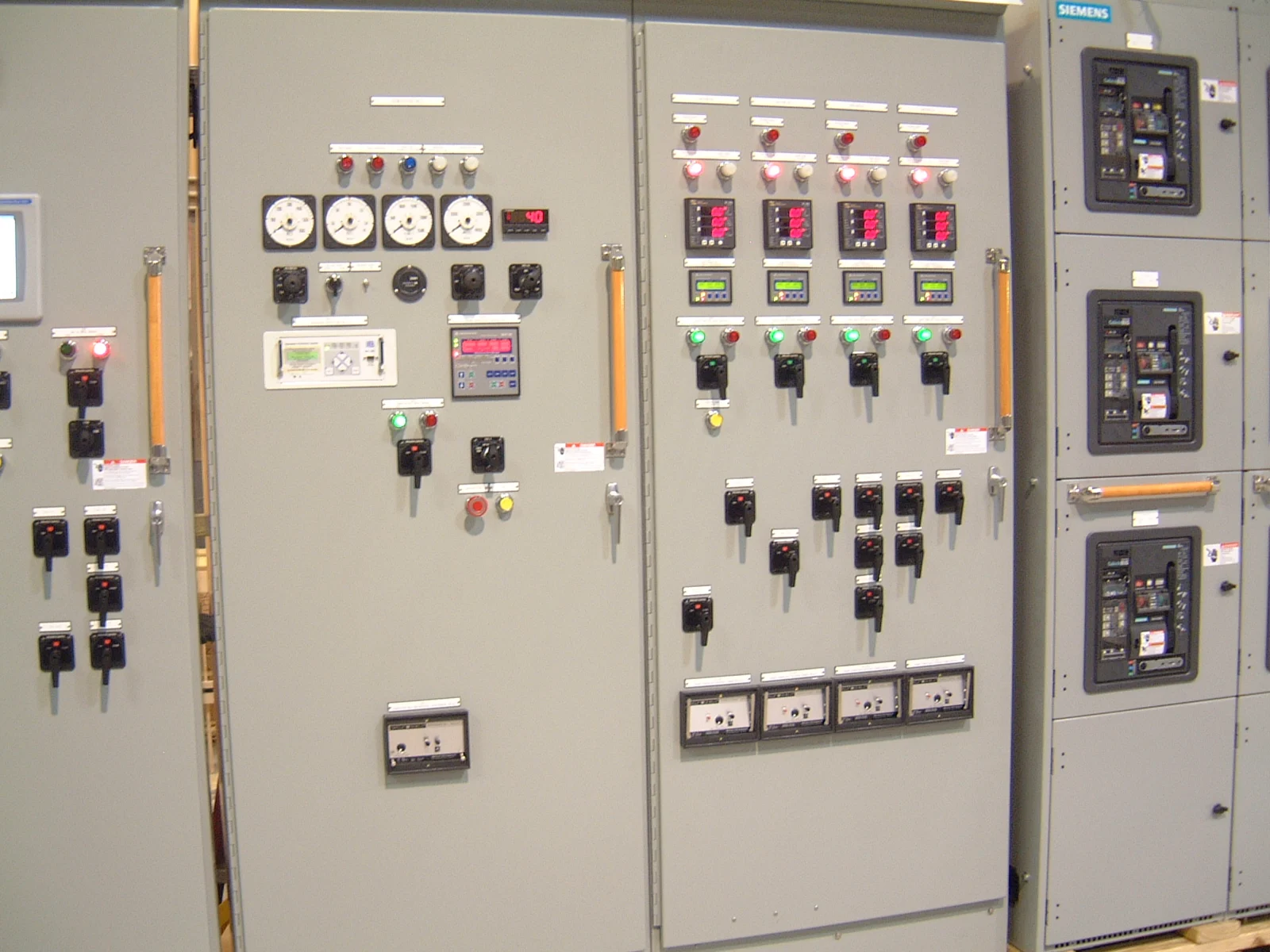
Nameplate, condition, included gear and pickup ZIP.
Equipment identification, value and agreed terms.
Preparation, loading and freight for accepted equipment.
These are manufacturer examples for identification—not a blanket list of interchangeable ratings or guaranteed purchase acceptance.
We buy eligible used and surplus low-voltage switchgear across the United States. If a plant upgrade, building closure or canceled project has left equipment available, send us the lot details before deciding to dismantle it. A purchase inquiry can cover an assembled lineup, several disconnected sections, unused project stock or spare power circuit breakers. Tell us which of those you are selling.
Begin with the manufacturer and series, then explain whether the equipment is installed, stored or already removed. Include the location ZIP and your expected availability date. For spare breakers, provide model numbers and quantities rather than describing the lot only by total amperage. Keeping each breaker associated with its original records makes the equipment easier to identify.
This page concerns US low-voltage power circuit breaker switchgear, the assembly category associated with UL 1558. Eaton distinguishes that equipment from UL 891 switchboards. A large floor-standing cabinet is not enough to settle the classification. Copy the assembly designation from an existing label or drawing, and identify a switchboard separately when your sale includes mixed distribution equipment.
The breaker standard can provide another identification clue: power circuit breakers used in this switchgear category are tested to UL 1066, while typical molded-case and insulated-case switchboard breakers follow UL 489. These distinctions help describe the lot accurately; they do not establish compatibility between different assemblies. If the records are unclear, submit the visible markings without assigning a standard yourself.
For sellers of 480 V or 600 V switchgear, the first useful distinction is between the facility supply and the equipment rating. Siemens WL documentation includes 208, 240, 480 and 600 V nominal systems. Its specifications also identify a 635 V maximum design voltage with non-fused breakers. Those numbers describe different things; a maximum marking should not replace the known system voltage in your inquiry.
Eaton's Magnum DS guide likewise pairs a 600 V nominal application with a 635 V maximum rating. Send both values when your records contain them. If the operating voltage is unavailable, retain the exact nameplate wording and mark that field unknown. Guessing from an old panel schedule can introduce an avoidable mismatch, especially when equipment was moved between facilities.
The continuous bus rating belongs to the assembly, not automatically to its smallest feeder or largest breaker. Siemens WL offers published bus options of 1,600, 2,000, 3,200, 4,000, 5,000 and 6,000 A. These examples help sellers recognize familiar ratings, but the actual assembly label controls the description of the equipment being offered.
Larger options exist in other product families. Eaton's cited Magnum DS guide lists cross-bus ratings from 2,000 through 10,000 A, separately from its breaker ratings. Neither manufacturer's list establishes a universal market range or availability at every voltage and configuration. For a multi-section lot, identify whether the sections belong to one original lineup rather than combining unrelated cabinet ratings into a single advertised capacity.
Breaker identification needs more than one amp number. Published Siemens WL frame examples span 800–6,000 A, and Eaton Magnum DS describes an 800–6,000 A breaker range. That does not make 800 A the minimum bus rating for low-voltage switchgear. Siemens explains that a rating plug determines rated current up to the frame limit; the trip unit provides protective functions and adjustable settings.
For each important breaker, record the frame marking, installed plug and trip-unit model when existing records show them. Keep fault duty separate: a kA interrupting rating is not continuous load current. Eaton also distinguishes breaker interruption from assembly short-circuit withstand and short-time withstand. Include the applicable voltage and any stated duration. The highest breaker kA number should not be presented as the entire lineup's rating.
A complete-looking exterior can conceal an incomplete sale lot. Describe the section count and identify the main, tie and feeder breakers that are actually included. Note empty breaker positions, missing trip units or separated sections. Existing section schedules and overall photographs help connect your inventory to the original arrangement, especially when equipment is stored in more than one place.
State whether meters, control devices, keys and operating accessories remain with the equipment. Include available drawings and list loose parts separately so they are not mistaken for installed components. Spare breakers should have their own inventory, even when sold alongside the lineup. Do not mix similar-looking devices or claim interchangeability without supporting identification. A buyer needs to understand both the assembled equipment and the extras included in the transaction.
Unused surplus, installed-but-unused equipment and gear removed after service are different condition descriptions. Explain the history you know and separate it from assumptions. A breaker stored in its original packaging is not the same as a complete lineup that has never been energized. Record the removal date, storage environment and known changes when that information is available.
Disclose water exposure, corrosion, overheating, fire damage and any reported operating problem. Also identify missing covers or modifications visible in existing photographs. A statement that equipment was working at removal describes its history, not a present test result. Maintenance and test reports can support review when supplied with dates and equipment identifiers, but an old report does not establish current fitness for a new installation.
The initial submission does not require a detailed engineering survey. Use photographs already on file, purchasing documents, a one-line diagram or a nameplate image obtainable without electrical access. An overall view establishes the lot, while readable labels help identify the assembly and breakers. Preserve the complete label in each image rather than cropping away the manufacturer, voltage or rating description.
Never open energized compartments, remove covers, rack a breaker or operate equipment to collect sales information. Qualified personnel must manage isolation and electrical work under the site's procedures. If safe records are limited, send what you have and describe the gaps. Redact unrelated facility information where appropriate, but retain the identifiers needed to match drawings and reports to the offered equipment.
Voltage and bus current identify the equipment; they do not produce a fixed purchase price. Manufacturer series, demand, condition and completeness influence commercial interest. An identifiable spare breaker lot may be evaluated differently from a large lineup with missing devices. Clear photographs and a consistent inventory reduce uncertainty about what is being purchased without guaranteeing a particular offer.
Moving costs also matter. Provide approximate dimensions and documented weights if available, the number of shipping splits, loading access and whether the gear is still anchored or connected. Discuss who handles disconnection, preparation, loading and freight before comparing proposals. Confirm the included equipment, payment terms and transfer responsibilities in the accepted agreement. We welcome nationwide sales inquiries; location and removal requirements remain part of the transaction review.
Describe your low-voltage lineup or spare breaker lot. Add manufacturer/series, nominal and maximum voltage if known, assembly bus amps, section and breaker quantities, condition, installed or removed status, location ZIP and availability. Attach existing nameplate photos or records; do not access energized equipment for this inquiry.
Use the short form—no extra technical questionnaire. Purchase and collection responsibilities are confirmed for accepted equipment.
Call (951) 903-9804Describe the installed breakers and spare inventory separately, then tell us whether you want to sell them together. Include model numbers, frame ratings, trip-unit details and quantities from existing records. Keep identified parts together until the agreed sale scope confirms what is included.
No. A 635 V marking can be the maximum equipment rating on a design intended for a 600 V nominal application. Report the exact maximum marking and the known nominal operating voltage separately; do not infer the system voltage from the maximum alone.
You can submit an incomplete lineup for purchase review. Identify the empty positions, any missing controls or accessories, and the breakers that remain. Existing schedules and photographs are useful for distinguishing spare spaces from equipment removed before the sale.
It provides useful history but does not replace an honest current condition description. Send dated reports with matching equipment identifiers and disclose storage conditions or damage since the report. Use only photographs that can be supplied safely, and explain when current images are unavailable.
Section size, weight, access and preparation requirements affect the cost of transferring the lot. Share the location ZIP, installed or removed status, available loading arrangements and known shipping splits. Compare the agreed responsibilities and net transaction terms rather than the headline purchase amount alone.
Read the actual equipment records alongside the manufacturer references. Brand and product mentions do not imply dealership status or endorsement.