12.47 / 13.8 kV examples
Nominal line-to-line system examples, not equipment maximum ratings or a complete selection rule. Report the known supply voltage from existing facility records.
We buy eligible used and surplus 15 kV-class switchgear nationwide. Submit your metal-clad breaker lineup or separately identified distribution unit with its manufacturer, actual voltage ratings, circuit arrangement and included equipment for purchase review.
Nameplate, condition, included gear and pickup ZIP.
Equipment identification, value and agreed terms.
Preparation, loading and freight for accepted equipment.
These are manufacturer examples for identification—not a blanket list of interchangeable ratings or guaranteed purchase acceptance.
We buy eligible used and surplus 15 kV-class switchgear, including identifiable breaker lineups and distribution equipment. Describe what you own and intend to sell: an entire main-and-feeder lineup, selected sections, a pad-mounted unit or equipment left from an unfinished project. Start with the manufacturer, series and quantity. That information is more useful than calling every medium-voltage cabinet a 15 kV switchgear lot.
Include the location ZIP, whether the equipment remains connected and when it can become available. Explain whether the sale covers only the cabinets or also breakers, protective devices and loose accessories. Identify utility-owned equipment separately rather than including it in a seller-owned lot. A clear ownership and inventory description lets the purchase review address the actual equipment instead of an assumed facility package.
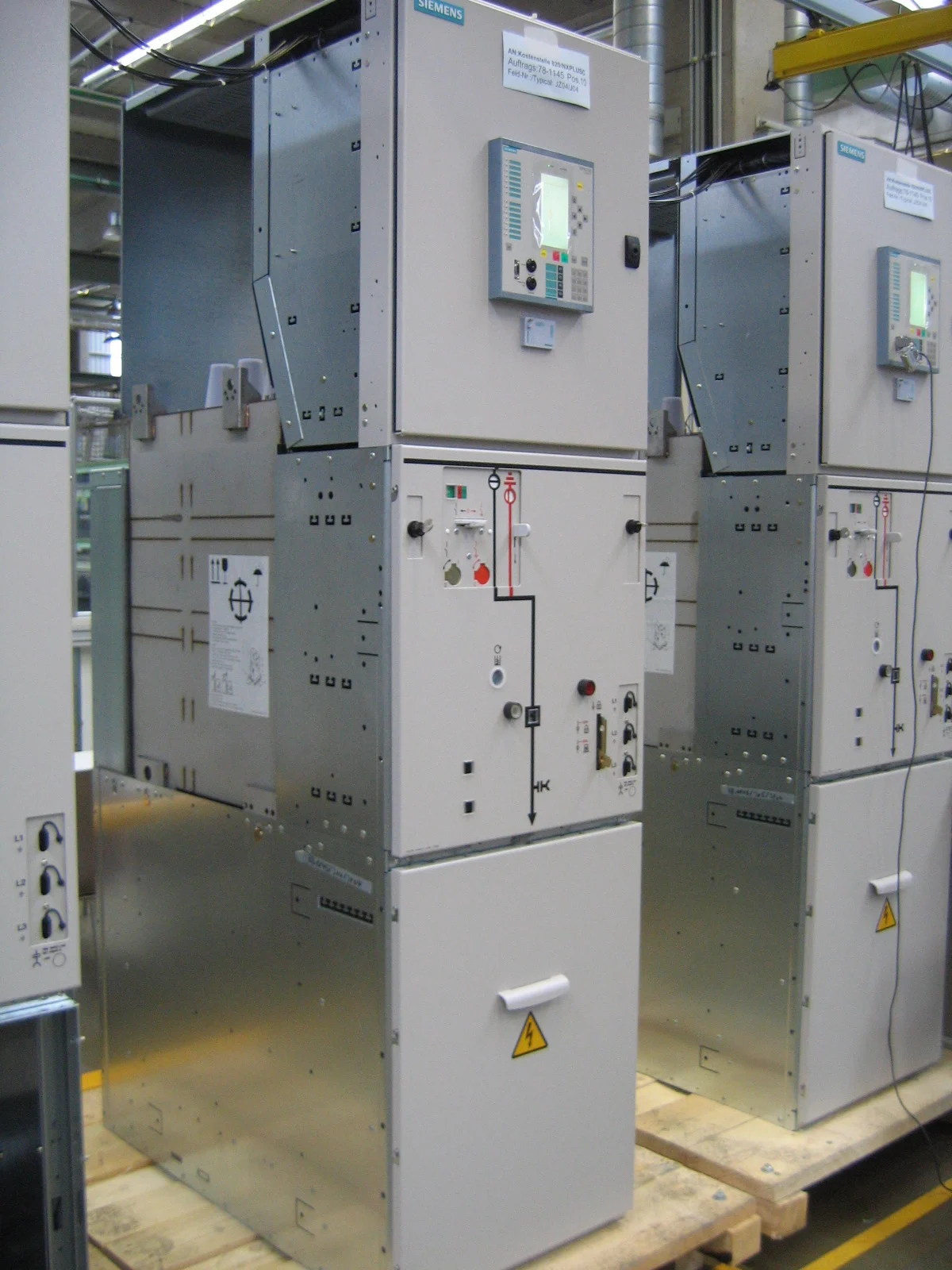
Eaton VacClad-W is IEEE C37.20.2 metal-clad switchgear using drawout vacuum circuit breakers. Siemens GM-SG is another air-insulated metal-clad family with vacuum breakers. These lineups have different identification needs from S&C PMH pad-mounted gear, which uses Mini-Rupter load switches and separate fuse circuits. PMH's 14.4 kV designation should stay in the inventory even when the seller originally searched for 15 kV buyers.
S&C Vista is a separate underground distribution family with load-interrupter switch ways and controlled fault-interrupter ways. Its cited ANSI table lists 15.5 kV system class and maximum voltage. Give the complete catalog number and circuit diagram for this equipment, not a generic breaker-cell count. The mounting style, insulating medium and interruption device describe different features; a vacuum device does not automatically make a unit an air-insulated metal-clad lineup.
A facility may describe its distribution system as 12.47 kV or 13.8 kV while its breaker lineup carries a 15 kV maximum rating. Report both numbers with their labels. The nominal system voltage describes the known application; the maximum equipment rating describes the design limit. An old one-line diagram can establish the former, while an existing assembly nameplate photograph can establish the latter.
Do not round a 15.5 or 17.5 kV marking down to 15 kV to fit the inquiry. Siemens publishes distinct 15 and 17.5 kV GMSG breaker designs, while Vista uses its own 15.5 kV designation. Preserve the stated standard, frequency and exact product family as well. Similar voltage numbers are not evidence that breakers, insulation systems or complete assemblies can be substituted for one another.
For metal-clad gear, record main-bus continuous amperes separately from the installed breaker currents. Eaton VacClad-W and Siemens GM-SG documentation includes 1,200, 2,000, 3,000 and 4,000 A bus examples. Eaton also lists 2,500 A. A 1,200 A feeder in a larger lineup does not reduce the bus nameplate to 1,200 A, and a spare high-current breaker does not increase the assembly rating.
Cooling matters at the upper end. The cited families use fan cooling for specified 4,000 A breaker duty, so disclose missing fans or related controls. Distribution equipment follows another pattern: PMH has a 600 A bus and 600 A Mini-Rupter switches, while its fuse circuits have separate ratings. Vista's optional 1,200 A bus likewise does not mean every circuit way can carry or switch 1,200 A.
Basic impulse insulation level, or BIL, identifies lightning impulse withstand. Eaton's cited 15 kV VacClad-W table lists 95 kV peak BIL, and S&C lists the same numerical BIL for its 15.5 kV Vista designs. This shared number does not establish equivalent construction or compatibility. Preserve the assembly's own insulation rating and any available factory documentation tied to its serial number and original configuration.
Fault duty needs its own description. Eaton's assembly table lists 25, 40, 50 and 63 kA rms symmetrical choices, with a two-second short-time withstand heading and component-related limitations. Those are not continuous amperes. Keep breaker interrupting duty separate from assembly withstand and switch fault-closing capability. Supply the voltage, units and stated duration from the records; do not advertise the highest device marking as a blanket lineup rating.
A main-tie-main lineup needs more detail than its total section count. Match section identifiers to the existing one-line diagram and distinguish incoming mains, the bus tie and outgoing feeders. List the drawout breakers that remain, empty positions and spare breakers stored elsewhere. Include model and serial information where available. Keep each spare associated with its records rather than assuming that similar trucks or primary contacts establish a match.
Describe included relays, meters, current transformers, voltage-transformer drawers and control-power equipment from existing schedules. For PMH or Vista, identify switch circuits, protected circuits and the installed fuse or fault-interrupter arrangement. List keys, operating accessories, shipping-split hardware and loose covers separately. Missing protection equipment or separated auxiliary drawers changes what is being offered even when the exterior appears complete.
Tell us whether the lot was energized in service, installed but unused, or retained as project surplus. Add the removal date and storage history when known. Disclose moisture exposure, corrosion, cracked insulation, overheating and reported breaker problems. Identify missing barriers, altered controls or substituted devices. These details affect the work and uncertainty associated with the lot, not just its appearance in photographs.
Dated maintenance reports are useful when their equipment identifiers match the offered sections and breakers. They describe conditions at the time of the work, not present readiness for another installation. For sealed distribution equipment, include existing service records concerning the insulating medium or reported leakage; do not open or sample the tank for a sale inquiry. An undocumented modification should be described as such rather than presented as a factory configuration.
Use nameplate images already on file, purchasing documents and safely obtainable exterior photographs. Never open energized compartments, remove barriers or rack breakers to collect sales information. Qualified electrical personnel must handle isolation and electrical access under site procedures. Where records are missing, identify the gap and send the available information rather than guessing at voltage, amperage or installed components.
Provide documented shipping dimensions, weights and split locations when available, plus the loading access and installed or removed status. Compare proposals on a net basis: who pays for disconnection, rigging, packing, loading and freight can change the transaction materially. Confirm the included lot, exclusions, payment terms and transfer responsibilities in writing. Voltage class alone does not determine an offer, and a nationwide inquiry does not guarantee acceptance or pickup.
Tell us whether you are selling a 15 kV metal-clad lineup, PMH gear or a Vista distribution unit. Include manufacturer/model, exact maximum and known operating voltage, bus amps, circuit arrangement, included breakers or protected ways, condition, location ZIP and loading status. Use existing nameplate photos and records; never access energized compartments for this inquiry.
Use the short form—no extra technical questionnaire. Purchase and collection responsibilities are confirmed for accepted equipment.
Call (951) 903-9804Yes. A 13.8 kV nominal system is a useful operating-voltage example for a 15 kV-class inquiry. Send the lineup's actual maximum-voltage marking separately, along with its manufacturer and model. The system description alone does not establish the equipment rating or suitability for another application.
Retain the S&C PMH model and 14.4 kV designation. Identify the Mini-Rupter switch circuits, fuse circuits and actual installed components from existing records. Do not describe its 600 A distribution bus as a metal-clad breaker-lineup rating or assign a switch component's maximum voltage to the whole unit.
Not automatically. The cited Vista specification offers an optional 1,200 A copper bus, while switch and fault-interrupter ways have separate current ratings and option restrictions. Supply the complete catalog number, suffixes and available circuit records so the unit can be identified without assuming every way matches the bus current.
Identify the missing fans and any absent cooling controls, and retain the original bus and breaker markings in your submission. Eaton and Siemens specify fan cooling for certain 4,000 A breaker applications. Do not represent the incomplete equipment as capable of that duty without its required configuration.
No. BIL is an insulation-withstand rating, not a compatibility identifier. Breaker family, electrical ratings, mechanical arrangement and control details also matter. Offer the breaker by its actual model and records; do not claim a match to another assembly solely because the voltage class or BIL is similar.
Read the actual equipment records alongside the manufacturer references. Brand and product mentions do not imply dealership status or endorsement.