IEEE C37.20.7 Type 2 / Type 2B
Type 2 addresses the accessible front, rear and sides. Type 2B adds the specified instrument/control compartment door-open condition; it does not authorize opening high-voltage compartments.
We buy eligible used and surplus arc-resistant metal-clad switchgear nationwide. Sell your identified lineup with its breakers, enclosure components and available exhaust system, and describe exactly what remains with the equipment.
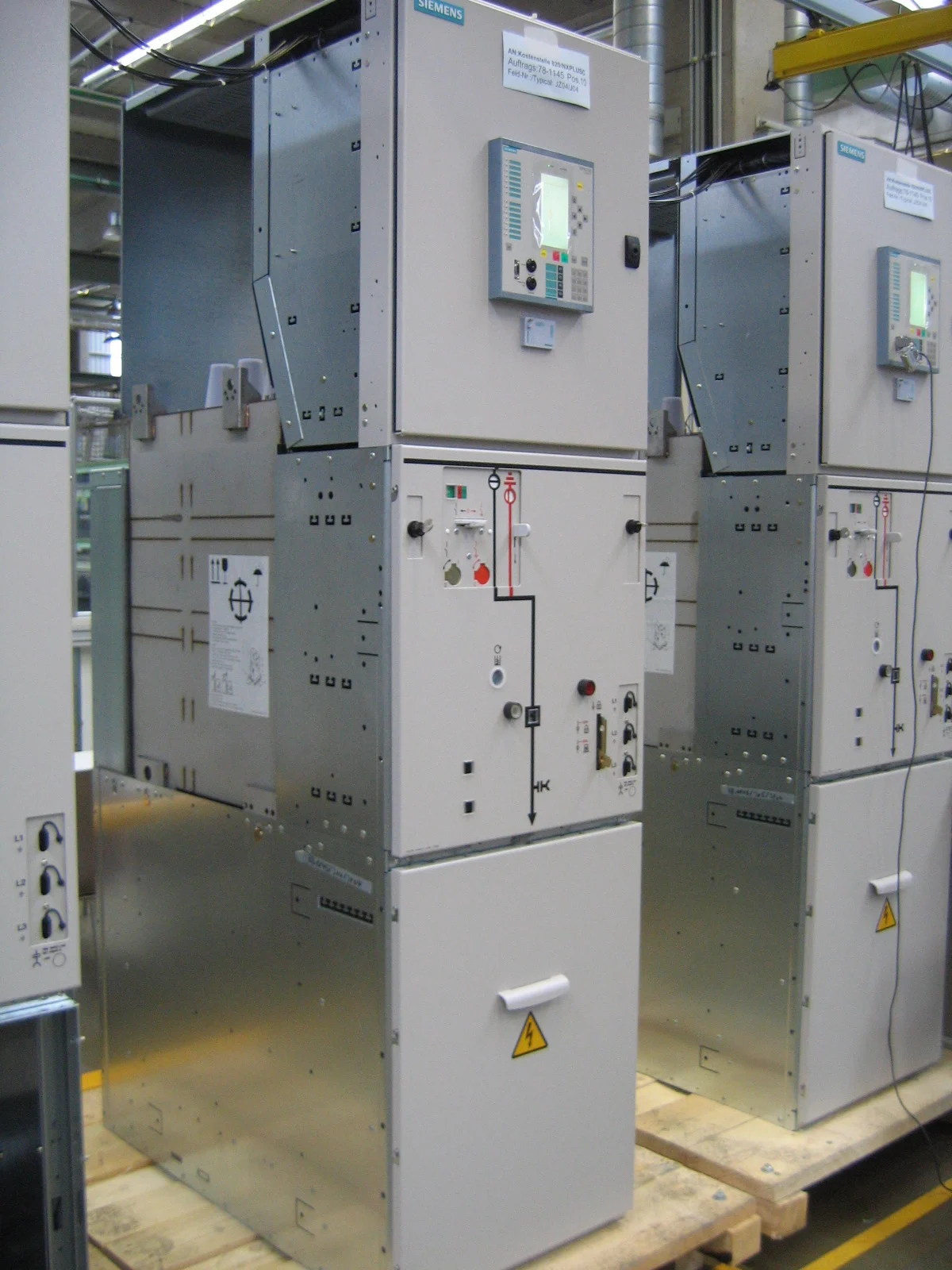
Nameplate, condition, included gear and pickup ZIP.
Equipment identification, value and agreed terms.
Preparation, loading and freight for accepted equipment.
These are manufacturer examples for identification—not a blanket list of interchangeable ratings or guaranteed purchase acceptance.
We buy eligible used and surplus arc-resistant metal-clad switchgear offered by sellers across the United States. A useful inquiry identifies the original lineup and the equipment being released with it. Include the manufacturer, series, section count and installed or stored status. Explain whether the sale covers a complete assembly, selected shipping sections or a project package that never entered service.
This page focuses on metal-clad gear documented as an arc-resistant design, rather than any enclosure fitted with an arc-flash warning label. Conventional metal-clad gear can look similar. Siemens specifically distinguishes GM-SG from its GM-SG-AR arc-resistant version. Send the full model designation from existing records so the purchasing discussion begins with the right equipment category.
IEEE C37.20.7 is the manufacturer-referenced test guide for internal arcing faults. Eaton describes Type 2 accessibility as arc-resistant features at the freely accessible exterior: front, back and sides. Type 2B adds protection in front of the instrument or control compartment with that compartment door open. These designations describe tested accessibility conditions, not the number of breakers or the voltage class.
ABB's SafeGear guide makes the door distinction explicit: for Type 2B, the instrument door may be open under the specified conditions, while other doors must remain closed and secured and covers must remain in place. Supply the documented accessibility type and available order-specific drawings. Do not infer Type 2B from a control door, retrofit relay or general safety sticker.
Arc-resistant does not mean arc-proof. Eaton describes an additional degree of protection under defined operating conditions, including closed and latched high-voltage doors, functioning pressure relief, proper grounding and fault current and duration within the equipment rating. Obstructions must not redirect arc products toward a protected area. An arc-resistant label is not a blanket exemption from personal protective equipment or site electrical-safety procedures.
For a used-equipment sale, identify the manufacturer's original designation without claiming that a surviving decal proves present compliance or performance. Changed doors, damaged latches, altered ventilation and rearranged sections deserve specific disclosure. Manufacturer documentation and qualified evaluation are relevant to any later reuse decision; a purchase inquiry alone does not establish that the equipment is ready for re-energization.
Report the known operating voltage separately from the assembly's maximum rating. A lineup formerly serving a 4.16 kV system may have a 4.76 kV rated maximum; 12.47 and 13.8 kV are nominal-system examples associated with 15 kV-class metal-clad equipment. Eaton publishes 4.76 and 15 kV maximum values for its referenced arc-resistant assemblies. Preserve the actual label instead of replacing it with the facility voltage.
Eaton's 5–15 kV arc-resistant guide lists 1,200, 2,000, 3,000 and 4,000 A main-bus examples, separately from breaker continuous current. Its 4,000 A breaker duty uses forced cooling. ABB SafeGear likewise makes its 4,000 A bus rating cooling-dependent. State which cooling equipment is included. Neither a large breaker nor a manufacturer's range establishes the capacity of every offered section.
The internal arc rating needs a duration and accessibility designation, not just a kA number. One Eaton table entry for a 15 kV maximum assembly lists Type 2B internal arc withstand at 40 kA rms symmetrical for 0.5 seconds. The same entry separately lists 40 kA rms symmetrical short-time short-circuit withstand for two seconds. These are different duties, even though the current values match.
Copy each rating with its description, units and time from available documentation. Keep breaker interrupting duty separate from enclosure internal arc withstand and assembly short-time withstand. ABB's guide includes different door designs for 10-cycle and 0.5-second arc-duration arrangements, illustrating why a generic series brochure cannot settle every installed unit's rating. Missing rating records should be identified as missing, not reconstructed from a similar lineup.
Exhaust components are part of the buying discussion, not incidental scrap attached to the roof. Siemens GM-SG-AR uses channels between sections that feed a top-mounted pressure-relief channel and an exhaust plenum carrying arc by-products outside. ABB SafeGear uses internal chambers, vents and flaps leading to a top-mounted plenum. Original arrangements determine which components belong with the assembly.
List the included plenum sections, elbows, outlet components and known mounting hardware. Identify pieces left at the building or stored apart from the gear. Supply existing exhaust-layout drawings and match loose pieces to their original positions where records allow. Do not describe a lineup as complete when its exhaust package is excluded, or assume unrelated ductwork can replace manufacturer-specific parts.
Disclose known internal arcing incidents, fire or water exposure, transport dents, corrosion and changes to doors or covers. A repaint does not resolve that history. Existing photographs can show damaged hinges, missing latch hardware or separated enclosure panels, but hidden condition should remain unknown unless supported by a dated inspection. Explain storage conditions since removal and distinguish unused surplus from previously operated equipment.
Identify the installed main, tie and feeder breakers, auxiliary drawers, protective relays and control-power equipment being sold. Include available breaker models, serial numbers and control-voltage records. List spare devices separately and note missing cooling fans or accessories. Maintaining the connection between section identifiers and original drawings is particularly useful when shipping splits have separated what was once a single tested arrangement.
Start with archived nameplate photographs, purchase documents, section schedules and dated service reports. Never open energized compartments, defeat interlocks, operate a breaker or remove covers to prepare a sales submission. Qualified electrical personnel must handle required isolation and access under the site's procedures. Send the records already available and explain gaps without approaching energized equipment for additional detail.
For the commercial review, state your authority to sell, location ZIP, availability and documented shipping dimensions or weights. Account for separate exhaust packages as well as cabinet sections. Discuss who handles disconnection, rigging, packing, loading and freight, including any costs deducted from the purchase amount. Confirm the included items and responsibilities in the accepted agreement; an inquiry does not promise pickup or acceptance.
Describe the arc-resistant lineup: manufacturer and full series, documented Type 2 or 2B, nominal and maximum voltage, bus and breaker amps, arc kA and duration, section count, included plenum parts, condition and changes. Add installed/removed status, location ZIP, availability and existing records only; never access energized equipment for this inquiry.
Use the short form—no extra technical questionnaire. Purchase and collection responsibilities are confirmed for accepted equipment.
Call (951) 903-9804Submit the equipment with that omission clearly identified. List the remaining pressure-relief and exhaust parts, and include the original exhaust drawings if available. Missing plenum components affect completeness and reuse review; the cabinet should not be advertised as a complete arc-resistant package when those parts are excluded.
No. Type 2B adds a specified instrument/control compartment door-open condition to Type 2 accessibility; it is not permission to open high-voltage compartments. Use existing photographs or safely accessible records. Do not open energized equipment or operate it to collect information for a sale.
No. A hazard warning does not establish IEEE C37.20.7 testing or an accessibility type. Provide the complete manufacturer model, assembly label and available order documents. Identify uncertain classification honestly rather than treating conventional metal-clad gear as arc-resistant because it carries a warning.
Describe the affected section, the replacement date if known, and any available manufacturer part or repair records. ABB's SafeGear documentation shows that door construction can depend on arc duration. Do not assume a similar-looking replacement preserves the original tested arrangement or that the old decal establishes current performance.
Yes, when reporting internal arc or short-time withstand duty. Include the rating description, voltage, current units, duration and accessibility type where applicable. Keep breaker interruption separate. A two-second short-time withstand entry should not be substituted for a 0.5-second internal arc rating.
Read the actual equipment records alongside the manufacturer references. Brand and product mentions do not imply dealership status or endorsement.