24.9 kV line-to-line
An identification example for 27 kV-class gear, not the equipment maximum or a compatibility determination. Report the facility voltage from existing records.
We buy eligible used and surplus 27 kV switchgear nationwide. Offer your identified lineup, separated sections or associated spare breakers with the actual voltage ratings, included controls and current condition clearly described.
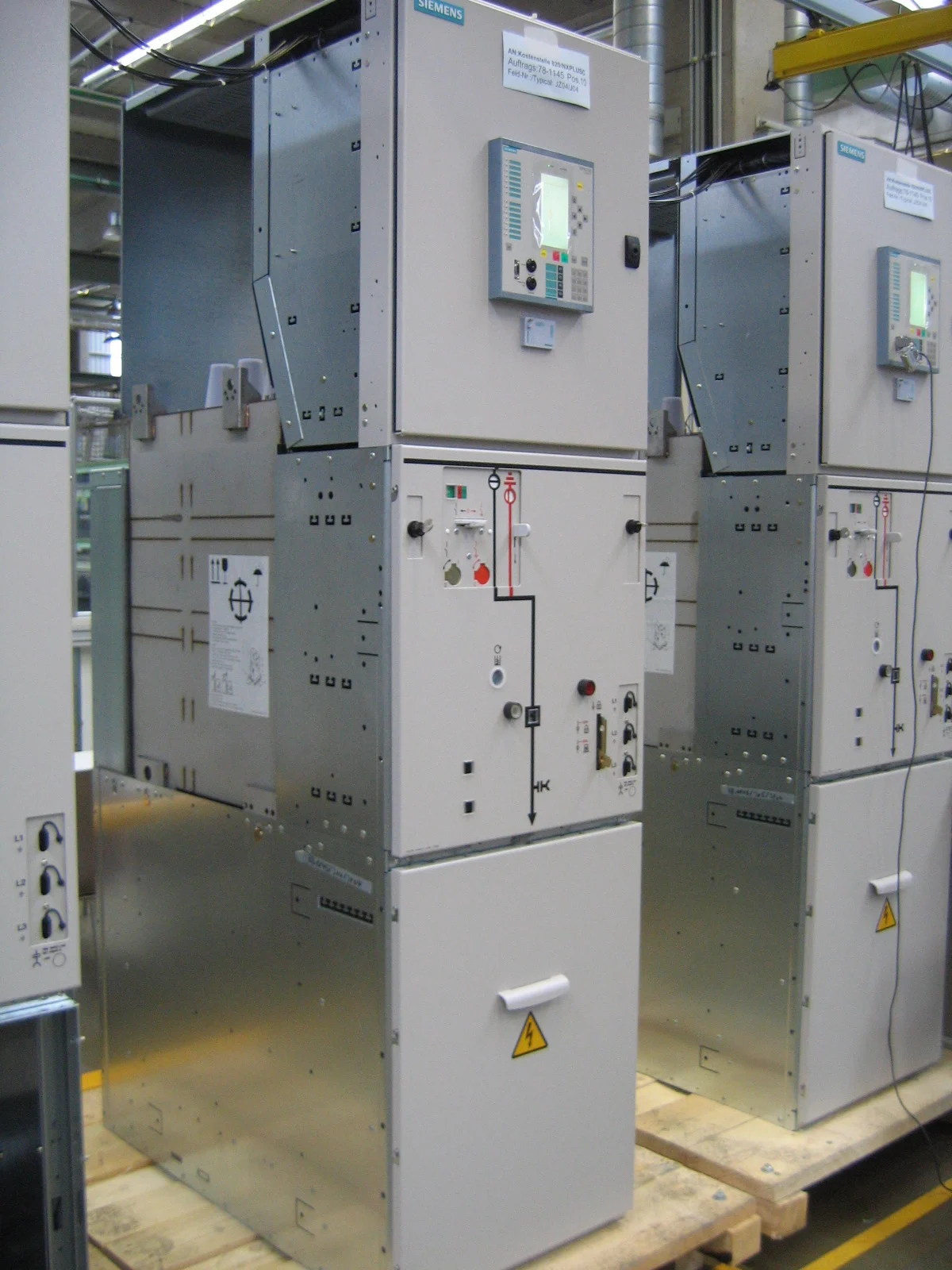
Nameplate, condition, included gear and pickup ZIP.
Equipment identification, value and agreed terms.
Preparation, loading and freight for accepted equipment.
These are manufacturer examples for identification—not a blanket list of interchangeable ratings or guaranteed purchase acceptance.
We buy eligible used and surplus 27 kV switchgear from sellers across the United States. Start with what you own: a complete metal-clad lineup, selected sections from an upgrade, unenergized project equipment or spare breakers associated with the assembly. Give the manufacturer, series and section count so the purchase review begins with a defined equipment lot rather than a voltage description alone.
Tell us whether the equipment remains connected, has been professionally isolated or is already in storage. Identify any sections or breakers reserved for another use. An original equipment list with your sale quantities marked beside it is useful when only part of a distribution lineup is available. Include the location ZIP and release date, and confirm your authority to sell the offered assets.
A 24.9 kV nominal line-to-line system is a useful identification example for 27 kV-class equipment. It does not replace the assembly's maximum-voltage rating. Siemens lists 27 kV maximum design voltage for its cited GM-SG designs and includes a 24,900/120 voltage-transformer ratio in the guide. Supply the known operating voltage and exact nameplate voltage description as separate facts; do not infer one solely from the other.
Preserve insulation and frequency information too. The cited Siemens 27 kV designs list a 125 kV peak basic impulse insulation level, commonly abbreviated BIL. That is an impulse-withstand designation, not another operating voltage. An existing nameplate image or factory specification can establish these details without rounding every value to the search term '27 kV.' If the original system voltage is unknown, leave it unknown.
Equipment encountered around this voltage class is not all metal-clad vacuum-breaker switchgear. S&C describes PMH as air-insulated pad-mounted gear offered at 25 kV, with a 600 A continuous main bus and 600 A Mini-Rupter load switches. Schneider's HVL/cc guide separately pairs a 24.94 kV nominal system with 25.8 kV maximum design voltage and lists a 600 A load-interrupter switch at that maximum. Neither description should be rewritten as a Siemens-style 27 kV breaker lineup.
S&C Vista is another distinct family: its specification lists 27 kV system class and 29 kV maximum voltage, with a standard 600 A bus and an optional 1,200 A copper bus. Individual switch and fault-interrupter ways have their own ratings. For a mixed sale, inventory these products separately with full catalog numbers. Similar system applications or nearby voltage numbers do not establish interchangeable assemblies, breakers, fuses or cable interfaces.
Siemens publishes self-cooled main-bus options of 1,200, 2,000, 2,500 and 3,000 A for its 27 kV GM-SG arrangements. The bus describes the assembly's continuous-current capacity; it does not tell a buyer the rating of every installed breaker. A 3,000 A bus may coexist with lower-current feeders. Identify the bus separately from each main, tie or feeder device on the available schedule.
Cooling is particularly important at the upper end of this example. Siemens describes a 2,500 A self-cooled breaker used for 3,000 A fan-cooled duty in an indoor arrangement, with the breaker below the fan equipment. List the fans, associated controls and auxiliary section as included or missing. Do not advertise a detached breaker as independently rated for that higher duty merely because its former lineup had a 3,000 A bus.
For Siemens equipment, retain the full GMSG breaker designation rather than shortening it to '27 kV vacuum breaker.' Send serial numbers and the original cell assignments from inventory records. Identify control-power voltage, protective-relay manufacturer and model, and any available wiring diagrams or saved settings files. These records help describe the package; a relay's pickup setting is not the breaker's continuous-current rating, and a shared voltage class does not prove a spare fits a cell.
Keep fault duty equally precise. Siemens lists 25 and 40 kA rms symmetrical interrupting examples for 27-GMSG breakers, with separate three-second short-time current entries. Closing-and-latching figures include different asymmetrical and peak values. Copy the rating type, units, applicable voltage and duration where stated. Report assembly ratings from assembly records, not by assigning the strongest spare breaker's rating to every section.
A buyer needs to know whether the offered package includes the original breakers, relay panels, voltage transformers, control-power equipment and operating accessories. Mark vacant positions on the section schedule and list loose spares separately. For separated shipping groups, describe the identified bus-joint parts, insulation pieces and end panels that remain with the lot. Distinguish a planned spare space from a compartment emptied before the sale.
Describe condition in concrete terms: never energized, previously operated, removed after a known fault, or stored with an uncertain history. Disclose water entry, corrosion, damaged insulation, missing cooling hardware and alterations recorded during service. Dated maintenance reports support the history only when their identifiers match the equipment. They do not establish present readiness after removal, transport or storage. Completeness and documented condition affect purchase interest alongside the exact product configuration.
Size can materially affect a 27 kV sale. Siemens' guide gives an approximate indoor GM-SG section example of 103 inches high, 36 inches wide and 120 inches deep; outdoor and arc-resistant arrangements differ. Treat published dimensions as identification context, not your lot's shipping dimensions or installation clearances. Supply order-specific drawings, documented weights and shipping-group sizes where available, including enclosure projections that affect transport access.
Use existing photographs, asset records and drawing packages for the initial inquiry. Never open energized compartments, remove barriers, rack breakers or operate switches to obtain sale details. Any electrical access or isolation belongs with qualified personnel under site procedures. A missing internal photograph can be explained; it is not a reason to expose someone to the equipment. Keep drawing identifiers visible when redacting unrelated facility information.
An ampere rating is not a purchase-price formula. A recognizable 27 kV package with matching breakers and documented controls presents a different transaction from disconnected cabinets with missing devices. Explain whether the equipment is anchored, how shipping groups are currently arranged and what loading access is available. Do not include a neighboring transformer, station battery or other equipment unless it is expressly part of your offer.
Before accepting terms, define who arranges electrical disconnection, separation, packaging, rigging, loading and freight. Compare the purchase amount with the costs and responsibilities you retain, rather than considering only the headline offer. The written agreement should identify the purchased assets, exclusions, payment terms and transfer arrangements. Nationwide inquiries are welcome; the location, access and preparation needed for your specific lot remain part of that review.
Offer your 27 kV lineup with manufacturer/series, exact voltage markings, known system voltage, bus amps, breaker IDs, cooling completeness, relay records, section quantities and condition. Add the location ZIP, release date, installed or removed status and documented shipping sizes. Use existing records and safely available photos only; never access energized compartments for this inquiry.
Use the short form—no extra technical questionnaire. Purchase and collection responsibilities are confirmed for accepted equipment.
Call (951) 903-9804Report both facts with their labels: 24.9 kV as the known nominal operating-system voltage and the equipment class or maximum exactly as documented. A 27 kV search description should not erase a different manufacturer maximum marking.
Yes, describe both ratings and include the original configuration records. The cited Siemens 27 kV example uses a 2,500 A self-cooled breaker for 3,000 A duty with specified fan cooling. State whether that cooling package remains; do not infer higher duty from the bus alone.
No. HVL/cc is a load-interrupter switchgear family with its own ratings and fuse arrangements. Identify it by manufacturer, catalog number and actual maximum voltage. Include it as a separate item in a mixed lot rather than labeling it as a vacuum-breaker section.
Existing relay model lists, wiring diagrams, control-power information and dated settings files help identify the installed controls. Match them to section and breaker identifiers. Do not change relay settings or energize equipment to create information for a sale inquiry; existing files describe the former arrangement, not approval for a new application.
Use them only as reference context. Shipping groups, outdoor enclosures, projections and attached accessories can change the actual envelope and weight. Provide order-specific drawings or other safely available documented measurements, and confirm loading and freight responsibilities in the transaction agreement.
Read the actual equipment records alongside the manufacturer references. Brand and product mentions do not imply dealership status or endorsement.