480 V nominal / 635 V maximum design
Siemens WL documents 480 V nominal systems and a 635 V maximum design rating for non-fused equipment. Record the actual values for each lineup; these are different fields.
We buy eligible used and surplus switchgear from plant closures nationwide. Submit seller-owned lineups, sections and spare breakers with a defined inventory, condition history and release schedule.
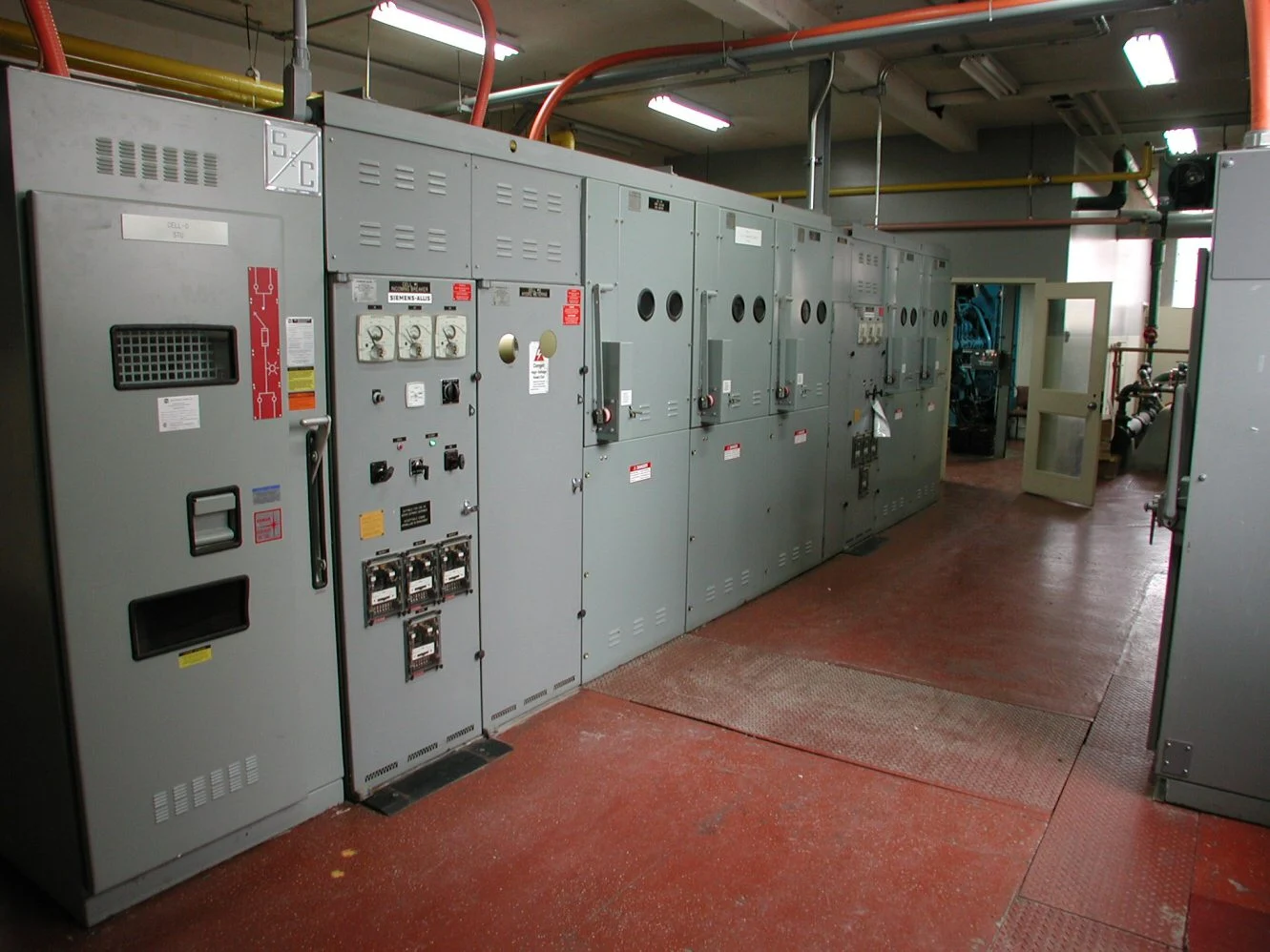
Nameplate, condition, included gear and pickup ZIP.
Equipment identification, value and agreed terms.
Preparation, loading and freight for accepted equipment.
These are manufacturer examples for identification—not a blanket list of interchangeable ratings or guaranteed purchase acceptance.
We buy eligible switchgear released by plant closures and decommissioning projects. Start with the equipment you intend to sell, not a general description of the property. A defined lot might contain the plant's main distribution lineup, a separate medium-voltage lineup and a storeroom of spare breakers. Identify those groups individually so the purchase inquiry describes electrical assets rather than implying acquisition of the entire facility.
Send the site ZIP, current installed or removed status and the planned equipment release date. Explain whether production has ended everywhere or some departments remain operational. A closure announcement does not mean every cabinet is available immediately. Early identification lets the commercial discussion use the same equipment boundaries and schedule as the seller's shutdown plan.
Identify the asset owner and the person authorized to approve the sale. A facilities manager, demolition contractor or tenant may know the equipment well without having authority to transfer it. Use available asset registers, purchase records and owner instructions to confirm the offered inventory. Where another party must release equipment, resolve that approval before including it in the agreed sale.
Exclude utility-owned equipment unless its owner has expressly authorized the transaction. Also mark landlord-retained assets, leased equipment and anything reserved for another project. A one-line diagram helps locate equipment but does not establish ownership. Keep a written excluded-items list beside the sale inventory, particularly when a service entrance, metering section or adjacent transformer lies near the switchgear being offered.
Give each offered lineup a consistent inventory identifier and connect it to the plant designation on the existing one-line diagram. For example, distinguish a low-voltage main lineup from a medium-voltage feeder lineup rather than labeling both as warehouse switchgear. Record the manufacturer, series, order or serial number and section count. Preserve the original section order in the inventory even after professional removal separates the cabinets.
Collect existing arrangement drawings, breaker schedules and connection diagrams where available. Eaton's Magnum DS manual identifies arrangement drawings and connection diagrams among the assembly documentation; its VacClad-W instructions likewise reference the customer drawing package. These records help explain main, tie and feeder positions. Redact unrelated facility information without removing the equipment identifiers needed to connect a drawing, photograph and report to the same asset.
A closure lot can contain several voltage classes and different assembly types. Siemens WL documentation provides 480 V nominal-system and 635 V maximum-design examples for non-fused equipment. Eaton's 5 kV-class VacClad-W equipment has a 4.76 kV maximum rating, with 4.16 kV a typical operating-system example. Enter the known operating voltage separately from the equipment maximum. Copy the assembly designation rather than treating every distribution cabinet as identical switchgear.
Record continuous bus amperes for each lineup: 2,000 A is a published Siemens WL option, while 1,200 A is an Eaton 5–15 kV VacClad-W option. Neither describes every breaker in that assembly. Keep low-voltage breaker frame, rating plug and trip-unit information separate; record medium-voltage breaker continuous current by device. For fault data, retain the rating type, kA units, applicable voltage and stated short-time duration. Do not total unrelated ratings across the lot.
State whether the offer includes the entire original lineup or only named sections. Identify installed main, tie and feeder breakers, empty positions and any devices the owner will retain. List relay panels, meters, control-power equipment and loose accessories that belong to the transaction. Separate spare breakers from installed inventory so a single device is not counted twice or mistaken for a missing lineup component.
For staged releases, attach an availability date to each inventory group and explain what remains in service between stages. Decide whether the proposal concerns one combined lot or separately released lots. Eaton's Magnum DS manual describes assemblies shipped in groups and loose shipping-split hardware. Preserve known group identifiers and associated parts during the site's professionally managed removal; do not assume disconnected sections or similar-looking breakers can be combined into a different assembly.
Closure equipment may include long-operated lineups alongside unused spare devices. Describe each group's actual history, including the last known service date, removal date and subsequent storage conditions. Note missing controls, modifications, corrosion, water exposure, overheating or reported failures. If contractors have already removed breakers or other parts, update the inventory to reflect what remains rather than relying on a pre-closure equipment list.
Supply dated maintenance or test reports with matching identifiers. A report from before shutdown is useful history, not evidence that equipment is presently ready for installation elsewhere. Current condition also depends on what happened during removal and storage. Eaton's Magnum DS manual warns that shipping protection is not suitable for outdoor storage and that outdoor assemblies are not weatherproof until fully assembled. Disclose exposure affecting separated groups.
Use archived photographs, safely available exterior labels and existing documents for the initial inquiry. Never open energized compartments, remove covers, operate gear or rack breakers to obtain sale details. The seller should coordinate qualified electrical professionals through the site's safety procedures for isolation and any access requiring electrical work. Identify the responsible site contact; a purchase discussion is not an instruction to begin disconnection.
OSHA's electrical work-practice standard addresses isolation from energy sources, stored energy and verification by a qualified person, including possible backfeed. A building described as closed or a breaker described as off does not establish a safe working condition. Share the planned professional isolation milestone with the buyer, but leave electrical procedures and verification to the responsible personnel. Record access restrictions that will remain during shutdown.
Provide documented dimensions, weights and shipping groups along with the available loading route, door clearance, dock arrangements and site access hours. Eaton's Magnum DS manual identifies order numbers and shipping weights with shipping groups. Existing shipping records can help describe the lot without guessing a rigging plan. Explain whether equipment is still connected or anchored and whether other closure contractors control access to it.
Compare proposals using the equipment included and the costs each party bears. The written agreement should assign electrical disconnection, separation, packaging, rigging, loading and freight responsibilities, along with payment terms and the agreed transfer point. Define whether cables, loose hardware and operating accessories are included. Resolve deadlines and access conditions before work begins; a headline purchase amount alone does not show the seller's net proceeds or establish a pickup commitment.
Describe the plant-closure lot and identify the asset owner or authorized seller. Add lineup identifiers, section and breaker inventory, exclusions, voltage and bus ratings from existing records, condition, release dates, site ZIP and loading scope. Use existing drawings or safely available photos; never access energized equipment for sale information.
Use the short form—no extra technical questionnaire. Purchase and collection responsibilities are confirmed for accepted equipment.
Call (951) 903-9804Yes. Identify the equipment available now and the groups planned for later release. Give each group its own status and expected date, and state whether you want one combined transaction or separate lot reviews. Do not describe equipment still needed for operations as immediately available.
Mark it as excluded unless the utility owner has authorized its sale. Confirm ownership boundaries through available records and the responsible parties. Equipment location or inclusion on the plant one-line does not by itself establish the seller's authority to transfer it.
Maintain an inventory that links each section to the original lineup designation, section order and manufacturer identifiers. Match existing drawing references and keep associated loose parts identified with their group. Any physical labeling or access must follow the site's safety procedures; separation does not establish compatibility with another lineup.
No. Confirm the actual work scope with the parties involved. Electrical isolation, removal, rigging, loading and freight may have different responsible providers. Put the assignments and access arrangements in the equipment sale agreement rather than assuming they are included in a demolition contract or purchase proposal.
No. Define the electrical equipment inventory and exclusions separately from any property transaction. List the lineups, sections, installed devices and spare equipment offered, and identify the authorized seller. A switchgear inquiry does not establish a commitment to acquire the facility or everything on site.
Read the actual equipment records alongside the manufacturer references. Brand and product mentions do not imply dealership status or endorsement.