01
Sell your electrical switchgear before treating it as scrap
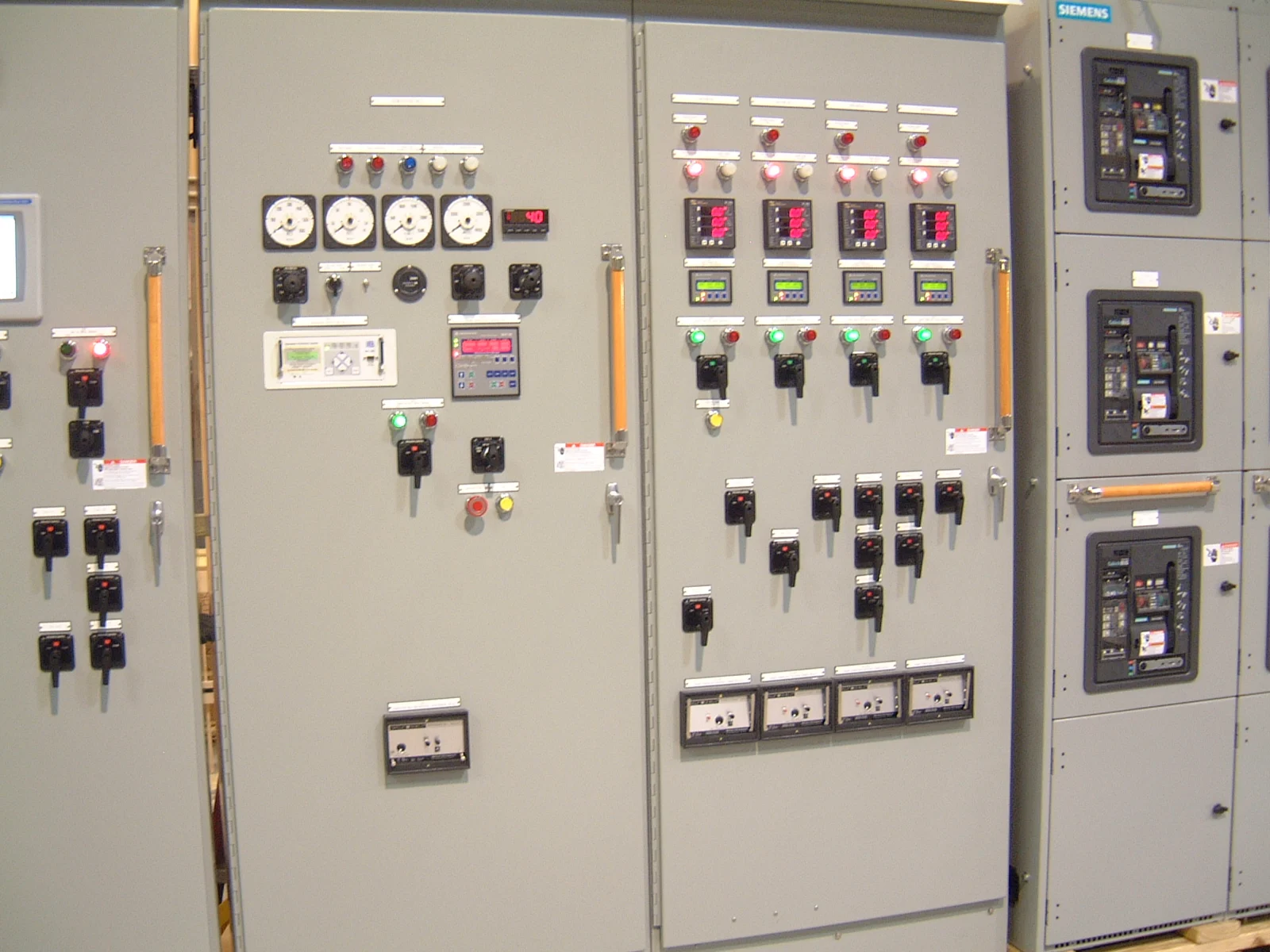
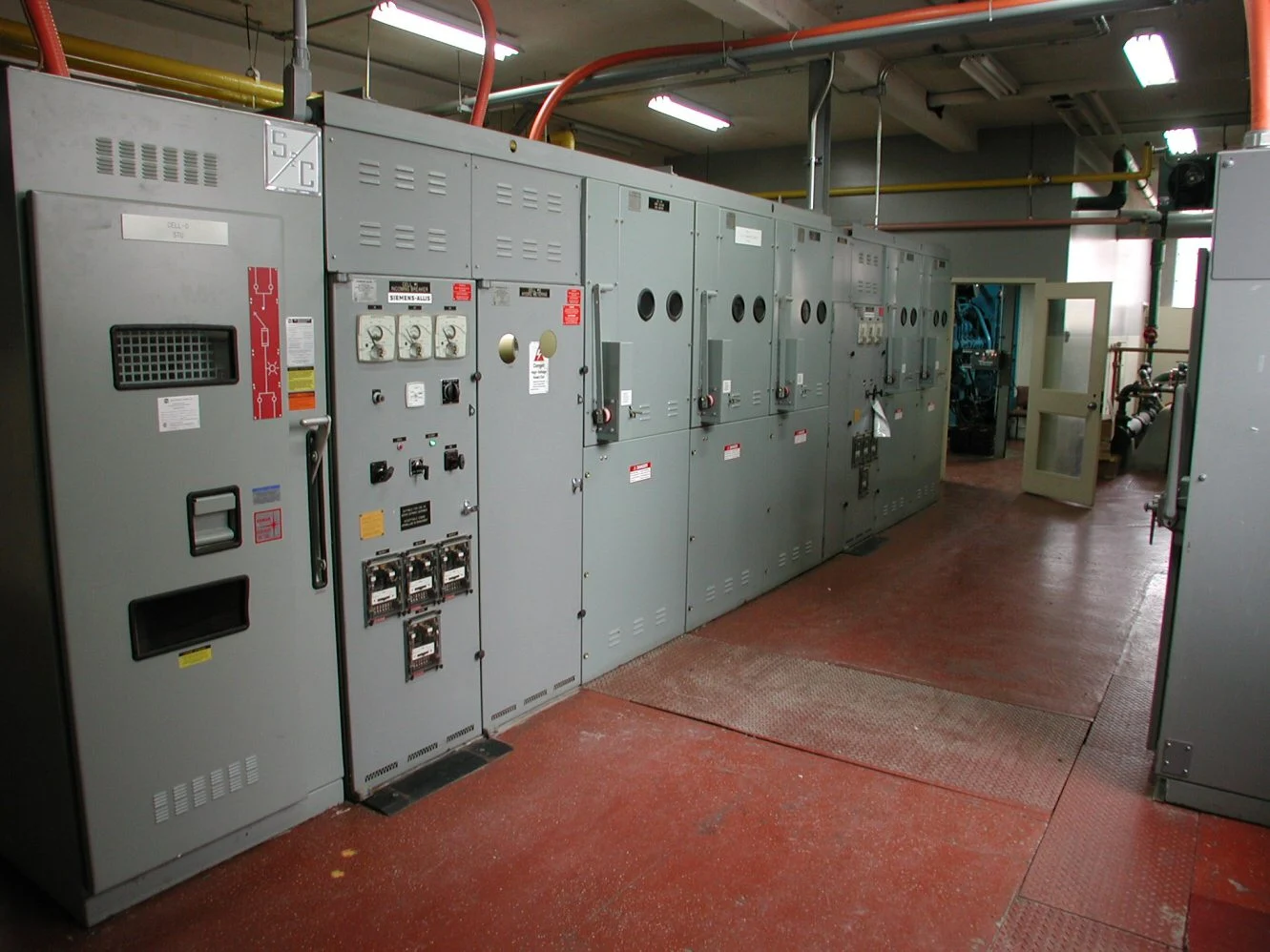
We buy eligible used and surplus electrical switchgear. If your business has an unused lineup, a canceled-project order, removed equipment or spare sections taking up warehouse space, start with a purchase review. Complete gear can have equipment or component value beyond its metal weight. A buying decision still depends on identification, condition, demand and the cost of moving the equipment. A high amp rating alone does not establish a price.
You can submit a single section or describe an entire facility lot. Tell us whether breakers, relays, meters, keys and accessories are included, and whether the lineup is complete. Send the manufacturer, model and photos you already have. You do not need to decide the final resale or recovery route before contacting us. Keep reusable components together until the sale scope is agreed.
02
What type of switchgear do you have?
Low-voltage power circuit breaker switchgear, medium-voltage metal-clad switchgear and metal-enclosed load-interrupter gear are distinct categories. Indoor versus outdoor describes the installation or enclosure, not the entire electrical design. Drawout versus fixed breakers, air versus gas insulation, and arc-resistant construction are additional identifying features. Record those features when they appear on existing drawings or nameplates; do not infer them from cabinet color.
Switchboards are often called switchgear in everyday conversation, but the labels are not interchangeable. In US applications, UL 1558 covers metal-enclosed low-voltage power circuit breaker switchgear, while UL 891 covers switchboards. Typical switchgear power breakers and switchboard molded-case breakers also follow different standards. If you are unsure, send the actual label instead of guessing. Describe switchboards and loose breakers separately in a mixed equipment lot.
03
Low-voltage switchgear: identify the system voltage and bus amps
Common nominal systems listed in Siemens WL documentation are 208 V, 240 V, 480 V and 600 V. The same documentation distinguishes maximum design voltage, including 635 V for non-fused breakers, from nominal operating voltage. An equipment label showing 635 V therefore does not mean the facility operates a 635 V nominal system. Provide the printed rating and the operating voltage if it is known.
Siemens WL publishes bus options of 1,600, 2,000, 3,200, 4,000, 5,000 and 6,000 A. Its breaker-frame examples extend from 800 to 6,000 A. Other designs differ: Eaton Magnum DS documentation includes larger cross-bus options. These are manufacturer examples, not a statement that every combination exists or that every unit qualifies for purchase. An 800 A feeder breaker does not tell us the continuous-current rating of the complete lineup.
04
Medium-voltage switchgear: 5 kV through 38 kV classes
Medium-voltage metal-clad equipment commonly identifies its family by a 5, 15, 27 or 38 kV class. ABB Advance lists all four classes. A class designation is not necessarily the exact voltage at which the equipment operated; Eaton VacClad-W documentation, for example, uses a rated maximum voltage of 4.76 kV for its 5 kV-class family. Send the assembly rating and any known system information as separate facts.
For 5–15 kV VacClad-W equipment, Eaton lists headline continuous-current ratings of 1,200, 2,000, 3,000 and 4,000 A. Cooling and product design matter at the higher ratings. A fan-cooled application is not the same as an otherwise similar uncooled lineup. Higher-voltage products have their own available ratings. Include breaker type, bus rating, protective-relay models, control voltage and drawings if available. Do not assume two 15 kV sections from different manufacturers will connect or interchange.
05
Load-interrupter and pad-mounted equipment have different ratings
Metal-enclosed load-interrupter switchgear typically combines a switching device with power fuses. Schneider Electric identifies its HVL family as air-insulated load-interrupter equipment and lists products up to 1,200 A at 38 kV. A load switch and a vacuum circuit breaker are not the same device: the fuse arrangement and fault protection must be identified separately from the switch continuous-current rating.
S&C PMH pad-mounted examples use a 600 A main bus and 600 A Mini-Rupter switches at 14.4 or 25 kV, with different ratings for individual fuse circuits. That does not make them equivalent to a 3,000 A metal-clad lineup. Other pad-mounted equipment may use sealed gas insulation or different interrupters. Tell us the specific series, insulation medium if known, switch and fuse arrangements, enclosure condition and whether the equipment includes all original compartments.
06
Amps, breaker frame, trip settings and fault kA are not one number
The assembly bus rating describes continuous current. A breaker frame identifies its maximum frame capability, while a rating plug and trip unit can determine rated current and protective settings within that capability. A seller may therefore have a 3,200 A bus with smaller feeder breakers and different settings. List the bus, main breaker and important feeder ratings separately whenever those records are available.
A short-circuit or interrupting rating stated in kA is another specification. It is not normal load current, and the associated voltage and test basis matter. Short-time withstand also includes a duration. Do not multiply a fault rating into an equipment size or use it as a price shortcut. Send a clear photograph of the full ratings label rather than a cropped image showing only the largest number. Unknown details can be clarified after the initial review.
07
What affects a switchgear purchase offer?
Brand, model, age, physical condition, completeness and demand affect the commercial review. Identify equipment marked Square D or Schneider Electric, Eaton or Cutler-Hammer, Siemens, GE, ABB or Westinghouse by its actual series and catalog information. A legacy brand name alone does not establish compatibility, and naming a manufacturer here does not imply an authorized dealership or service relationship.
Disclose missing breakers, water exposure, fire damage, corrosion, alterations and known operating faults. Existing test reports, one-line drawings and a section schedule help distinguish a complete working removal from an untested parts lot. Describe new surplus, installed-but-unused, removed-working and damaged equipment honestly. Freight, section dimensions, approximate weights, loading access and the number of shipping splits influence the net transaction. There is no universal dollar-per-amp price.
08
Send photos now; agree on removal and sale terms before moving it
Start with your name, phone number, pickup ZIP and a short description. Optional photos should show the complete lineup, a readable existing nameplate and visible equipment condition. Include voltage, bus amps, breaker models, quantity and whether the gear is still installed if you know them. For a large project, describe the number of sections in the message; a default form quantity is not a confirmed section count.
Use existing photographs and records. Do not open energized compartments, remove covers, rack breakers or operate the equipment to obtain sale information. Qualified personnel must handle electrical isolation and any removal work. Contacting us before disconnection is possible, but it is not a promise that we perform electrical work. Confirm what is included, inspection conditions, payment, loading, freight and pickup responsibilities in the accepted transaction. Nationwide inquiries are welcome; collection depends on equipment and location.