480 V AC, three-phase
480 V is a nominal-system option in Siemens WL specifications. Report the documented wire configuration, grounding and frequency separately.
We buy eligible used and surplus 480 volt switchgear nationwide. Submit your distribution lineup, available sections or identified power breakers with the actual equipment ratings, included components and sale location.
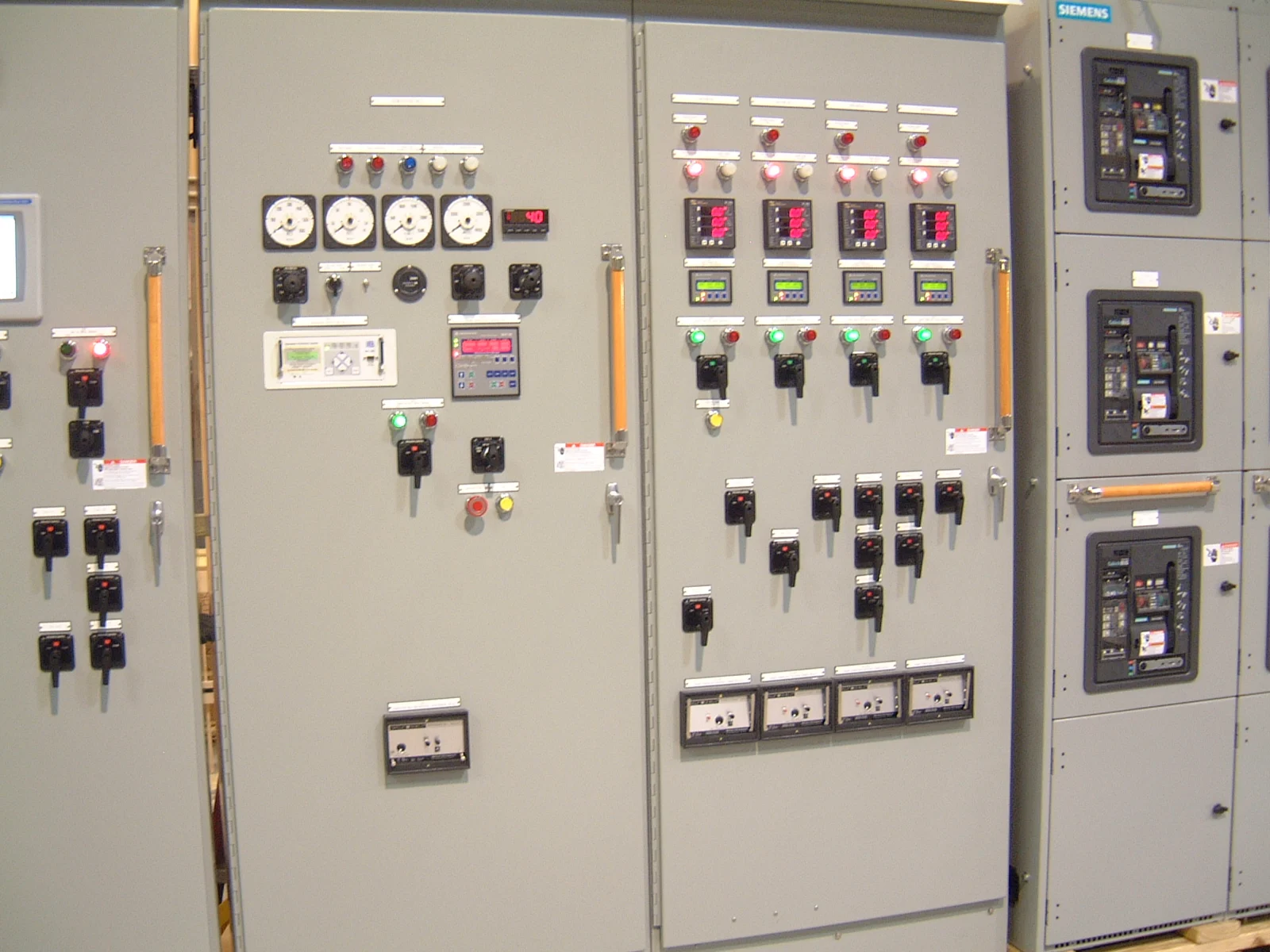
Nameplate, condition, included gear and pickup ZIP.
Equipment identification, value and agreed terms.
Preparation, loading and freight for accepted equipment.
These are manufacturer examples for identification—not a blanket list of interchangeable ratings or guaranteed purchase acceptance.
We buy eligible 480 volt switchgear from sellers with used equipment, replacement-project leftovers or unused surplus. Start by defining the lot: a complete distribution lineup, selected sections, or breakers separated from their original gear. Identify the manufacturer, product series and assembly number, then give the location ZIP, installed or removed status and expected release date.
A facility description helps explain the equipment without substituting for identification. Your records might describe a 480 V plant distribution lineup, a building service or a critical-power system. State its former role and whether the sale includes all associated sections. Do not assume that every cabinet downstream of the same transformer belongs to the switchgear lot.
The phrase 480 volt describes the nominal operating system, not every voltage printed on the equipment. Eaton's April 2019 Magnum DS guide pairs a 480 V system with a 508 V maximum. Siemens WL specifications separately offer a 480 V nominal system and identify maximum design ratings of 635 V with non-fused breakers or 600 V with fused breakers. Copy both fields rather than replacing the operating voltage with the largest marking.
Use the plant one-line or original specification to report three-phase service, three-wire or four-wire configuration, grounding and frequency. Siemens documents several system arrangements, so 480 V alone does not settle those details. If the drawing shows a neutral, retain that information in the submission. A recorded maximum voltage helps identify the design; it does not prove that another lineup, breaker or proposed application is compatible.
Both switchgear and switchboards can distribute power at a facility using 480 V. Eaton identifies UL 1558 with metal-enclosed low-voltage power circuit breaker switchgear and UL 891 with switchboards. The assembly label or original manufacturer drawing is a better classification record than cabinet size, a floor-mounted appearance or the word switchgear on a maintenance spreadsheet.
Power circuit breakers in this switchgear category follow UL 1066; typical switchboard molded-case and insulated-case breakers follow UL 489. Include the stated assembly standard and breaker designation when available. A mixed sale should identify the switchboard separately instead of assigning one classification to everything. When a label is unreadable, provide the known series and records without inventing a listing.
For a main-tie-main arrangement, identify each incoming main, the tie breaker between bus sections and the feeders leaving each side. For a single-main lineup, show the main and its downstream sections. These arrangements are useful inventory descriptions, not instructions to operate the gear. An existing one-line can explain the layout while a section schedule connects each breaker position to the physical equipment being sold.
Mark which devices remain in the lot. If the tie breaker was retained as a plant spare or one feeder section was removed previously, disclose that difference from the drawing. List meters, control power components, interlocks and operating accessories that accompany the lineup, along with loose connection parts from documented shipping splits. Identify an upstream transformer, motor control center or downstream panel as a separate asset rather than silently including it.
The assembly's continuous bus current is its own identifier. The cited Siemens WL and Eaton Magnum DS guides include 2,000, 3,200 and 4,000 A bus options. Record the actual bus rating for each documented portion of your lineup. Two separately identified bus sections should not become one advertised capacity by adding their amperes, and an 800 A outgoing breaker does not define the entire assembly's bus rating.
For each main, tie or significant feeder, separate frame size from installed rated current and trip settings. Siemens WL offers a 1,200 A rating plug for its 1,600 A frame; that example shows why a frame marking alone is insufficient. Provide the trip-unit model and existing setting records, if available. Do not adjust protection or remove a plug to complete a sales inquiry.
A breaker interrupting rating belongs to a specified voltage. Siemens' WL guide lists a 1,600 A H-class UL 1066 breaker at 85 kA rms in its 508 V column and 65 kA in its 635 V column. Those columns distinguish duty associated with 480 V and 600 V nominal systems. Do not carry the higher figure into a 600 V description or omit the voltage when listing a spare breaker.
Assembly short-circuit current rating, also called SCCR, is separate from breaker interruption. Short-time withstand adds a time requirement; preserve seconds or cycles from the record. Eaton explains that the lowest-rated installed breaker can limit the assembly rating. Therefore, neither a bus-bracing figure nor the highest kA marking on a main breaker should be advertised as proof of the complete lineup's fault capability.
Describe whether the gear was never energized, remained installed after a shutdown or was removed following service. Include the last known operating date and storage conditions. Disclose documented water intrusion, corrosion, overheating or fault damage. A statement that the 480 V system operated before removal is useful history, but it is not a current test result or assurance of readiness for another installation.
Identify replaced breakers, changed trip units, added controls and missing covers against the original records. Dated maintenance reports are most useful when their serial numbers match the offered equipment. Explain changes made after those reports. Completeness and traceable identification affect purchase interest because a recognizable exterior can still contain missing devices or undocumented alterations.
Submit existing nameplate images, the relevant one-line, section drawings and a current inventory. Never open energized compartments, remove barriers, rack breakers or take electrical measurements to obtain sale information. Any access requiring electrical work belongs with qualified personnel under the site's safety procedures. Send available records and mark missing fields unknown; redact unrelated plant information without removing the identifiers needed to connect the documents to the lot.
For commercial review, include documented dimensions and shipping weights, loading access and whether sections remain anchored or connected. Manufacturer size examples are not the actual weight of your shipment. Compare the net transaction after preparation, rigging, loading and freight responsibilities are defined. Confirm who handles disconnection, which breakers and accessories transfer, payment terms and the release schedule in the agreement. A purchase inquiry does not itself promise removal service or pickup.
Describe the 480 V lot, manufacturer/series, nominal and maximum voltage, bus amps, and included mains, tie and feeders. Add condition, location ZIP, release date, installed or removed status and loading arrangements. Attach existing labels and drawings only; do not open or operate energized equipment for this inquiry.
Use the short form—no extra technical questionnaire. Purchase and collection responsibilities are confirmed for accepted equipment.
Call (951) 903-9804Submit the exact assembly label together with the documented operating voltage. Siemens WL specifications distinguish 480 V nominal operation from a 635 V maximum on non-fused designs. The maximum marking alone does not establish the system voltage, assembly classification or compatibility.
No. Identify each bus section and its documented rating rather than adding two ampere values into a new lineup rating. Include the one-line and identify the main and tie breakers so the sale inventory reflects the original arrangement.
No. List the transformer and any motor control centers or downstream panels as separate assets, then state which ones you intend to include. Being connected to the same distribution system does not make them part of the switchgear assembly or the agreed purchase.
Keep each figure with its stated voltage and rating type. A breaker can have a higher interrupting rating at the voltage associated with a 480 V system than at the voltage associated with a 600 V system. Send the complete existing label or manufacturer record, not just the largest kA number.
Yes, describe it as an incomplete lot for purchase review. Identify the empty tie position, included mains and feeders, and any missing controls or connection parts. Mark the difference on an existing section schedule so the original drawing is not mistaken for the current sale inventory.
Read the actual equipment records alongside the manufacturer references. Brand and product mentions do not imply dealership status or endorsement.