Send the basicsNameplate, photos, condition and quantity
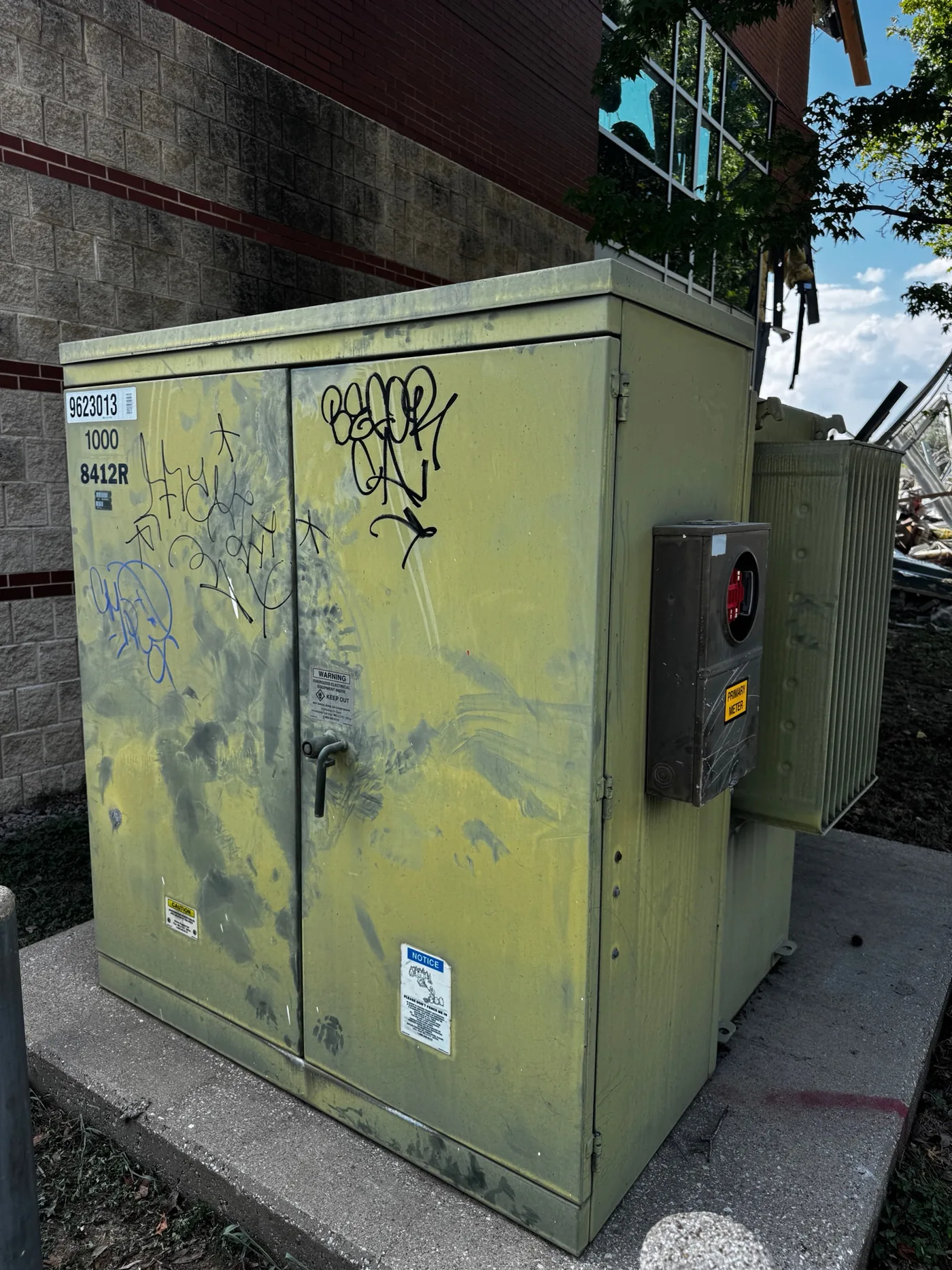
Sell used, surplus and scrap electrical transformers
Transformer Buyers in Virginia
Have electrical transformers to sell in Virginia? Recycling Transformers evaluates surplus, used, failed and scrap units for purchase and recycling. Send the nameplate, photos, quantity and pickup ZIP. We review the equipment and loading requirements before confirming an offer or pickup plan.
- Single units and multi-unit inventory
- Pad-mount, dry-type, power and pole-mount
- Purchase and pickup evaluated together
Tell us the locationPickup ZIP, access and release timing
Review the next stepPurchase, recycling and collection options
Before you sell
What affects a transformer offer in Virginia?
The complete equipment and collection cost matter—not just the weight of the enclosure.
Ratings and reuse
Send kVA or MVA, primary and secondary voltage, phase and manufacturer. Matching a unit to demand may create value beyond its scrap materials.
Condition and completeness
Identify new surplus, removed-working, failed or damaged equipment. Include missing parts and available test history without guessing at operating condition.
Fluid and records
Tell us whether the unit is dry-type or liquid-filled. Provide existing oil and PCB records; unknown status is a fact to clarify, not something to hide.
Loading and freight
Provide the Virginia ZIP, dimensions or weight if known, and site-access photos. Quantity, distance and lifting requirements influence collection feasibility.
Authentic transformer equipment
The equipment details a buyer needs to see
These owner-supplied photographs show complete transformers and visible equipment condition. For your Virginia inquiry, send your own full-unit and nameplate photos. The gallery illustrates equipment types, not a local yard or a claim that these units were collected in Virginia.
Send your transformer photos


Sell used, surplus and scrap transformers in Virginia
Recycling Transformers evaluates electrical transformers from contractors, industrial facilities, utilities, property owners and equipment dealers in Virginia. Purchase inquiries can include new surplus inventory, removed-working units, inactive spares and failed equipment. Pad-mounted, pole-mounted, dry-type, power and substation transformers need different evaluations, so identify the equipment rather than treating every unit as mixed scrap. A complete transformer may have reuse or component value as well as recoverable metal. Tell us whether you are selling one unit, clearing a storage yard or releasing equipment from a larger project. The review considers both the asset and what it will take to collect it.
Start with a readable nameplate photo and two or three photographs of the complete transformer. Include quantity, known condition and the Virginia pickup ZIP. If available, share manufacturer, kVA or MVA rating, primary and secondary voltage, phase, dimensions, weight and existing test records. For liquid-filled units, include known fluid information and PCB documentation; use “unknown” where records are missing. Describe whether the unit is disconnected, who owns it and whether loading equipment is available. You do not need to have every technical answer before contacting us. Existing photographs and records are enough to begin a conversation without opening or moving equipment.
Virginia Environmental Context: Records Matter More Than Assumptions
Virginia Department of Environmental Quality (DEQ) states that a generator is responsible for determining whether its waste is hazardous and for managing hazardous waste from cradle to grave. DEQ also explains that the Virginia Hazardous Waste Management Regulations cover generator, accumulation, transportation, treatment, storage, and disposal requirements. That is meaningful context for a transformer disposition review: labels, service history, inventory information, existing analytical records, and paperwork concerning oil or prior maintenance can materially change the conversation. RecyclingTransformers.com does not classify a transformer or its contents, decide a waste determination, interpret a permit, or provide legal or environmental compliance advice. The owner or other regulated party must obtain qualified guidance where a determination is required.
Polychlorinated biphenyls, commonly called PCBs, are a federal issue that should not be inferred solely from a transformer’s age or appearance. EPA’s PCB disposal and storage guidance points owners to the applicable rules and to approved commercial storage or disposal facilities. It also notes that PCB transformer owners must register applicable transformers with EPA. Existing documentation may therefore be important to an initial review, but the absence of a record is not a conclusion about status or downstream eligibility. Do not open, drain, sample, disconnect, or move equipment to answer our questions. Keep the inquiry limited to information already available and engage properly qualified parties and the relevant agencies for environmental, electrical, handling, transportation, storage, or disposal questions.
Virginia Logistics: Corridor Conditions Inform, But Never Guarantee, a Plan
VDOT describes Interstate 81 as a 325-mile north-south freight backbone in Virginia and identifies rolling terrain, limited detour routes, and incident-related delays as reliability constraints. Those statewide conditions help explain why a transformer review needs the actual pickup address, dimensions, estimated weight, release timing, loading arrangement and known access limits. They do not establish that a route is available or that a carrier can accept the load. Responsible transportation providers and authorities must evaluate the specific movement, including any corridor, bridge, local-road or permit considerations that apply.
Hampton Roads adds a separate multimodal context. The Virginia Port Authority reports six terminals and 30 miles of on-dock rail, while VDOT describes Virginia Inland Port at Front Royal as an intermodal facility linking rail-borne containers from the Port of Virginia to trucks or trains. These public assets demonstrate that Virginia has significant freight infrastructure, not that transformer equipment belongs in port or rail channels. A transformer review remains site-specific: property access, asset condition, loading constraints, scheduling, receiving-facility acceptance, and any applicable regulatory requirements must be evaluated by responsible, qualified parties. RecyclingTransformers.com does not operate freight infrastructure or guarantee carrier availability, routing, rigging, removal, or statewide coverage.
Selling or Recycling a Transformer: Separate Commercial Questions From Management Duties
For Virginia sellers, commercial-evaluation information should remain separate from management and compliance questions. Manufacturer, model, electrical rating, quantity, condition history, ownership authority and existing marketability records can support a possible resale review. Oil information, PCB records, release history, storage condition and downstream requirements can affect whether recycling or another managed route deserves consideration. Neither an online inquiry nor a buyer conversation changes the owner’s obligations, classifies the equipment, approves a destination or authorizes physical work at the site.
The practical goal is clarity before commitments are made. Virginia DEQ notes that regulated entities bear responsibility for identifying potentially generated hazardous waste and retaining the data used for a determination. That guidance supports a records-first approach without turning a buyer inquiry into a compliance determination. If the available information suggests an unresolved environmental, safety, ownership, or access issue, the appropriate outcome may be to pause commercial review and seek qualified assistance. We do not give legal advice, certify compliance, or tell anyone how to handle equipment. We also do not promise that a transformer is purchasable, recyclable, transportable, or eligible for a particular downstream outlet.
Request a transformer purchase evaluation in Virginia
Include the actual equipment location when requesting a Virginia evaluation. Regional references in this guide include Northern Virginia, Richmond metropolitan area, Hampton Roads, Shenandoah Valley, Charlottesville area, Roanoke Valley, Southwest Virginia. The pickup ZIP and access details are more useful than a city name alone. A facility yard, basement, equipment vault or substation can require very different loading arrangements. Tell us whether a gate, doorway, overhead obstruction or soft ground limits access, and provide documented dimensions and weight when available. For units still in service, include the expected release window and the authorized site contact. These facts let equipment value and collection requirements be considered together before a transaction is confirmed.
Call Recycling Transformers or send your equipment details through the simple inquiry form. For a single transformer, share your contact number, the Virginia pickup ZIP and available photographs. For a lot, number each unit and match its nameplate image to the inventory list. We review rating, condition, reuse or recovery potential, fluid records and collection requirements. Any offer should identify the equipment included, inspection conditions, payment terms, loading responsibility and freight arrangements before release. Purchase and pickup depend on that confirmed scope. Keep the transformer intact and let qualified electrical, environmental and lifting professionals handle any work the site requires.
Sell your electrical equipment
All transformer buyer information Get buyer information for your transformer type

Pad-mounted transformer buyers
Cabinet condition, voltage, fluid records and pickup from the equipment pad.
See what to sendDry-type transformer buyers
Nameplate ratings, condition, enclosure and indoor loading access.
See what to send
Scrap transformer buyers
Failed units, intact equipment, recoverable materials and collection costs.
See what to sendOfficial references
Virginia environmental and transport resources
These sources explain the state-specific context below. Qualified professionals should confirm requirements for the actual equipment and site.
Virginia Department of Environmental Quality — Hazardous WasteOfficial Virginia overview of hazardous-waste definitions, generator responsibility, state regulation, and the Virginia Hazardous Waste Management Regulations.Virginia Department of Environmental Quality — Hazardous Waste DeterminationsOfficial guidance explaining that regulated entities must identify potentially generated hazardous waste and retain determination data.Virginia Department of Transportation — I-81 Corridor Improvement PlanOfficial corridor planning material on I-81 freight significance, reliability constraints, and Virginia Inland Port intermodal context.Virginia Port AuthorityOfficial Commonwealth profile of the Port of Virginia’s terminals, rail infrastructure, and freight role.U.S. Environmental Protection Agency — Disposal and Storage of PCB WasteOfficial federal information on PCB disposal facilities, commercial storage approvals, and PCB transformer registration.
Seller questions
Before selling a transformer in Virginia
Start with existing photographs and records. Do not open, drain, disconnect or move equipment just to obtain a quote.
Can I sell used or scrap transformers in Virginia?
Send used, surplus, failed or scrap electrical transformers for a purchase evaluation. Include nameplate photos, quantity, condition and pickup ZIP. We compare reuse or recovery potential with fluid records and loading requirements, then discuss purchase and collection options for equipment that qualifies.
How do PCB and oil records affect a Virginia transformer recycling inquiry?
They can affect the appropriate review path and the questions that qualified parties may need to resolve. Virginia DEQ places hazardous-waste determinations with the generator, and EPA maintains PCB disposal, storage, and transformer-registration guidance. We do not classify equipment, determine legal status, or give compliance advice. Share existing records only, and use qualified professionals or relevant agencies when management, testing, storage, transportation, or disposal issues require an authoritative answer.
What determines transformer pickup availability in Virginia?
Pickup planning considers the transformer rating, condition, quantity, location, documented weight, dimensions and loading access. Describe the route to the truck and any required electrical or fluid work. Purchase terms, loading responsibility, freight and timing must be confirmed before release; an inquiry alone is not a pickup commitment.
What information helps with a Virginia transformer buyer or recycling review?
Useful material includes existing nameplate or manufacturer records, exterior photographs already safely available, an asset list, general location, timing, ownership status, known history, and existing service or environmental documentation. Do not open, drain, sample, disconnect, climb on, rig, or move a transformer to prepare an inquiry. The purpose is to review available records and determine whether a further project conversation may be appropriate.
Nationwide transformer buyers
View all 50 states and DC Choose another equipment location
Start with the facts
Have transformers to sell in Virginia?
Send your name, phone number, pickup ZIP and available photos. We will review purchase, recycling and collection options for your equipment.