Send the basicsNameplate, photos, condition and quantity
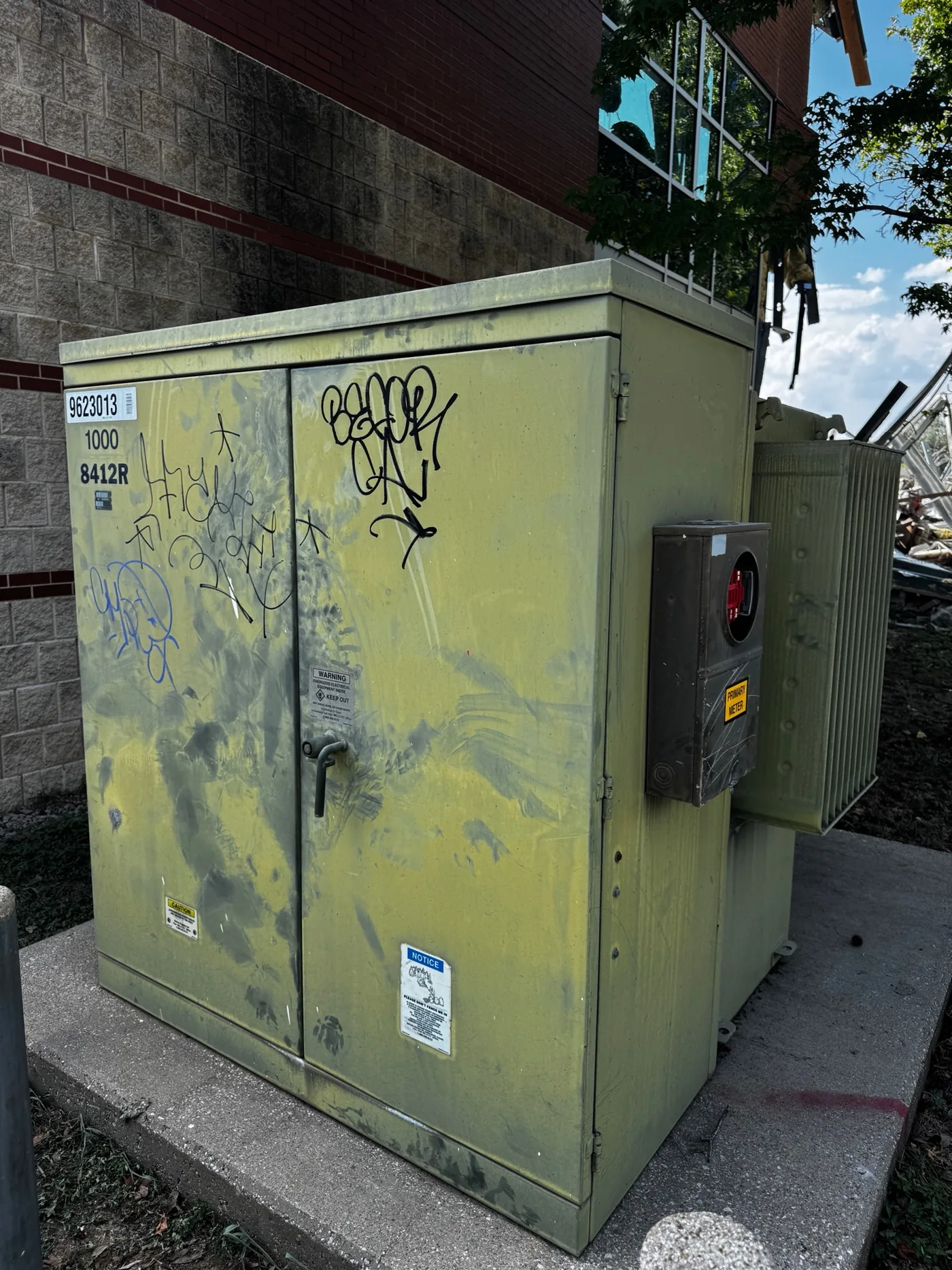
Sell used, surplus and scrap electrical transformers
Transformer Buyers in Hawaii
Have electrical transformers to sell in Hawaii? Recycling Transformers evaluates surplus, used, failed and scrap units for purchase and recycling. Send the nameplate, photos, quantity and pickup ZIP. We review the equipment and loading requirements before confirming an offer or pickup plan.
- Single units and multi-unit inventory
- Pad-mount, dry-type, power and pole-mount
- Purchase and pickup evaluated together
Tell us the locationPickup ZIP, access and release timing
Review the next stepPurchase, recycling and collection options
Before you sell
What affects a transformer offer in Hawaii?
The complete equipment and collection cost matter—not just the weight of the enclosure.
Ratings and reuse
Send kVA or MVA, primary and secondary voltage, phase and manufacturer. Matching a unit to demand may create value beyond its scrap materials.
Condition and completeness
Identify new surplus, removed-working, failed or damaged equipment. Include missing parts and available test history without guessing at operating condition.
Fluid and records
Tell us whether the unit is dry-type or liquid-filled. Provide existing oil and PCB records; unknown status is a fact to clarify, not something to hide.
Loading and freight
Provide the Hawaii ZIP, dimensions or weight if known, and site-access photos. Quantity, distance and lifting requirements influence collection feasibility.
Authentic transformer equipment
The equipment details a buyer needs to see
These owner-supplied photographs show complete transformers and visible equipment condition. For your Hawaii inquiry, send your own full-unit and nameplate photos. The gallery illustrates equipment types, not a local yard or a claim that these units were collected in Hawaii.
Send your transformer photos


Sell used, surplus and scrap transformers in Hawaii
Recycling Transformers evaluates electrical transformers from contractors, industrial facilities, utilities, property owners and equipment dealers in Hawaii. Purchase inquiries can include new surplus inventory, removed-working units, inactive spares and failed equipment. Pad-mounted, pole-mounted, dry-type, power and substation transformers need different evaluations, so identify the equipment rather than treating every unit as mixed scrap. A complete transformer may have reuse or component value as well as recoverable metal. Tell us whether you are selling one unit, clearing a storage yard or releasing equipment from a larger project. The review considers both the asset and what it will take to collect it.
Start with a readable nameplate photo and two or three photographs of the complete transformer. Include quantity, known condition and the Hawaii pickup ZIP. If available, share manufacturer, kVA or MVA rating, primary and secondary voltage, phase, dimensions, weight and existing test records. For liquid-filled units, include known fluid information and PCB documentation; use “unknown” where records are missing. Describe whether the unit is disconnected, who owns it and whether loading equipment is available. You do not need to have every technical answer before contacting us. Existing photographs and records are enough to begin a conversation without opening or moving equipment.
Island freight changes the Hawaii decision context
Hawaii’s logistics context is distinct from a contiguous-state transaction. The Hawaii Department of Transportation (HDOT) Statewide Freight Plan describes an interconnected network between the mainland, abroad, and the islands; it says most goods arrive at Honolulu Harbor and are distributed through interisland short-sea and air cargo systems. The plan identifies nine active commercial harbors and nine commercial airports serving freight. For a transformer project, those state facts are reasons to evaluate origin island, possible interisland transfer, destination pathway, equipment dimensions, and timing as project variables—not reasons to promise a route, a carrier, or a pickup date.
HDOT also notes that incoming and outgoing neighbor-island barge shipments may be received on certain days and times, while limited road connectivity, truck congestion, and port or airport connections affect freight reliability. The agency identifies high-truck-volume corridors around Honolulu, Hilo, Kahului, and Kauaʻi locations. Accordingly, a Hawaii review may consider the access description supplied by the owner, the equipment’s place in a facility or yard, scheduling windows, and whether marine or ground coordination could be needed. Availability, carrier acceptance, site conditions, permissions, and cost must be assessed individually; statewide review does not mean universal coverage or guaranteed transportation.
Information that helps assess a transformer recycling inquiry
A well-documented inquiry helps separate equipment value questions from logistics and environmental questions. Please share records already in your possession, such as a manufacturer data sheet, existing nameplate image, maintenance or test history, prior fluid documentation if any, visible condition notes, and a general location by island and community. A concise description of whether the unit is spare, surplus, damaged, in service, or already out of service can be useful. If access is controlled, identify that condition at a high level. Do not open, drain, sample, disconnect, climb on, rig, or move equipment to prepare an inquiry; safe work and access decisions belong with the owner’s qualified personnel and applicable parties.
For oil-filled equipment, the absence of records is itself a review factor, not proof of a particular status. The current federal PCB rules use specific concentration assumptions for certain transformers when concentration, manufacturing date, or fluid type is not established. That makes existing nameplate, manufacture-date, fluid, and testing records especially relevant to a preliminary discussion. RecyclingTransformers.com does not classify equipment, provide environmental or legal advice, or direct sampling. Where the available record is incomplete, the project may require further assessment by appropriately qualified parties before any commercial or logistics path can be evaluated.
- Manufacturer, model, serial number, rating, and existing nameplate images
- Island, general site setting, and owner-supplied access or scheduling constraints
- Whether the unit is energized, in service, damaged, stored, or known to be out of service
Environmental and safety context for oil-filled transformers
Hawaii’s Department of Health states that its hazardous-waste rules and guidebooks became effective July 7, 2025, and that Hawaii administers an authorized EPA hazardous-waste program. Federal PCB requirements under 40 CFR Part 761 separately govern PCBs. The regulation defines a PCB Transformer as one containing at least 500 ppm PCBs and specifies assumptions for equipment with unknown dates, fluid types, or concentrations. Those rules are technical and fact-dependent. They should not be reduced to a resale label or a generic recycling claim, and this page is not a legal or regulatory determination for any Hawaii asset.
Site safety remains primary. Hawaiian Electric advises people to keep away from pad-mounted transformers, never touch, climb, open, or tamper with them unless qualified, and keep clear of oil leaks. Its guidance notes that transformer oil can be flammable and may pose a fire or health hazard. If there is an active leak, damage, abnormal condition, utility ownership question, or uncertainty about electrical status, do not treat a buyer inquiry as an operating instruction. The appropriate utility, facility safety process, or qualified professional should address the condition. A project review can only use information safely and lawfully provided; it does not authorize work on equipment.
Request a transformer purchase evaluation in Hawaii
Include the actual equipment location when requesting a Hawaii evaluation. Regional references in this guide include Honolulu–Pearl City–Waipahu, Oʻahu, Kahului–Wailuku, Maui, Hilo, Hawaiʻi Island, Kailua-Kona, Hawaiʻi Island, Līhuʻe–Kapaʻa, Kauaʻi, Kaunakakai, Molokaʻi. The pickup ZIP and access details are more useful than a city name alone. A facility yard, basement, equipment vault or substation can require very different loading arrangements. Tell us whether a gate, doorway, overhead obstruction or soft ground limits access, and provide documented dimensions and weight when available. For units still in service, include the expected release window and the authorized site contact. These facts let equipment value and collection requirements be considered together before a transaction is confirmed.
Call Recycling Transformers or send your equipment details through the simple inquiry form. For a single transformer, share your contact number, the Hawaii pickup ZIP and available photographs. For a lot, number each unit and match its nameplate image to the inventory list. We review rating, condition, reuse or recovery potential, fluid records and collection requirements. Any offer should identify the equipment included, inspection conditions, payment terms, loading responsibility and freight arrangements before release. Purchase and pickup depend on that confirmed scope. Keep the transformer intact and let qualified electrical, environmental and lifting professionals handle any work the site requires.
Sell your electrical equipment
All transformer buyer information Get buyer information for your transformer type

Pad-mounted transformer buyers
Cabinet condition, voltage, fluid records and pickup from the equipment pad.
See what to sendDry-type transformer buyers
Nameplate ratings, condition, enclosure and indoor loading access.
See what to send
Scrap transformer buyers
Failed units, intact equipment, recoverable materials and collection costs.
See what to sendOfficial references
Hawaii environmental and transport resources
These sources explain the state-specific context below. Qualified professionals should confirm requirements for the actual equipment and site.
Hawaii Department of Transportation — Hawaii Statewide Freight Plan Executive SummaryOfficial statewide source for interisland freight structure, commercial harbor and airport context, truck corridors, and schedule or connectivity considerations.Hawaii Department of Health — Hazardous Waste RulesOfficial source for Hawaii hazardous-waste rule status, guidebooks, and the state’s authorized hazardous-waste program context.Electronic Code of Federal Regulations — 40 CFR Part 761, Polychlorinated BiphenylsCurrent federal PCB definitions, concentration assumptions, use conditions, and disposal requirements relevant to transformer records.Hawaiian Electric — Transformer Safety TipsHawaii utility safety guidance on pad-mounted transformer access, distance, oil leaks, and unauthorized tampering.
Seller questions
Before selling a transformer in Hawaii
Start with existing photographs and records. Do not open, drain, disconnect or move equipment just to obtain a quote.
Can I sell used or scrap transformers in Hawaii?
Send used, surplus, failed or scrap electrical transformers for a purchase evaluation. Include nameplate photos, quantity, condition and pickup ZIP. We compare reuse or recovery potential with fluid records and loading requirements, then discuss purchase and collection options for equipment that qualifies.
Can a transformer be reviewed if its PCB status is unknown?
It can be discussed using records already available, but unknown status may limit what can be evaluated. Federal PCB rules contain assumptions based on matters such as manufacture date, fluid type, and established concentration. We do not make a legal classification, diagnose a transformer, or instruct anyone to take a sample. Existing nameplate, maintenance, fluid, and testing records are the appropriate starting point for a preliminary project review.
Why does the island location matter for transformer recycling in Hawaii?
HDOT describes Hawaii freight as a connected system of harbor, air, and ground transportation, with Honolulu Harbor serving as the central statewide maritime hub and neighbor-island barge timing subject to operating schedules. For a particular project, the origin island, equipment size, declared site conditions, and any potential interisland transfer may affect feasibility and timing. These are review considerations, not a promise that transport or pickup can be arranged.
What should I send for a transformer buyer review?
Send existing documents and safely obtained images you are authorized to share: manufacturer, model, serial number, rating, visible nameplate, island and general site setting, current service status, condition notes, and any existing fluid or maintenance records. Do not alter or access the unit to create information. Hawaiian Electric advises that pad-mounted transformers should be accessed only by trained and authorized personnel, and a damaged or leaking unit calls for the appropriate safety response rather than a sales-preparation step.
Nationwide transformer buyers
View all 50 states and DC Choose another equipment location
Start with the facts
Have transformers to sell in Hawaii?
Send your name, phone number, pickup ZIP and available photos. We will review purchase, recycling and collection options for your equipment.